


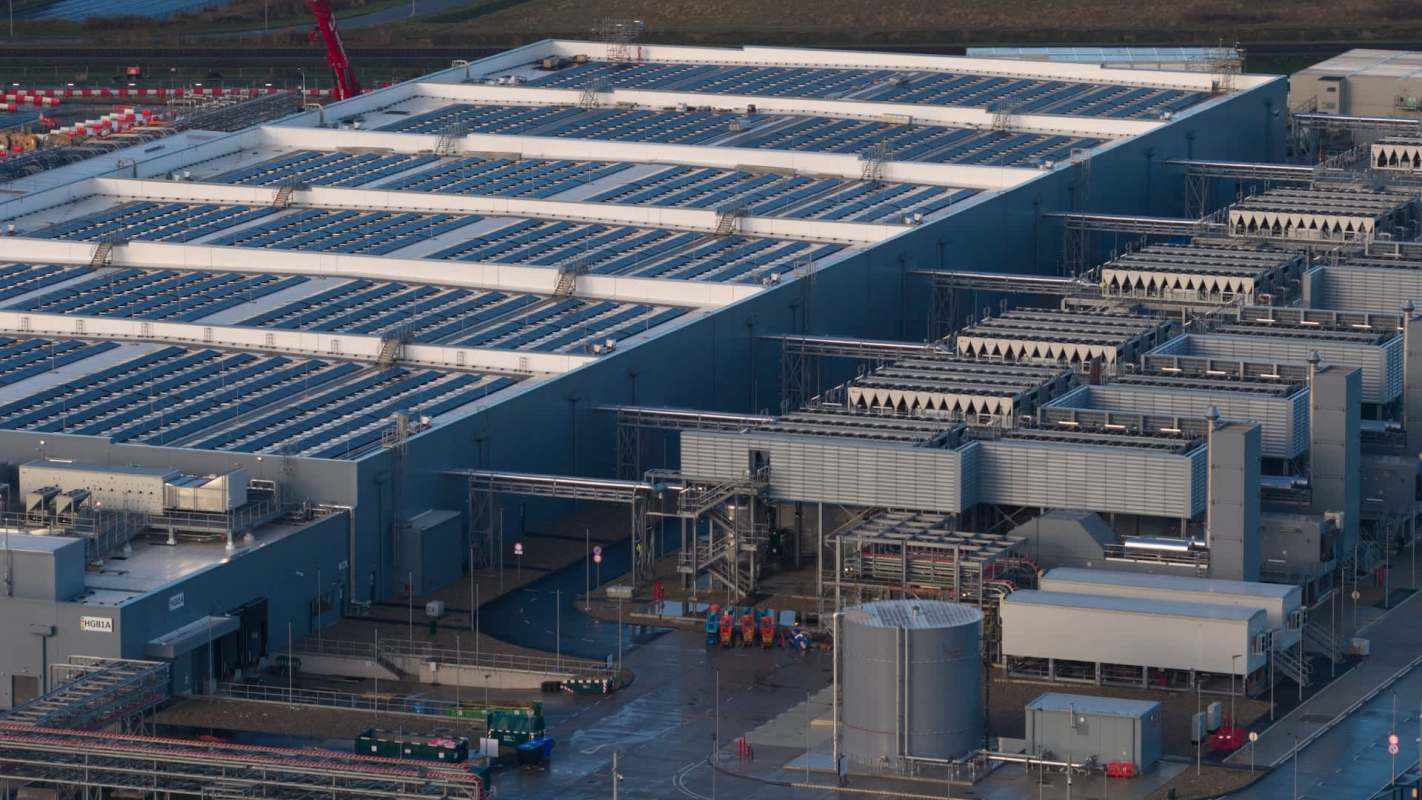
A proposal in New Orleans could open the door to the development of smaller data centers in the city, as opposition to the often larger facilities keeps building nationwide.
What's happening?
Citing a draft staff document, Gambit Weekly reported that the New Orleans City Planning Commission is expected to ask the City Council to approve rules that would allow for data center development as long as the facilities stay under 100,000 square feet. According to the local outlet, however, the plan does not "appear to include a cap on the total number of data centers that could be operated in the city or on a block."
The proposal comes amid a growing national fight over data center development. Communities around the country have raised concerns about the huge amounts of land, electricity, and water these facilities can use.
New Orleans city planners may hope that the stark size difference between typical data centers and the cap that they're proposing helps to quell that conflict.
Meta's Richland Parish data center covers about 4 million square feet — this dwarfs what could be the commission's proposed cap, which Gambit Weekly described as "slightly less than two football fields." However, smaller data centers — particularly if there is no limit on the number of such facilities in a given area — may still impact local communities and habitats.
Much of the push for more data center development across the country appears to track back to the rapid boom in artificial intelligence. Companies and investors are ostensibly looking to build more and more of the facilities to power AI operations.
TCD Picks » Quince Spotlight
💡These best-sellers from Quince deliver affordable, sustainable luxury for all




Why does this matter?
Data centers can draw heavily on local lands, energy grids, and water systems. In some communities, facilities with on-site power generation have also raised serious pollution concerns, according to Gambit Weekly.
Rising electricity prices are one of the most immediate worries for many residents. In some parts of the U.S., rates have climbed after power-hungry data centers came online and started competing for energy supplies already under strain.
Families in New Orleans already face high housing and living costs, and any added pressure on monthly bills could make everyday life even harder. A policy that opens the door to resource-intensive development without sufficiently strong safeguards could slow the city's progress toward cleaner, healthier, and more affordable neighborhoods.
What's being done?
According to late July reporting from Gambit Weekly, "The commission is likely to approve the plan in the coming weeks, and the council would then have to approve it before any new rules would go into effect."
Residents and advocates can still push for stronger guardrails before data centers become more common in the city. Questions about energy demand, water use, pollution, and where facilities get built remain unresolved as officials weigh how to avoid the problems other communities have faced.
City Council President JP Morrell has voiced doubts about data centers in the past, the local outlet reported.
"We want to make it clear to all parties that until we figure out what the hell a data center is in the law, because we have to define it for the city to take a position on it, we are clearly stating that ... under whatever definition you put out there, data centers are not permitted," he said in January, when the council passed a temporary ban on new data centers.

Get TCD's free newsletters for easy tips, smart advice, and a chance to earn $5,000 toward home upgrades. To see more stories like this one, change your Google preferences here.






