


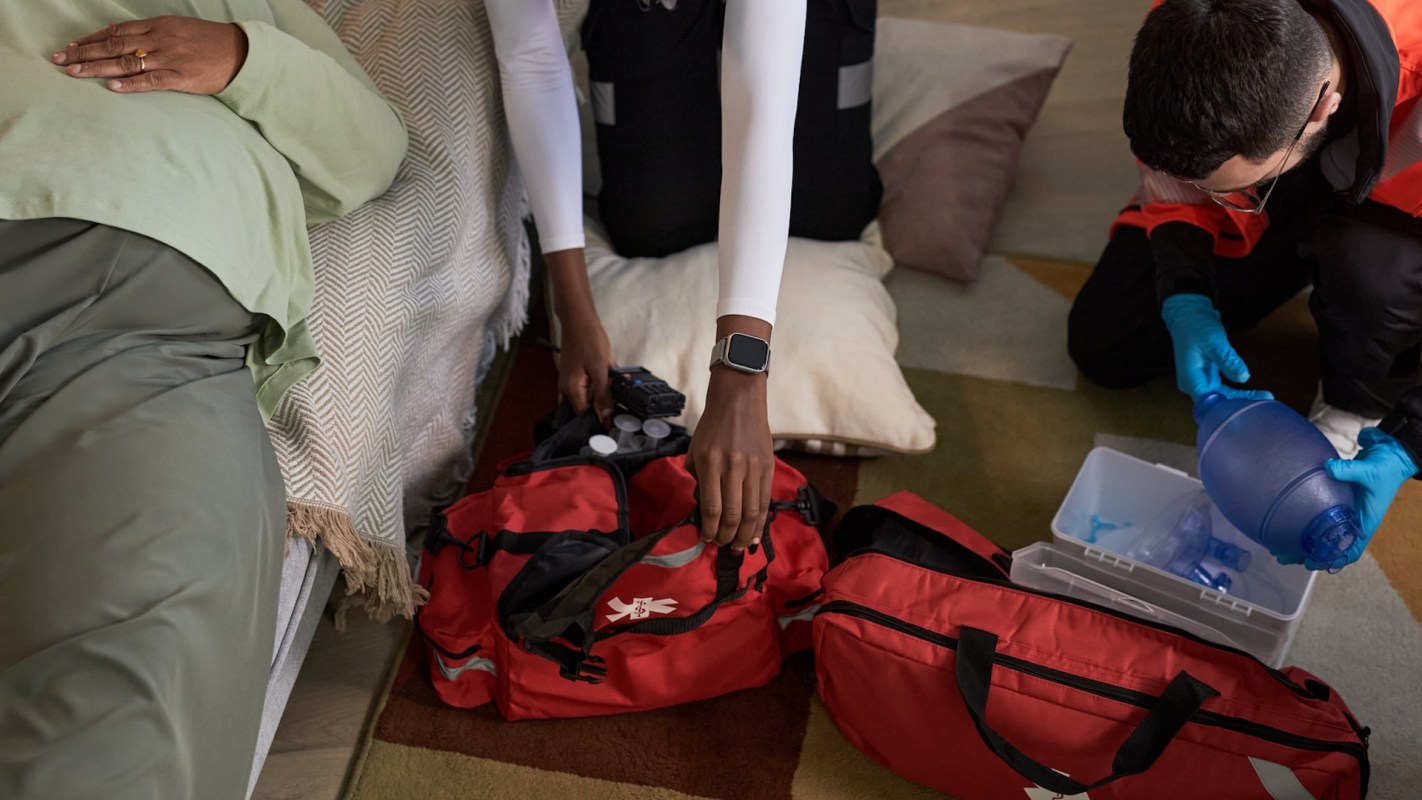
New Jersey authorities are linking at least 25 suspected deaths to the intense heat that gripped much of the eastern United States over Fourth of July weekend.
Those deaths were reported as East Coast cities posted record or near-record highs, and severe thunderstorms compounded an already hazardous holiday weekend with outages and dangerous winds.
What happened?
Officials said they suspected heat-related deaths in New Jersey as early as Thursday, with most of the cases concentrated in central and northern parts of the state, according to ABC News. By Monday, the number of suspected heat-related deaths grew to 29, according to NJ.com.
At a Saturday news conference, New Jersey Health Commissioner Dr. Raynard Washington said, per ABC News, "Unfortunately, many of these individuals were found in homes without air conditioning. A few were outside their residences, some on the street and some even in parked cars."
Gov. Mikie Sherrill said storms beginning Friday night and continuing through the weekend left nearly 300,000 utility customers across New Jersey without power. Wind gusts as high as 80 mph knocked down trees and power lines.
Atlantic City was the "hottest city on the East Coast," according to ABC News, reaching 106 degrees Fahrenheit. But far beyond New Jersey, July 4 temperatures climbed into the upper 90s and above 100 in some regions. Washington, D.C., and Raleigh, North Carolina, each hit 103, and at least a dozen cities tied or broke daily heat records.
TCD Picks » Quince Spotlight
💡These best-sellers from Quince deliver affordable, sustainable luxury for all




In Illinois, officials also reported one weather-related death after a tree fell onto a camper trailer during high winds.
Why does it matter?
Hurricanes and tornadoes can sometimes overshadow extreme heat, but heat remains one of the deadliest weather threats. It can aggravate heart, lung, and kidney conditions while placing added strain on hospitals and emergency responders.
As Gov. Sherrill put it, per ABC News, "Extreme heat is the number one weather-related killer in America, and this is the hottest stretch we've seen in over 14 years."
The danger increases when multiple weather threats hit at once. Intense heat can keep people inside hot homes, raise utility bills, and put outdoor workers at risk. When storms then knock out electricity and bring down trees, there are compounding risks to public health, community safety, and local economies.
The back-to-back heat and storm pattern also disrupted holiday plans across the region.
Severe weather delayed fireworks displays and prompted officials to clear the National Mall in Washington, D.C., before President Donald Trump's Fourth of July speech. The event later resumed.
What's being done?
On Sunday, heat advisories remained in effect along much of the East Coast, from Jacksonville, Florida, to Philadelphia. "Feels-like" temperature forecasts reached the triple digits in some places.
Officials also warned that lingering heat could trigger more storms and localized flash flooding from parts of Virginia into north-central New Jersey, including Baltimore, Philadelphia, and Washington, D.C.
On Monday, Gov. Sherrill announced that the New Jersey Office of Emergency Management was responding to flooding and other storm-related damage.
"New Jersey Department of Transportation has opened its emergency operations center, and crews have been working across the State and are responding today to flooding, downed trees, and other weather-related impacts on the state highways, working closely with emergency management partners," the governor's announcement said. "Motorists are encouraged to use caution, avoid flooded roads, and report conditions to their local police department."
During heat waves, it's also important to follow heat advisories and seek out air-conditioned spaces when possible. Check on neighbors and relatives, avoid leaving anyone in parked cars, and monitor outage updates and storm alerts.

Get TCD's free newsletters for easy tips, smart advice, and a chance to earn $5,000 toward home upgrades. To see more stories like this one, change your Google preferences here.






