


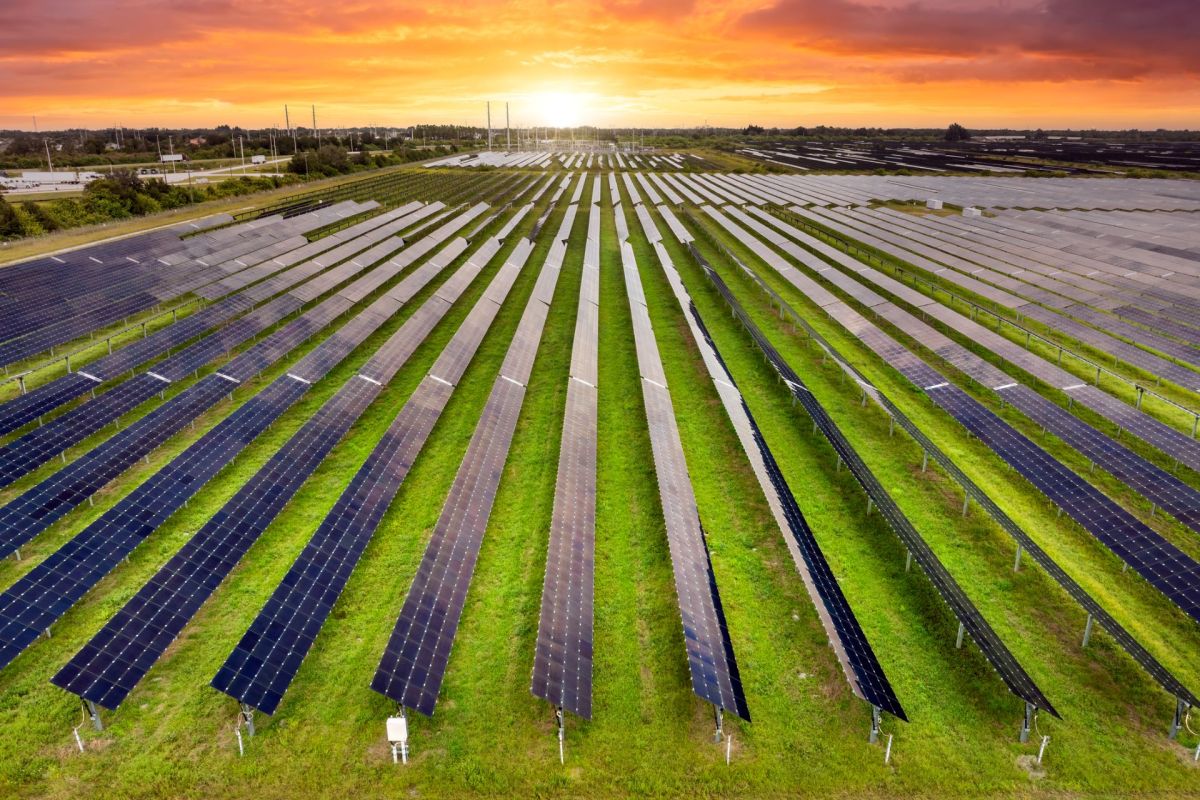
An old landfill in Derry, New Hampshire, is being put to work as a solar power site, a change the town expects will also help bring down electricity costs for residents.
By teaming up with Encore Renewable Energy, Derry has converted its capped municipal landfill into a solar installation, showing how land with few redevelopment options can still serve the community.
Here's what to know
According to Solar Builder, Derry held a ribbon-cutting for a 2.25-megawatt solar project built on its closed, capped landfill. Encore says the installation could save Derry taxpayers about $4 million in electricity costs over the next 25 years.
The array is expected to produce enough electricity to equal the usage of 500 homes in New Hampshire. Solar Builder also describes it as one of the largest solar projects in the Granite State, highlighting how places that are impractical for housing, agriculture, or commercial building can still be turned into something useful.
Lower municipal electricity costs can ease pressure on town budgets, while more solar power on the grid can help clean the air and reduce planet-warming pollution.
According to Solar Builder, Derry's NetZero Task Force — a group made up entirely of local volunteers — selected Encore after a bidding process that began in 2021 and included seven developers.
TCD Picks » Quince Spotlight
💡These best-sellers from Quince deliver affordable, sustainable luxury for all




More background
Although closed landfills can be costly and challenging to redevelop, they often work well for solar because the land is already cleared and usually not suitable for most other construction. That gives towns a way to use long-idle property productively without forcing out homes or businesses.
Chad Farrell, founder and president of Encore Renewable Energy, said the Derry property was a strong fit for solar because it has enough room, solid sun exposure, and access to grid infrastructure. He said projects like this can reduce costs for communities while also supporting climate goals.
Jeff Moulton, chair of the Derry NetZero Task Force, credited Josh Bourdon of the Derry Town Council, saying, "Under the leadership of Josh Bourdon, the Derry Town Council set forth an aggressive goal of being net zero by 2025 but with a caveat of saving money for the residents of Derry."
What's being done?
Beyond Derry, the same roundup pointed to four other projects: a community microgrid in Pescadero, California; a solar-plus-storage development in West Virginia involving MN8 Energy, Eos, and Google; a new solar installation for SUNY Oneonta in New York; and a large Texas project from OCI Energy and Arava Power.
Farrell said, "Landfills like this one are often untapped resources in the clean energy transition. The reality is that landfills such as this one in Derry offer cleared, unshaded land that can't be used for much else. This site checks every box: sufficient acreage, good sun exposure, and proximity to the electrical infrastructure needed to get that power where it's needed."
Where can I learn more?
Derry's project fits into a wider effort to turn hard-to-use land into local clean energy. Other towns are doing the same on former landfill and brownfield sites, and community solar programs are giving residents another path to lower electric bills.
• In Mansfield, Ohio, officials approved a solar farm on old landfills while seeking local power buyers.
• In Rivesville, West Virginia, utilities are turning a former coal ash landfill into a massive solar farm.
• In Massachusetts, community groups are showing how community solar can cut household electricity costs.
Each story highlights how land that was once written off can still produce clean power and real savings. And when solar is built close to home, the budget benefits can reach both local governments and residents.

Get TCD's free newsletters for easy tips, smart advice, and a chance to earn $5,000 toward home upgrades. To see more stories like this one, change your Google preferences here.






