New Hampshire's move to legalize 1,200-watt plug-in solar systems appears to be a major step forward for residents hoping to take a DIY approach to home energy.
However, for at least one resident, that excitement quickly gave way to concern over whether a certification rule could make this kind of solar adoption more difficult.
What happened?
In a Reddit post in r/SolarDIY, the original poster talked about New Hampshire's decision to allow balcony solar.
The OP wrote, "At some point, the New Hampshire State Building Code Review Board will require UL 3700… requir[ing] certification of the whole system. Meaning the panels, microinverter, wall plug (potentially batteries and solar charge controller) need to be verified to work together. That basically means you are forced to buy approved kits (at a likely significant markup)."
They wondered if their plan to build their own small solar system was worth it if there would be other roadblocks down the line.
For DIY users, that difference could be significant. Prepackaged kits may be more expensive and less adaptable than systems assembled from independently sourced parts, which could determine whether plug-in solar remains affordable enough to make sense.
Still, going solar is one of the best ways to save money on home energy, especially when you can compare your options before committing. Anyone considering a larger home setup can explore EnergySage's free tools to get quick solar installation estimates and compare quotes for free.
Why is this worth some attention?
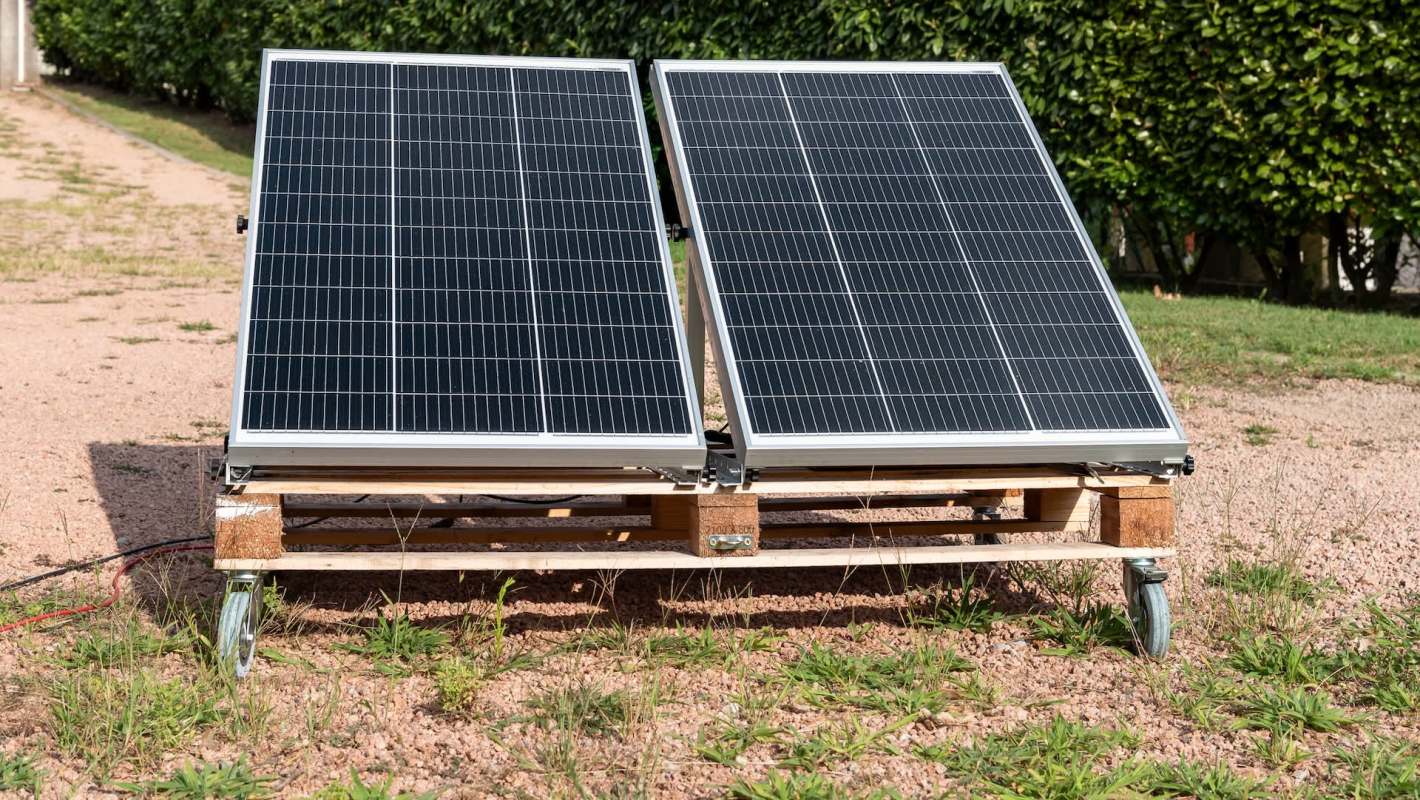
Part of the appeal of plug-in solar is that it can offer a simpler starting point for households that want to produce some of their own electricity. A 1,200-watt system is far smaller than a typical rooftop array, but it can still cut utility costs and give people more direct control over their energy use.
Save $10,000 on solar panels without even sharing your phone number Want to go solar but not sure who to trust? EnergySage has your back with free and transparent quotes from fully vetted providers that can help you save as much as $10k on installation. To get started, just answer a few questions about your home — no phone number required. Within a day or two, EnergySage will email you the best local options for your needs, and their expert advisers can help you compare quotes and pick a winner. |

That lower-cost entry point could shrink if the rules end up favoring only complete and marked-up kits. Many DIY users would prefer to reduce expenses by selecting compatible parts on their own and adjusting a system to fit their space, budget, and electricity needs.
In other words, legalizing plug-in solar is only part of the story. Safety standards, permitting rules, and equipment certification may ultimately decide how accessible the technology really is.
These systems are garnering widespread appeal as a solar panel alternative without committing to a full rooftop installation. As Bright Saver has reported, several states across the country are pursuing similar legalization efforts. Bright Saver has a map tool that shows the status of balcony solar legislation in each state.

Get TCD's free newsletters for easy tips, smart advice, and a chance to earn $5,000 toward home upgrades. To see more stories like this one, change your Google preferences here.
More From EnergySage
💡Go deep on the latest news and trends shaping the residential solar landscape