


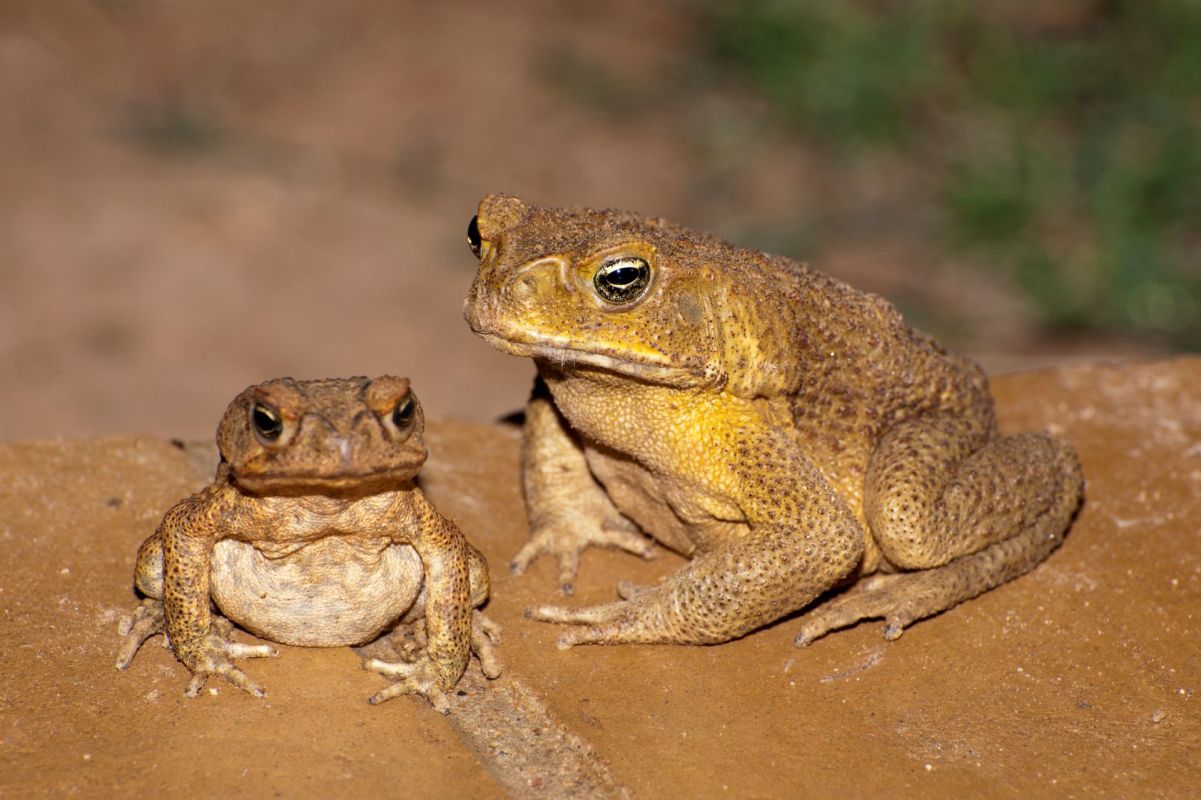
For decades, Australia has tried to rein in cane toads by investing in disease-focused research, fungal approaches, scent-based traps, and government-led response efforts.
Even so, some of the strongest signs of resistance may be coming from native animals that are adapting on their own.
What happened?
Australia's fight with cane toads dates back to 1950, and the infestation remains enormous.
In a video essay from Nature Recode (@naturerecode), the current population is estimated at roughly 200 million across northern Australia.
Nature Recode described a 2014 finding at a Kimberley creek where a researcher repeatedly came across cane toad carcasses in the same area. The bodies reportedly showed the same pattern each time: a chest incision, the heart and liver missing, and the toxic gallbladder left alone.
As Nature Recode put it, "Something had figured out how to eat a poisonous toad without dying."
TCD Picks » Quince Spotlight
💡These best-sellers from Quince deliver affordable, sustainable luxury for all




One of those animals was the rakali, Australia's native water rat, which reportedly developed a precise way to open the toads and remove edible organs while avoiding the gallbladder in under two years.
The video also said black kites learned to flip the toads over before eating them, and that meat ants can kill up to 97% of newly metamorphosed toads along pond edges.
Why does it matter?
Cane toads are one of Australia's most notorious invasive species for a reason. They spread aggressively and can poison animals that try to eat them. That makes them a threat not only to wildlife but also to the health of ecosystems that nearby communities depend on.
Native species can sometimes adapt faster than expected, creating a form of homegrown biological control that may help limit damage and protect biodiversity.
One commenter on the video described just how dramatic the shift has felt over time: "As a child in the 70s I witnessed the cane toads arrive and they were everywhere at night."
The cane toad problem has not been solved. The invasion remains widespread, and success by local predators is not the same as complete eradication across the continent.
What's being done?
Conservation efforts do not always need to start from scratch. When native predators are already finding effective ways to control an invasive species, researchers and land managers can study those behaviors and identify ways to protect the habitats that support them.
That could mean paying closer attention to pond margins, wetlands, and riparian areas where species such as rakali and meat ants interact with young toads.
Even if these wildlife adaptations were not created by government programs, scientific monitoring remains essential to understand what is working.
"Three animals. Zero dollars spent. Working solutions the government never found," Nature Recode said.
For one commenter, the change has been tangible: "The image and smell of roads covered in squashed toads is now a distant memory."

Get TCD's free newsletters for easy tips, smart advice, and a chance to earn $5,000 toward home upgrades. To see more stories like this one, change your Google preferences here.







