


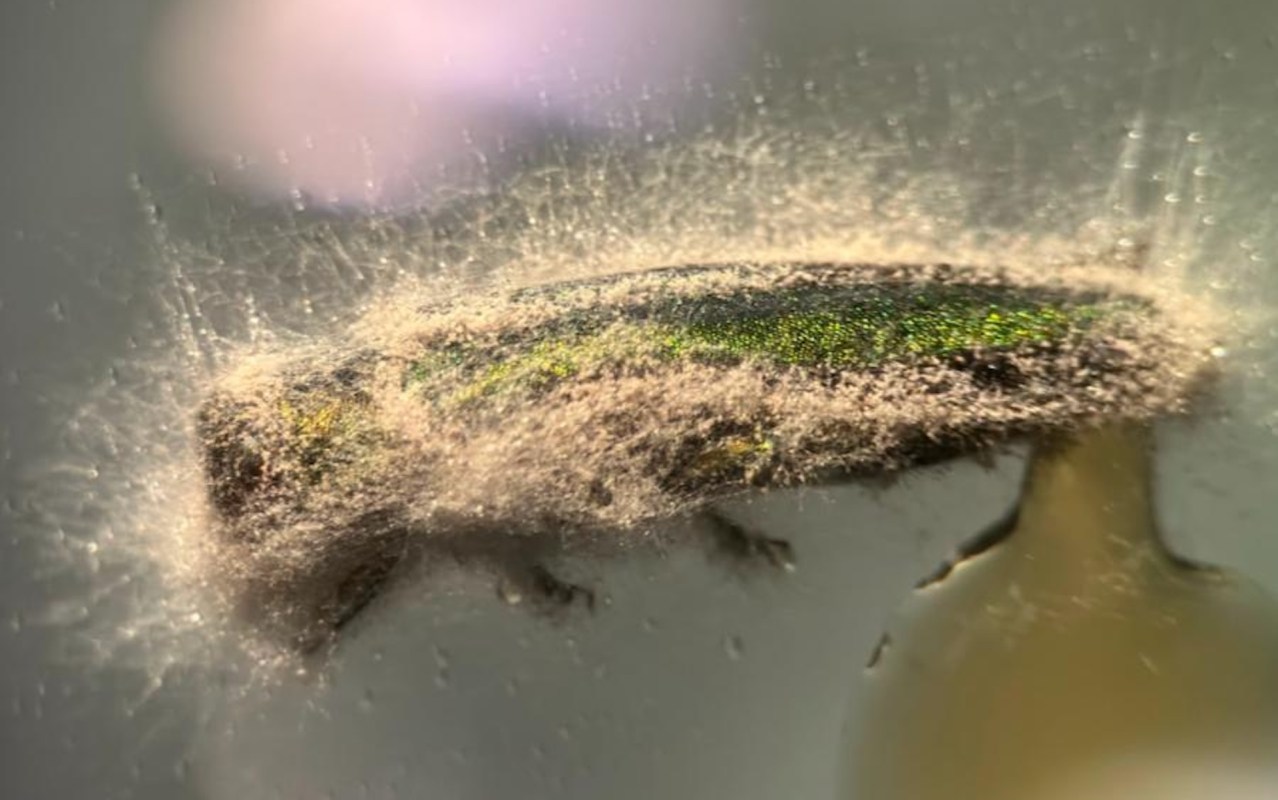
Native fungi already present in Minnesota are emerging as a possible weapon against the emerald ash borer beetle, a pest that has devastated ash trees across North America.
If the approach succeeds, isolated ash marshes that are difficult to spray or treat one tree at a time could gain a more practical form of protection, with benefits for forests and the communities tied to them.
What's happening?
In a recent Reddit thread, users discussed a University of Minnesota study testing whether parasitic fungi from Minnesota can kill the emerald ash borer, the invasive beetle behind widespread ash loss across the continent.
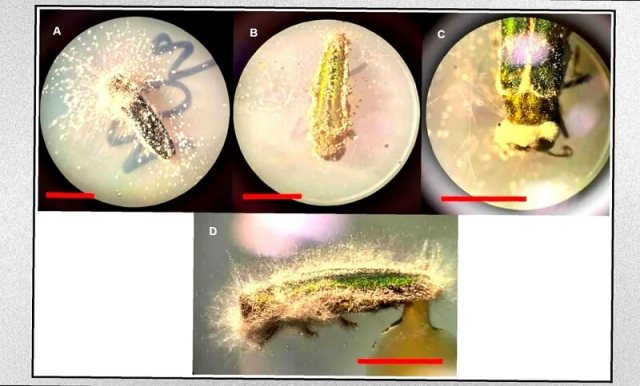
That question is especially important in ash marshes and other wetlands, where standard treatments can be expensive, labor-intensive, or simply not feasible.
In those environments, researchers are seeking tools that can operate over larger areas rather than requiring crews to reach trees individually.
The post drew attention with the idea of "killer fungi," and the comment section quickly turned to the mechanics of the research and the risks that often accompany biological control.
TCD Picks » Quince Spotlight
💡These best-sellers from Quince deliver affordable, sustainable luxury for all




A central point in that discussion was the researchers' choice to use fungi native to Minnesota rather than introduce another organism that might become an ecological problem of its own.
Why does it matter?
The harm caused by the emerald ash borer reaches far beyond forestry management.
As ash trees disappear, both urban and rural communities can lose shade, wildlife habitat, and part of their natural water regulation, while homeowners and local governments face high costs for removal and replacement.
Those impacts can be even more severe in remote wetlands, where native ash species have an especially important ecological role.
When those trees are lost, entire landscapes can change, from the amount of cover available to wildlife to the way water moves through forest systems.
If it proves effective in the field, it could give land managers an option better suited to those ecosystems instead of forcing a one-size-fits-all treatment into places where it does not work well.
The Reddit discussion also showed broader public unease about invasive-species fixes that rely on living organisms.
One commenter summed up that tension with a blunt question: "What could go wrong."
Scientists have to weigh that concern carefully whenever a proposed solution involves living organisms.
What's being done?
The project is focused on fungi that already exist in Minnesota.
That approach reduces the risk of repeating past cases in which an attempted fix created an additional invasive problem.
Researchers are examining whether these native fungi could become a usable management option for hard-to-reach ash stands, particularly marshlands where other methods are limited.
It is not a silver bullet, but it could become another layer in a broader strategy to slow the damage and buy time for restoration.
"With a billion ash trees in Minnesota, we need to explore all possible methods to try and control this devastating pest," said co-author Robert Blanchette, a professor in the College of Food, Agricultural and Natural Resource Sciences. "Laboratory studies show that biological control of the beetle using fungi is possible and the next step is to figure out how to get this to work under field conditions."

Get TCD's free newsletters for easy tips, smart advice, and a chance to earn $5,000 toward home upgrades. To see more stories like this one, change your Google preferences here.






