


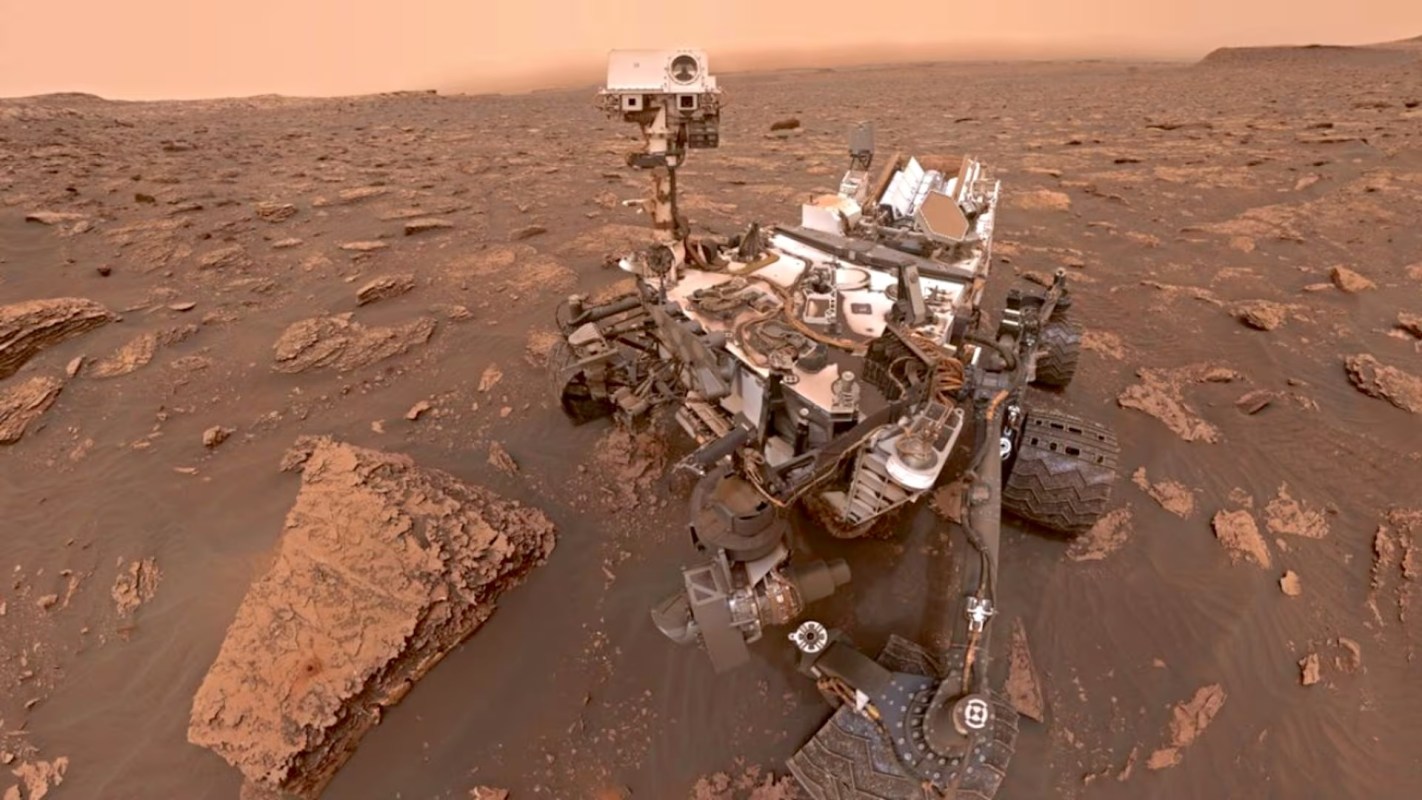
A record-setting trove of complex organic molecules identified by NASA's Perseverance rover is giving scientists another clue that ancient Mars may once have offered conditions suitable for life.
The finding is not proof that anything ever lived there, but it does give scientists another reason to keep probing Mars' ancient history.
What happened?
According to AS USA, the mudstones Perseverance has been studying in Jezero Crater since 2021 contain macromolecular carbon, a complex, carbon-rich material that, on Earth, is central to all known life.
In the study published in Science, researchers described numerous organic-carbon signals from two Martian mudstones. They said the result marks the strongest organic detection yet in Jezero Crater and the first confirmed detection of macromolecular carbon on an unaltered Martian rock surface.
The discovery was made near Bright Angel, a rocky outcrop where Perseverance had already found clay, carbonate, and sulfate minerals — materials that on Earth are known for preserving fossils. The broader area also includes the Cheyava Falls sample, which NASA has described as one of its strongest potential biosignatures.
Still, scientists are being careful not to overstate the finding. Carbon can be produced by living organisms, but it can also form through non-biological chemistry, including abiotic reactions tied to water or material delivered by meteorites.
TCD Picks » Quince Spotlight
💡These best-sellers from Quince deliver affordable, sustainable luxury for all




Why does it matter?
Mars was once far wetter than it is today. Billions of years ago, rivers likely flowed into Jezero Crater and formed a lake, where mud and sediment built up before eventually turning to stone. If organic material was present at the time, those rocks may have preserved it.
Perseverance is searching not only for life itself but also for signs that Mars once had a habitable environment, AS USA reported. Carbon-rich material in places where water once existed points to some of the ingredients needed for life.
Instruments such as SHERLOC map organic and chemical compounds in rock, allowing scientists to analyze harsh environments without direct human contact.
Researchers also compared the Jezero findings with readings from Curiosity in Gale Crater, roughly 2,300 miles away. The similarities hint that organic carbon — along with water that may have transported it — could once have been broadly distributed across Mars.
What's being done?
Perseverance is continuing its work on the Martian surface, drilling, scanning, and caching samples that could one day help answer the question more clearly. AS USA reported that scientists said the compounds appear to have experienced relatively little weathering and may have remained shielded inside rock for billions of years before being exposed.
The biggest next step would be to return those samples to Earth, where far more powerful lab equipment could determine exactly how the molecules formed. That plan, however, remains uncertain. NASA and the European Space Agency had hoped to bring Perseverance's samples back in the 2030s, but the project was labeled financially unsustainable in the Trump administration's proposed 2026 budget and is now widely considered defunct.
China's Tianwen-3 mission could become the first to return Martian rocks, though it would target a region considered less promising than Jezero Crater.
Each new rover discovery adds context for future missions and helps scientists determine where to search next for the strongest evidence of ancient life.

Get TCD's free newsletters for easy tips, smart advice, and a chance to earn $5,000 toward home upgrades. To see more stories like this one, change your Google preferences here.






