


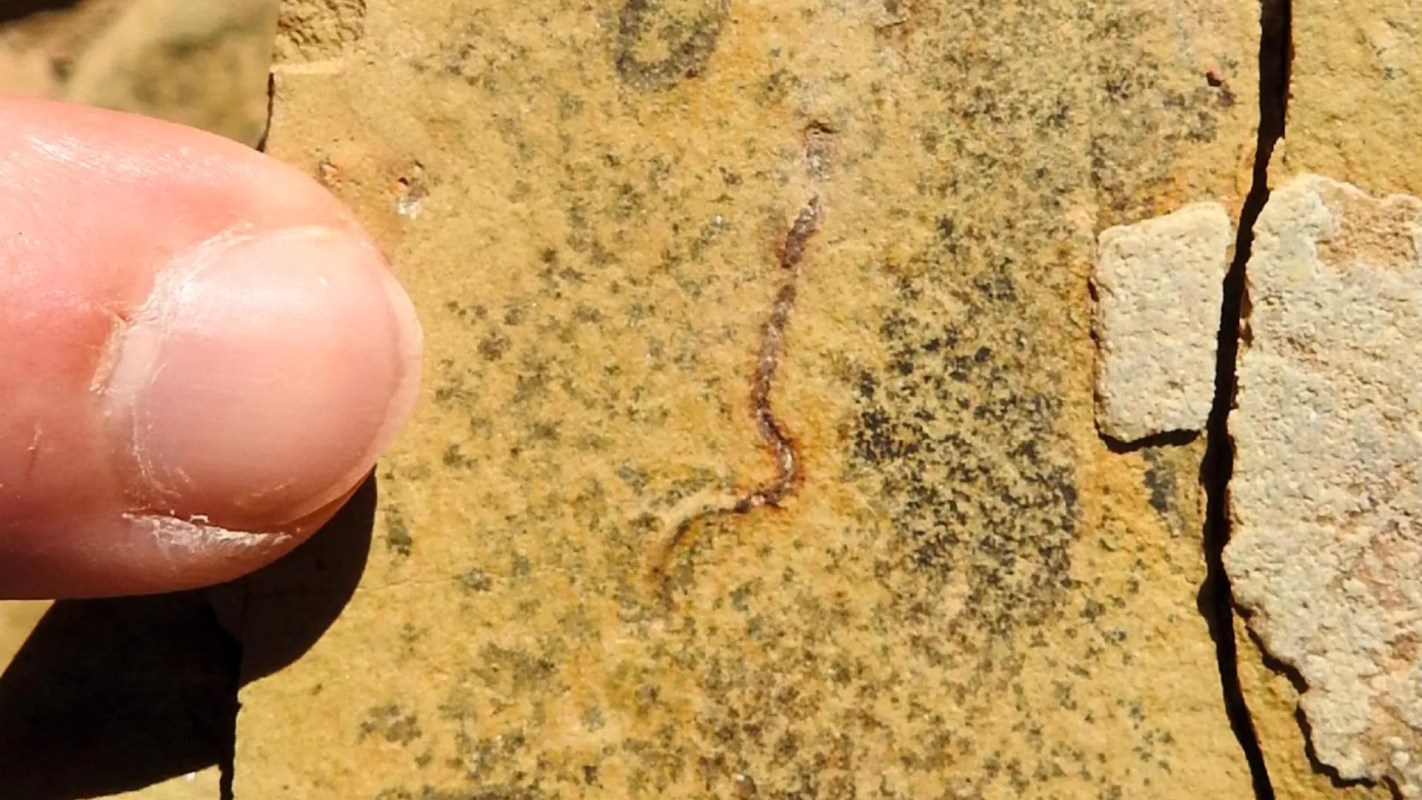
Scientists say they may have found an important clue to the early history of animal life on Earth.
In rocks from the Tamengo Formation in the Brazilian state of Mato Grosso do Sul, features once read as tiny animal trails now look more like preserved clusters of bacteria and algae. The team of researchers studying Ediacaran microfossils from Brazil published their findings in the journal Gondwana Research.
The study used high-resolution imaging and chemical analysis to reexamine fossils from the period just before the Cambrian explosion, the evolutionary surge that helped complex life spread through Earth's oceans.
The fossils examined are extremely small and about 540 million years old. They were preserved in ancient seafloor sediments in what is now Brazil.
For years, some researchers have proposed that certain markings in these rocks recorded the activity of tiny wormlike animals or other meiofauna, invertebrates smaller than a millimeter, already moving through marine sediment during the Ediacaran period.
This new study argues otherwise. According to the researchers, the structures are not animal traces at all, but the preserved remains of microorganisms, including possible cyanobacteria, sulfur-oxidizing bacteria, and algae.
TCD Picks » Quince Spotlight
💡These best-sellers from Quince deliver affordable, sustainable luxury for all




The team reexamined fossils from Corumbá and analyzed new material from Bonito, both in Mato Grosso do Sul. What they found were cellular features that point far more strongly to microbial life than to animals.
The Ediacaran period came before oxygen levels rose enough to support the broader diversification of complex animals. If these Brazilian fossils represent microbial communities rather than early meiofauna, that supports the idea that some marine environments at the time were still dominated by microorganisms.
These findings could change the timeline scientists use for the appearance of small animals on Earth, and the study suggests that some earlier claims for pre-Cambrian animal life may need to be revisited.
As first author Bruno Becker-Kerber said, "Using microtomography and spectroscopy techniques, we observed that the microfossils have cellular structures — sometimes with preserved organic material — consistent with bacteria or algae that existed during that period. These aren't traces of animals that may have passed through the area."
The team used the MOGNO beamline at Sirius, a particle accelerator facility in Campinas operated by the Brazilian Center for Research in Energy and Materials. That gave researchers a way to look inside tiny fossils without destroying them and to zoom in on internal features at extremely small scales.
That level of detail matters because earlier studies did not have access to the same tools. According to the researchers, the new imaging made it possible to separate genuine cellular structures from shapes that might otherwise resemble animal-made traces.
In other words, the fossils themselves did not change — the scientists' ability to interpret them did.

Get TCD's free newsletters for easy tips, smart advice, and a chance to earn $5,000 toward home upgrades. To see more stories like this one, change your Google preferences here.






