


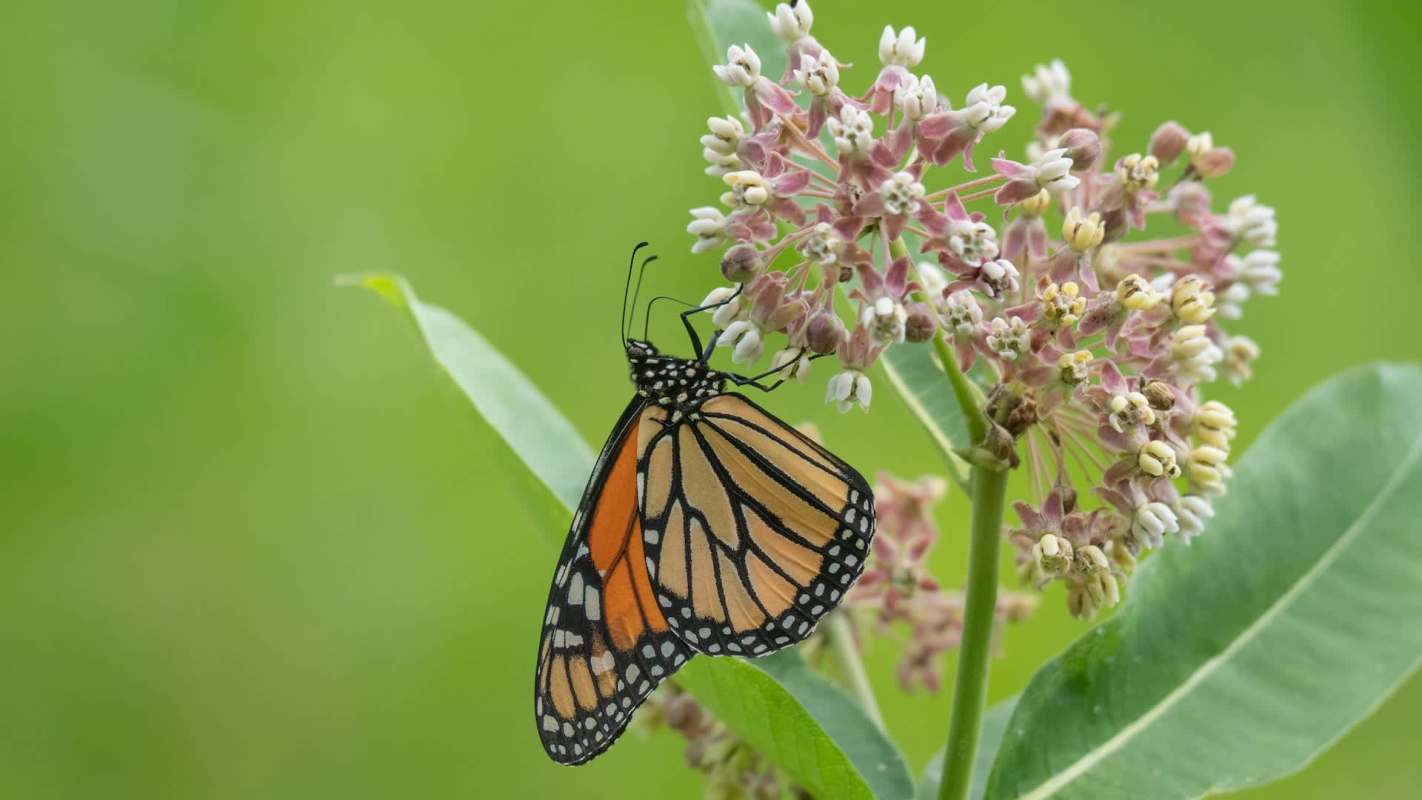
Orono resident Lee Davis usually measures June in monarch sightings: the butterflies stop at her milkweed patch each year after she let it spread for them.
This summer, that visit never happened, and the missing monarchs have added to wider worries about insect life in Maine.
What's happening?
The quiet in Davis' yard extended beyond monarchs. The Bangor Daily News reported that the milkweed tussock moths that normally crowd those plants were absent too, along with Japanese beetles and browntail moth caterpillars — insects some residents may be less upset to miss.
A single subdued summer yard is not enough to prove a larger trend, especially since Maine lacks the long-term insect records needed for firm conclusions. Still, naturalists say the sharp insect declines documented globally over the past several decades are an important backdrop to what people here are noticing.
Doug Hitchcox, a naturalist at Maine Audubon, said local evidence is still taking shape, though some trends are already becoming clear. Maine has seen declines in flowerflies, while butterfly diversity is shrinking, even though total butterfly numbers have stayed fairly level.
Roger Rittmaster, a master naturalist and insect photographer who lives in Camden, said he has "definitely" noticed fewer insects this year. At the same time, he cautioned that weather can change what people see from one season to the next and that the chilly winter and spring could have cut down some numbers.
TCD Picks » Quince Spotlight
💡These best-sellers from Quince deliver affordable, sustainable luxury for all




Why does it matter?
Insects are central to both pollination and the food web. They help crops and other plants reproduce, and they provide food for birds and other wildlife.
"Whether you care [about insects] or not on a species level, every living human should care if you want to keep living," Hitchcox said, according to the Bangor Daily News.
Evidence from the Maine Bird Atlas suggests the effects may already be reaching animals that depend on bugs. The state's recently published survey found declines of 60% or more in some insect-eating birds, including swallows, and Hitchcox said the pattern appeared across habitats, indicating that a reduced insect supply may be a major reason.
What can I do?
Naturalists say planting native species is one of the best ways to help. Compared with imported ornamentals, native plants usually support many more insects, offering pollinators and other bugs food and habitat close to home.
Rittmaster has spent over a decade making his Camden property more attractive to insects, and he has photographed more than 1,000 species there, the Bangor Daily News noted.
States including Maine have enacted or considered restrictions on neonicotinoids, a class of pesticides known to harm pollinators. Hitchcox also pointed to "community science" platforms such as iNaturalist, where residents can upload photos to help researchers track which species are appearing — and where.
Hitchcox suggested smaller changes as well, including contributing observations and simply using less insect repellent when possible.
"Ultimately, what we need is just more data," Hitchcox said.
Rittmaster's advice after years of insect-friendly gardening was straightforward: "The key is native plants."

Get TCD's free newsletters for easy tips, smart advice, and a chance to earn $5,000 toward home upgrades. To see more stories like this one, change your Google preferences here.






