


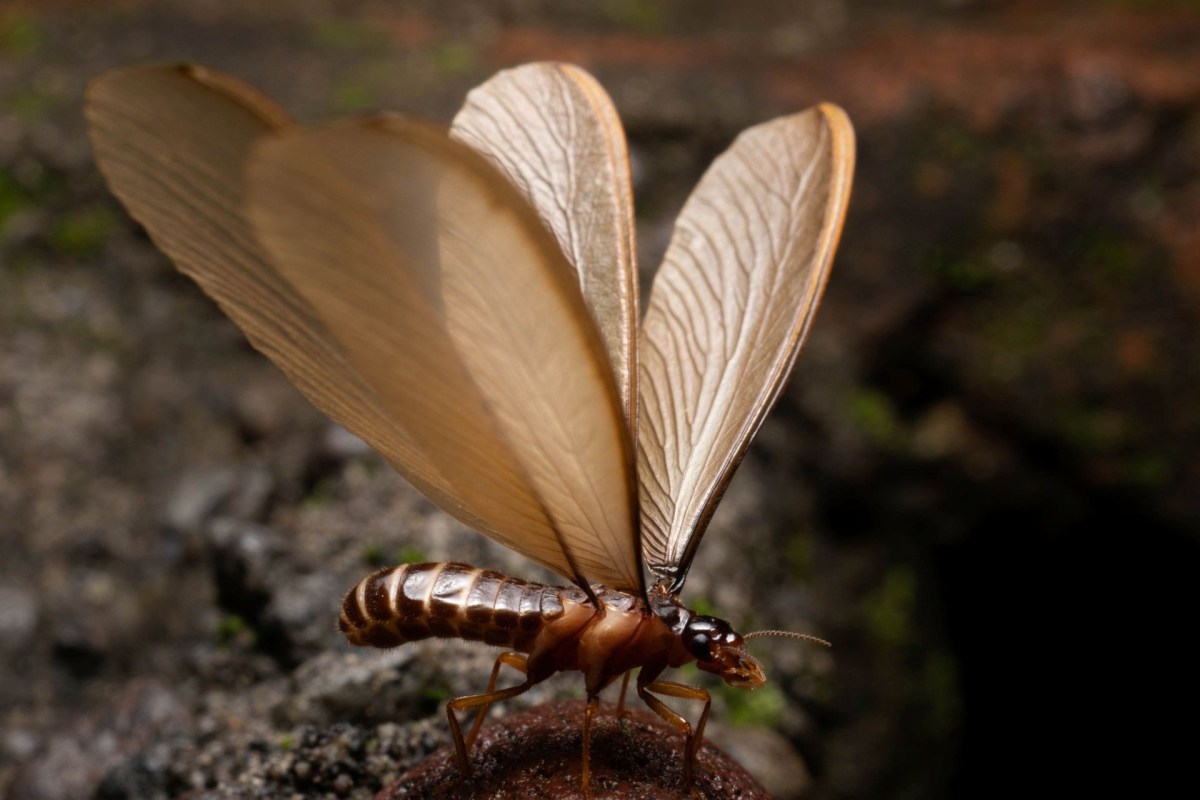
In early May, a Mississippi high school softball championship game was delayed when a huge swarm of flying termites overtook the field.
Experts say the incident highlighted the spread of an invasive termite species in parts of Mississippi.
What happened?
According to Mississippi Public Broadcasting, the insects that delayed the game were Formosan subterranean termite swarmers, the winged reproductive termites that leave established colonies to reproduce and start new ones. MPB is usually seen in Mississippi from late April through June, typically after sunset and especially following rain.
Santos Portugal, an urban entomologist with the Mississippi State University Extension Service, said the season itself made sense, but the number of insects did not.
"It was one of the largest swarming events that many Mississippians have seen in quite a while, and maybe ever," Portugal said.
Although Formosan termites are mainly established in south Mississippi, experts say they have spread beyond the coast. MPB reported that MSU Extension considers the invasive species established in parts of 26 counties in south and central Mississippi, while isolated collections have also been reported in several northern counties.
TCD Picks » Quince Spotlight
💡These best-sellers from Quince deliver affordable, sustainable luxury for all




"It's almost like it's snowing outside because there's so many termites swarming all at one time, millions and millions," said Kolby Krohn, a certified entomologist and chief operating officer of Redd Pest Solutions in Biloxi.
Why does it matter?
The insects have become a nuisance for residents by gathering around porch lights, filling neighborhoods, and even interrupting events. Krohn said they are strongly attracted to light and "get in every crack and crevice in your hair, in your jacket, in your clothes and can make quite a mess."
The bigger concern is what they mean ecologically. Native termites help decompose dead wood and return biomass to the soil, but Formosan termites can outcompete native subterranean termites because their colonies are larger and more aggressive, MPB reported.
"Native termites are decomposing organisms. Without them, our forest floors would be covered in limbs, down trees, and other cellulose-based debris," Kevin Ragon, an associate Extension professor of sustainable bioproducts, said.
Formosan termites can also invade healthy trees, hollowing them out and making them more likely to fail in storms or high winds. That creates hazards for ecosystems, homeowners, and public spaces.
What's being done?
According to MPB, Mississippi State University Extension researchers are monitoring the insects' spread and asking people who find suspected Formosan termites outside the known counties to send samples to the MSU Extension Insect Identification Lab.
Experts also say that seeing a few swarmers indoors after opening doors or windows is not, by itself, a reason to assume a home infestation. Portugal told MPB that the insects generally need soil and favorable conditions to survive long enough to establish a colony.
On the other hand, officials do point to one major warning sign. If termites seem to be coming out of walls, ceilings, or floors, residents should contact a reputable pest management professional right away.

Get TCD's free newsletters for easy tips, smart advice, and a chance to earn $5,000 toward home upgrades. To see more stories like this one, change your Google preferences here.






