


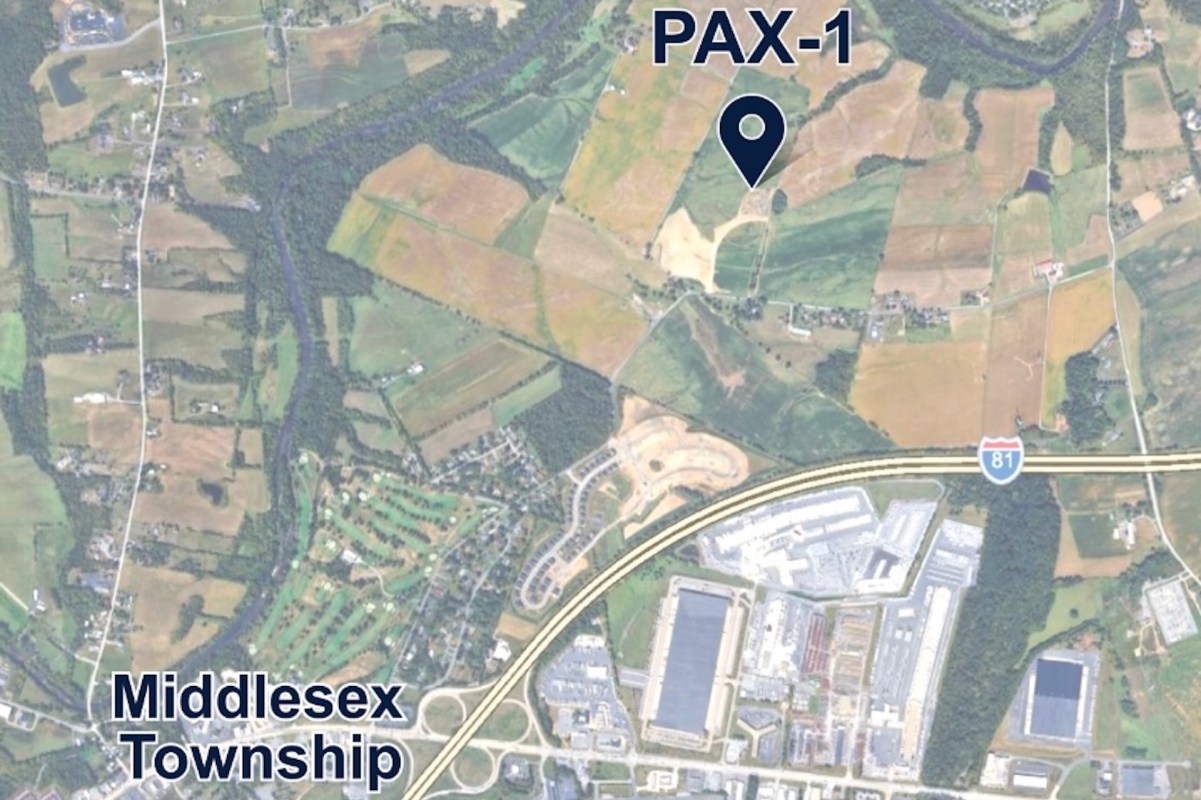
Middlesex Township has again delayed a decision on the proposed PAX-1 data center in central Pennsylvania, prolonging uncertainty for residents who say construction activity near their homes is already taking a toll.
The latest delay followed a medical emergency involving a township official during the meeting, adding another turn to the dispute over the controversial PAX-1 development, WHP-TV reported.
Here's what to know
The township rescheduled the vote for Sept. 2.
When officials return to the matter, they are expected to consider whether to approve six of the 16 buildings in the PAX-1 proposal.
This marks the second time the decision has been delayed.
The earlier meeting, scheduled for Aug. 5, was postponed after more than 150 people packed the township building, creating a fire hazard, WHP-TV reported.
TCD Picks » Quince Spotlight
💡These best-sellers from Quince deliver affordable, sustainable luxury for all




Some parts of the development, however, are advancing.
The township approved the construction of the substations along Country Club Road.
Residents told WHP-TV's Alex Thill that crews are working 12 hours a day, while neighbors have raised concerns about noise, lighting, traffic, and environmental effects.
More background
Across the country, large data centers have become flashpoints because industrial-scale facilities can end up close to homes, roads, and natural areas.
In Middlesex Township, those tensions are unfolding alongside a construction schedule expected to last about five years.
Neighbors say the wildlife they once regularly saw in their backyards has nearly vanished. That concern often overlaps with broader worries about habitat disruption, constant lighting, and added pressure on local roads and public services.
The rapid expansion of artificial intelligence infrastructure is central to the debate.
AI systems can potentially offer meaningful benefits, including helping utilities better manage electricity demand, improving building efficiency, and supporting cleaner energy integration.
However, AI data centers also require enormous amounts of electricity and water for cooling, raising concerns about grid strain, higher utility costs, security risks, and unintended social consequences as growth outpaces safeguards.
What's being done?
The debate is also unfolding as Pennsylvania sets rules for this fast-growing industry.
Gov. Josh Shapiro signed an executive order that he said contains the "nation's strictest guardrails on AI data centers."
The energy grid sits at the center of the AI boom.
New data centers sharply increase power demand, affecting energy planning, land use, and household utility bills. Stronger standards could help ensure new facilities are built more responsibly and that innovation does not come at the expense of nearby communities.
The company behind PAX-1 has said the project is complying with the new framework.
A spokesperson for the company building PAX-1 addressed the controversy in a statement.
"Pennsylvania Digital 1 (PAX-1) already meets or exceeds most of the requirements put forth in Governor Shapiro's executive order," they asserted.

Get TCD's free newsletters for easy tips, smart advice, and a chance to earn $5,000 toward home upgrades. To see more stories like this one, change your Google preferences here.






