


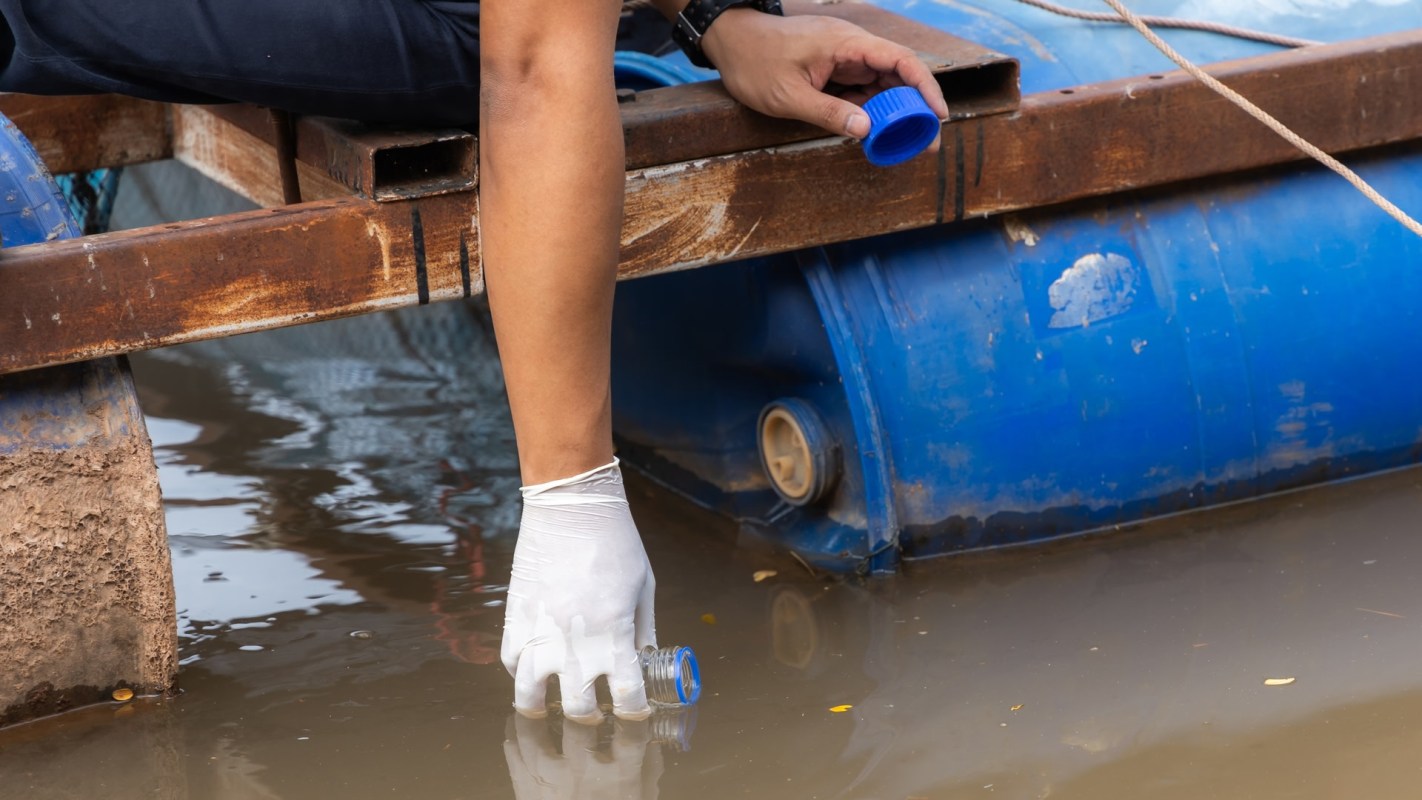
Microplastics are everywhere — air, water, seafood, and even our bodies. Though small, their impact on the environment and human health is significant.
Along the shores of Rhode Island's Narragansett Bay, a major new research effort is launching to better understand these invisible threats.
The University of Rhode Island has announced a $7 million research initiative, funded by the National Science Foundation, to study the socio-ecological impacts of microplastics.
The project also aims to strengthen the state's scientific research capacity and workforce development in coastal and environmental fields.
Leading the effort is URI associate professor Daniel Roxbury, who will coordinate a team of researchers from URI, Brown University, Rhode Island College, and Roger Williams University.
Each institution will contribute its unique expertise, ranging from sample collection and microplastic analysis to community outreach and environmental modeling.
Perk up the winter blues with natural, hemp-derived gummies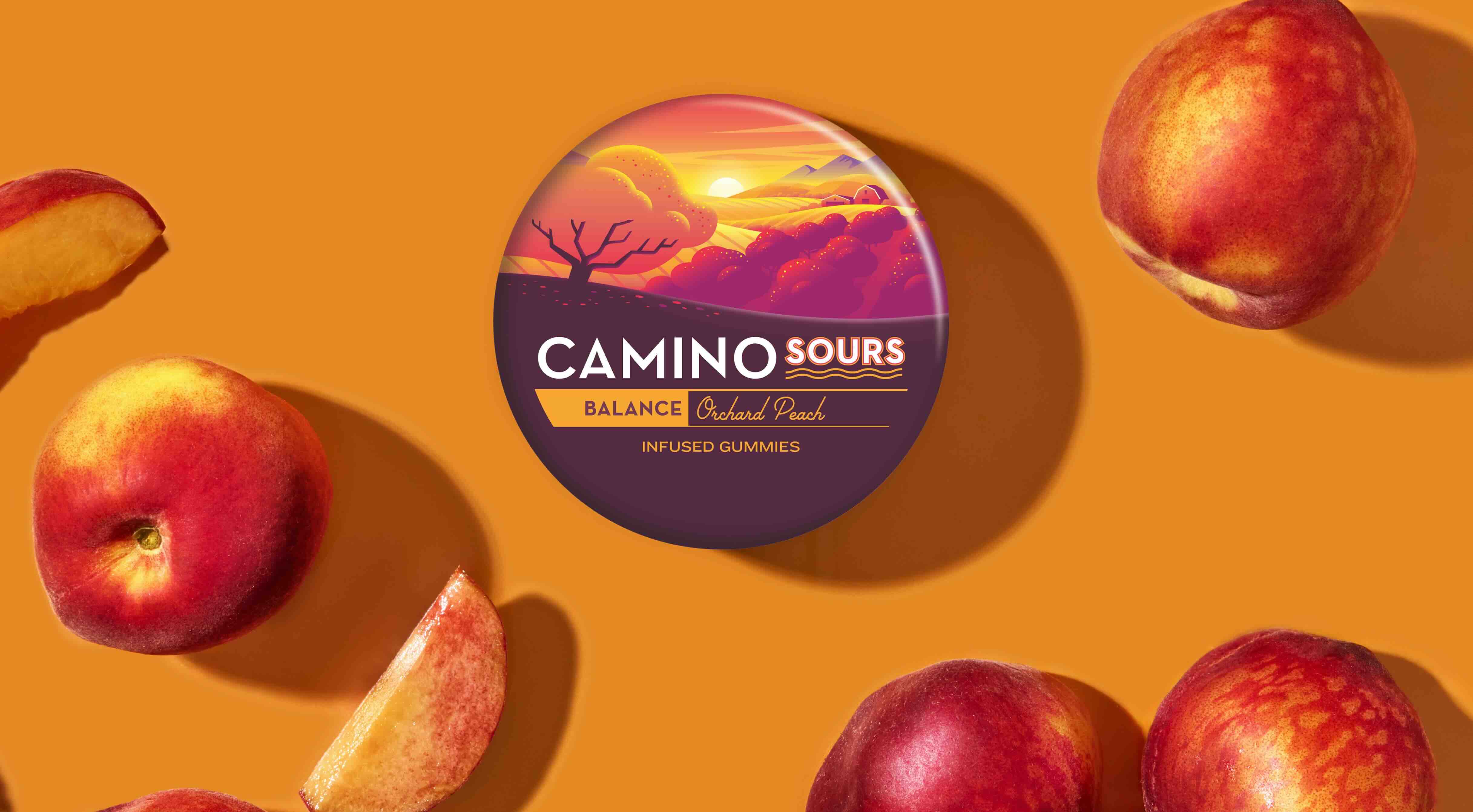 Camino's hemp-derived gummies naturally support balance and recovery without disrupting your routine, so you can enjoy reliable, consistent dosing without guesswork or habit-forming ingredients. Flavors like sparkling pear for social events and tropical-burst for recovery deliver a sophisticated, elevated taste experience — and orchard peach for balance offers everyday support for managing stress while staying clear-headed and elevated.
Learn more → |

A strategic planning meeting will be held within the next three months to outline project milestones, goals, and how the funding will be distributed among the partners.
Despite their size, microplastics can pose serious health risks, linked to everything from hormonal disruption to reproductive issues and even cancer. These particles have quietly made their way into our drinking water, the air we breathe, and the food we eat, without us even realizing it.
But there is good news: scientists are zeroing in on these threats with new focus and funding, such as this initiative in Rhode Island. This research brings hope, not just for cleaner coastlines, but for healthier communities.
At a time when climate and health news often feel bleak, this effort offers a tangible step forward, showing that solutions are possible when science and community work together.
TCD Picks » Upway Spotlight
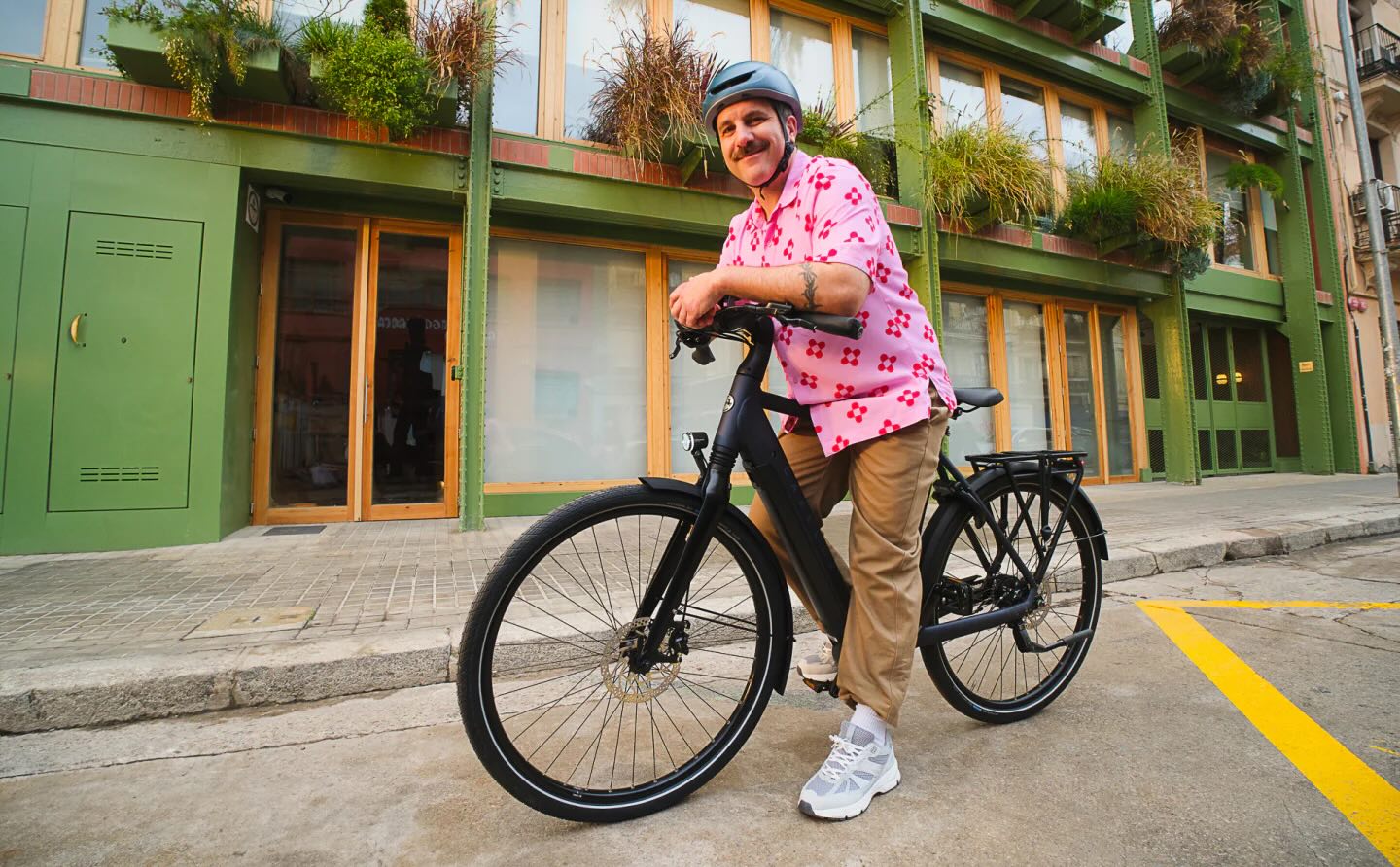
💡Upway makes it easy to find discounts of up to 60% on premium e-bike brands




|
Do you think sewage pollution is a major problem in America? Click your choice to see results and speak your mind. |
 Yes 👍
Yes 👍 Ultimately, the initiative in Rhode Island seeks to understand, reduce, and respond to microplastic pollution while fostering collaboration across institutions and engaging the public in meaningful ways. It's a major step toward cleaner waterways and a healthier planet.
This project has garnered a wave of excitement, with supporters praising the news.
Comments like "This is great news," and "Congratulations, URI!" reflect the community's enthusiasm and pride in the university's leadership on this critical issue.

Join our free newsletter for weekly updates on the latest innovations improving our lives and shaping our future, and don't miss this cool list of easy ways to help yourself while helping the planet.
Cool Picks





