


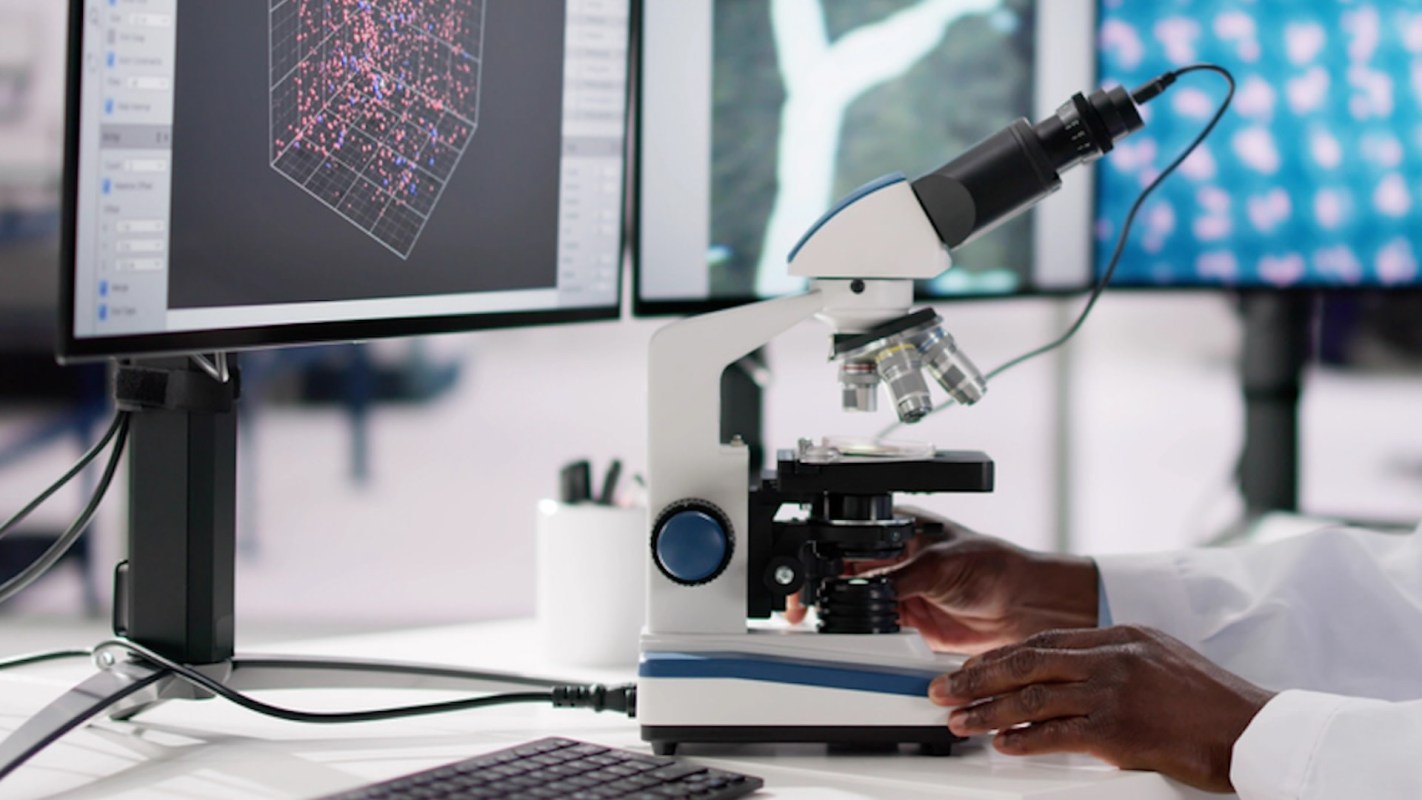
Scientists made a breakthrough that could help us get a clearer picture of microplastics, one of the world's sneakiest pollutants, according to a new study in Microchemical Journal.
These tiny plastic bits are prolific almost everywhere — water, soil, even the air — but figuring out exactly what types are present has always been tricky. That's what made this new development so important.
Researchers developed a method that uses AI to sort through complex data and identify different plastics with high confidence, even when they're mixed together.
Microplastics are typically identified using infrared spectroscopy, a tool that shines infrared light on a material and reads how it absorbs that light.
Each type of plastic exhibits a signature pattern, not unlike a barcode. But in real-world samples, these "barcodes" are often difficult to differentiate, much like trying to isolate one person's voice in a crowded room.
Traditional computer systems can get overwhelmed, but the new study suggested that a novel, AI-based approach could separate those signatures far more cleanly.
So how does it work?
The model used a dual-branch neural network, meaning it processed the same data in two different ways before combining the results. It also included an attention mechanism to focus the AI on the parts of the signal that mattered most, to act as a highlighter of sorts.
To further clarify the data, researchers used a tool called Grad-CAM to visualize and track the AI's focus. That helped "show the important features," said researcher Tong Jingjing, giving scientists greater confidence in how the system made decisions.
Their breakthrough was also connected to broader concerns about AI and the environment.
TCD Picks » Quince Spotlight
💡These best-sellers from Quince deliver affordable, sustainable luxury for all




|
How concerned are you about microplastics in your body? Click your choice to see results and speak your mind. |
 Orlando Bloom level 😥
 AI can help optimize renewable energy systems, reduce pollution, and accelerate the development of new green technologies.
At the same time, there are significant drawbacks: large AI models can use a lot of electricity and water, create electronic waste, and introduce risks around misuse or unintended effects.
These pros and cons are important, and understanding them allows us to make smarter, more sustainable choices as AI becomes more common.
It may take more testing before this method becomes a standard tool, but the findings were promising.
With clearer data and faster analysis, scientists could soon track microplastics more accurately than ever, an important step toward protecting ecosystems and human health.

Get TCD's free newsletters for easy tips to save more, waste less, and make smarter choices — and earn up to $5,000 toward clean upgrades in TCD's exclusive Rewards Club.
Cool Picks





