


We've been warned it takes a single plastic straw about 200 years to decompose, but what about the tiny plastics that are hiding much closer to home?
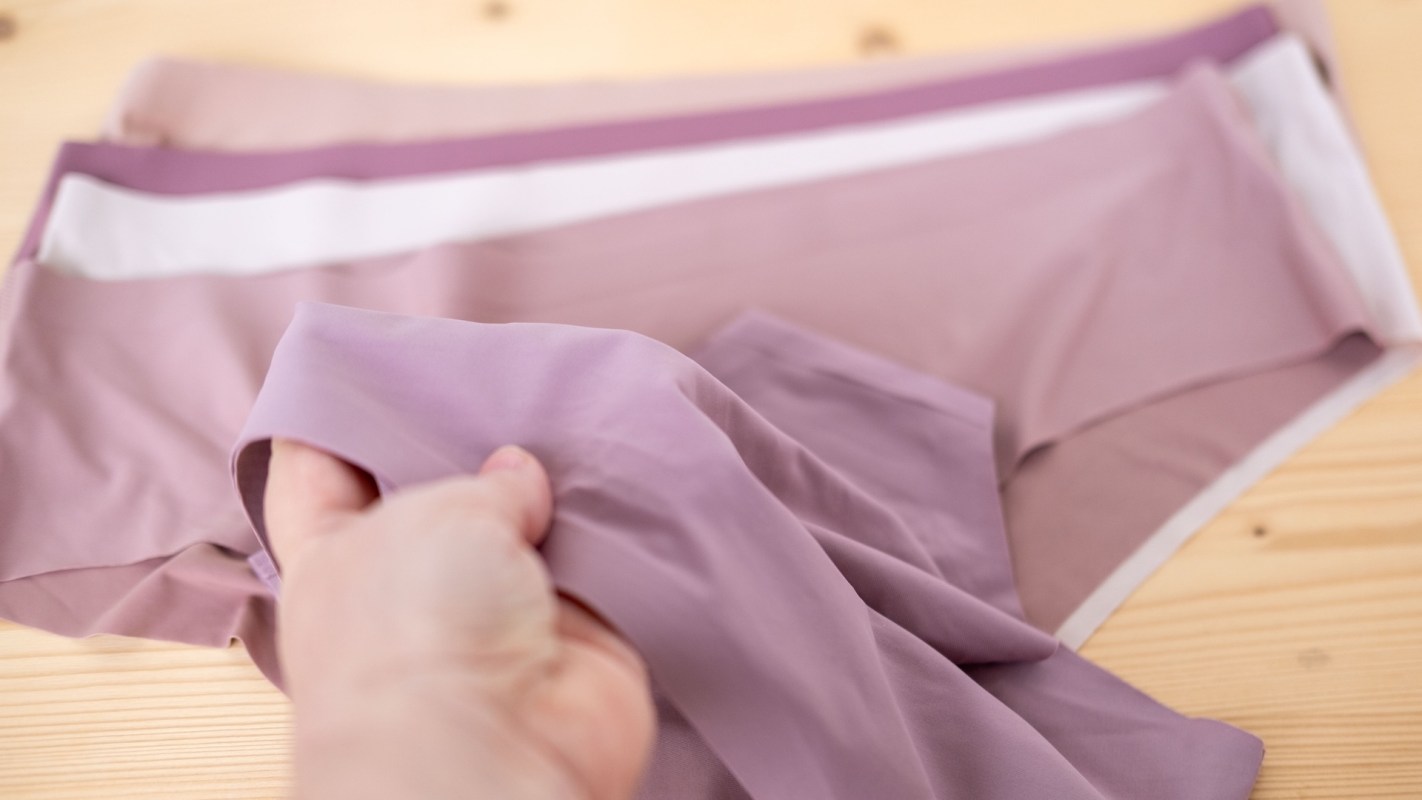
Experts say even your underwear may contain synthetic fibers and chemical coatings that can leach out through regular wear, as reported by NBC.
What's happening?
Most modern underwear is made with synthetic fabrics that rely on plastic-derived chemicals for flexibility and durability, like polyester, spandex, and nylon, as per the report. According to environmental chemist Dr. Li Li, these fabrics can be treated with PFAS and melamine to make them stain- or water-resistant.
"Some chemicals can slowly leach out of the fabric because of either natural diffusion or friction when the fabric runs against our skin," says Li, adding that when we sweat, the oils on our skin help to dissolve these chemicals.
The microplastic problem extends well beyond our underwear. An investigation found that popular fast-fashion retailers, including brands sold on online marketplaces, were selling clothing coated with dangerous chemicals that accumulate in the body over time. Certain coatings and dyes contained formaldehyde, phthalates, and PFAS — the same group of forever chemicals cited by Li.
Why are microplastics a concern?
PFAS are called "forever chemicals" because they don't easily break down and can build up in human tissue and the environment. As NBC reports, exposure has been linked to effects on the liver, kidneys, and nervous system, and even trace levels may cause irritation on sensitive skin. In the report, Shannon Fitzgerald, a toxicologist and pharmacist, said "residual concentrations" of these chemicals will continuously be released, meaning washing or wearing the item doesn't reduce exposure.
Experts warn laundry habits can worsen the problem. Fabric softeners, for example, can introduce chemical residues that coat fibers and interfere with airflow. Some people have stopped using fabric softeners after learning that it can contain silicones, oils, and alcohol, all which increase the flammability of your clothing items.
The same caution applies to dryer sheets, which can be switched for wool dryer balls to reduce chemical buildup and microplastic shedding over time.
What can you do to reduce exposure?
Choosing natural fibers to help limit direct skin contact with plastics. As Li noted, while natural materials may still be treated with minor finishes or dyes, there are way less synthetic additives than polyester or spandex.
You can start with supporting clothing brands that prioritize eco-friendly production, which can also help push the industry toward safer practices. And looking for certifications such as B Corp, OEKO-TEX, or GOTS — and generally choosing "slow-fashion" brands that avoid PFAS and other toxic coatings — are also great ways to reduce exposure.
TCD Picks » Quince Spotlight
💡These best-sellers from Quince deliver affordable, sustainable luxury for all




|
Do you worry about having toxic forever chemicals in your home?
Click your choice to see results and speak your mind. |
 Majorly 😥
Join our free newsletter for weekly updates on the latest innovations improving our lives and shaping our future, and don't miss this cool list of easy ways to help yourself while helping the planet.
Cool Picks





