


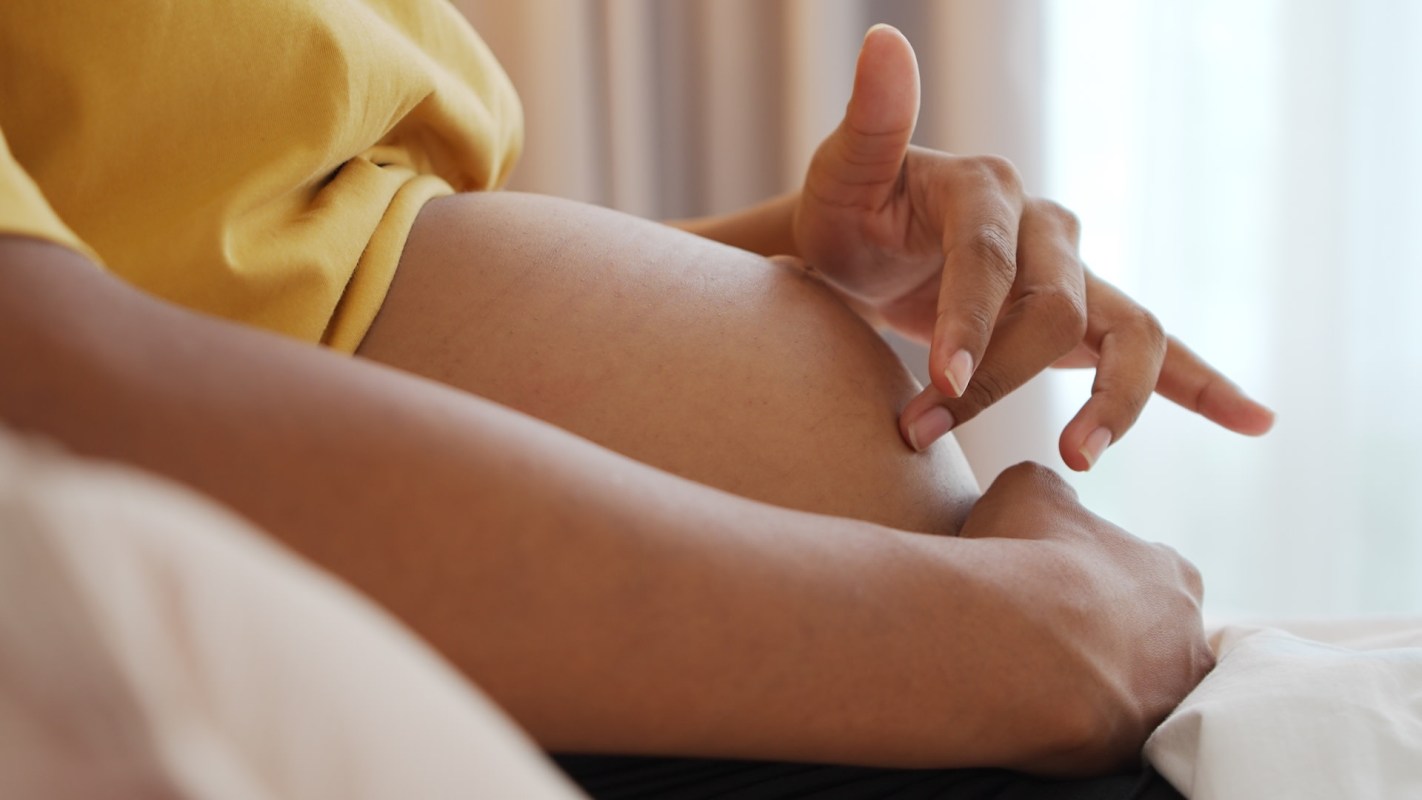
A new study suggests that microplastics found in human placentas may have serious implications for fetal development.
What's happening?
Researchers evaluated a cohort of 1,324 pregnant women in China, identifying microplastics in every placental sample tested. In their paper, published in the journal Ecotoxicology and Environmental Safety, the co-authors wrote that "placental microplastic exposure was associated with altered fetal hormone levels."
Microplastics are plastic particles smaller than 5 millimeters in diameter. They are often the result of larger plastics breaking apart, but they can also be intentionally produced in very small sizes for use in products such as cosmetics and pharmaceuticals.
The researchers, from Shengjing Hospital of China Medical University, reported that the primary results indicated a link between higher levels of placental microplastics and lower levels of glucocorticoids. These steroid hormones, which include cortisol and cortisone, serve numerous functions. In addition to their role in stress response, inflammation, and metabolism, they are also crucial to early lung and brain development.
Placental microplastics exposure was also found to be associated with changes in hormone ratios and higher levels of androgens — or sex hormones — suggesting endocrine disruptions.
"These findings are of great importance for public health," the co-authors wrote, "as they shed light on the potential risks posed by environmental contaminants, specifically microplastics, on fetal development."
Why is this concerning?
Microplastics have been detected essentially everywhere on Earth, from the world's highest mountain peaks to the lowest points in the ocean. That's perhaps not particularly surprising, as plastic production has reached all-time highs.
More than 450 million metric tons of plastic are produced globally each year. Only about 10 percent of that is recycled, and another 11 million metric tons end up in lakes, rivers, and oceans.
Ultimately, microplastics contaminate our soil, water, air, and food systems, eventually finding their way into our bodies. And while the science on the potential health impacts of microplastics is still developing, exposure has been linked with various possible hazards, including cardiovascular issues, cancer risks, and reproductive concerns.
This new study from China Medical University underscores just how early exposure to microplastics can begin, stretching the window of expected exposure from well before the cradle and on through to the grave.
TCD Picks » Quince Spotlight
💡These best-sellers from Quince deliver affordable, sustainable luxury for all




|
Do you worry about having toxic forever chemicals in your home?
Click your choice to see results and speak your mind. |
 Majorly 😥
 What's being done about microplastics?
Tiny and everywhere, microplastics are very difficult to avoid and clean up. Environmental experts agree that global coordination will be required to tackle the plastics crisis underlying the ubiquity of the stuff.
The study's co-authors agree, writing in their conclusion, "With the widespread presence of microplastics in the environment, this study underscores the need for policymakers to prioritize the regulation of plastic waste and explore effective measures to reduce exposure, especially during pregnancy."
Unfortunately, a major treaty to address plastics production, powered by the United Nations, just fell apart. While advocates explore new paths forward, consumers can take steps to reduce their own exposure at home by using less single-use plastic.
For example, using a reusable glass or stainless steel water bottle whenever possible can drastically cut down on plastic bottle waste, and limiting purchases of foods packaged in plastic — even bringing your own non-plastic containers to restaurants to carry takeout — can help as well.

Join our free newsletter for weekly updates on the latest innovations improving our lives and shaping our future, and don't miss this cool list of easy ways to help yourself while helping the planet.
Cool Picks





