


In recent years, research into environmental plastic has focused heavily on microplastics, a label about something small that is at odds with the dire risks they pose.
Microplastics have infiltrated virtually everything on Earth, living and inert, and a new study in the Journal of Hazardous Materials drilled down on how these contaminants sneak into the food chain through cattle feed.
What's happening?
Although they've almost certainly existed since the advent of consumer plastic, science didn't formally identify microplastics as a distinct environmental and health threat until 2004.
After a marine biologist named them, research into microplastics began in earnest, revealing their shockingly pervasive nature and incrementally identifying their impact.
Ingestion is one of the main ways microplastics enter the food chain and thus the human body, and scientists are working to identify less-obvious contamination routes.
For this study, researchers focused on microplastics and the rumen, a part of the digestive systems of grazing animals like cows, sheep, and goats. Scientists sought answers on how microplastics behave in this system and how they migrate past the rumen.
To do this, the researchers replicated rumen conditions in a lab, introducing microplastic samples of varying types, sizes, and amounts.
As Earth.com noted, the study confirmed "that rumen microbes react strongly to plastics," with smaller particles producing a particularly pronounced effect. Co-author Jana Siefert explained why their findings were significant.
"Our study shows for the first time that microplastics do not simply pass through the digestive tract of farm animals. Instead, they interact with the gut microbiome, alter fermentation processes, and are partially broken down," she said.
Why is this concerning?
Siefert's commentary implied an assumption that microplastics pass through cattle, whereas their research indicated they continue to break down during digestion.
TCD Picks » Quince Spotlight
💡These best-sellers from Quince deliver affordable, sustainable luxury for all




|
How do you feel about microplastics being inside our bodies? Click your choice to see results and speak your mind. |
 I want them out now 🚫
 Microplastics are defined as plastic particles 5 millimeters or smaller, so determining that these contaminants deteriorate into even smaller, more numerous pieces as grazing animals digest them is worrisome.
In wildlife and humans, microplastics accumulate in blood, tissue, and organs, and tinier particles can infiltrate these systems more easily while being harder to detect.
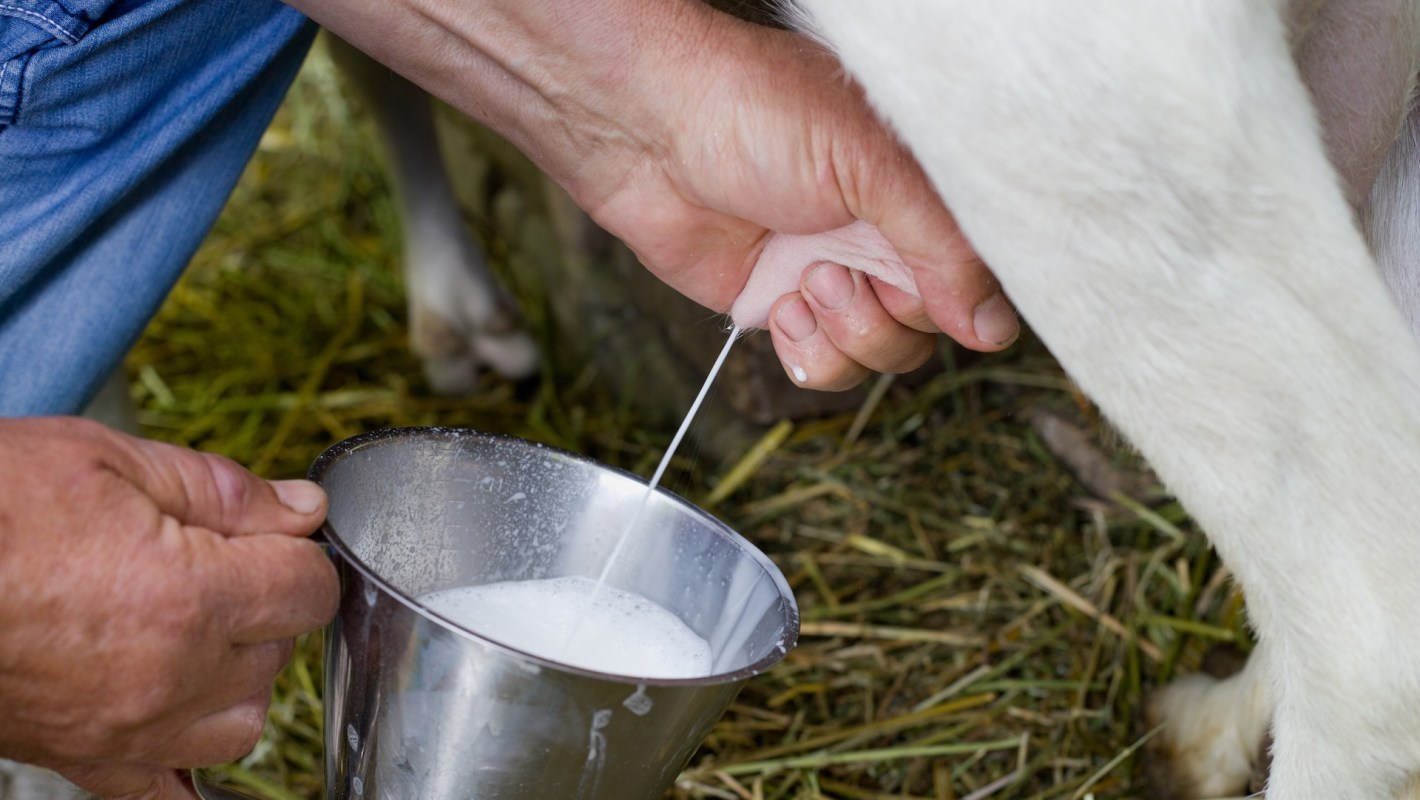
Grazing animals supply meat and milk in the food chain, meaning the study's findings carry forward to hamburgers and milkshakes, as co-author Cordt Zollfrank emphasized.
"Plastic pollution isn't just an environmental issue 'out there.' It has direct biological consequences for farm animals — and potentially for humans — through the food chain," he said.
What's being done about it?
The study's authors said further research is needed, but they stressed the importance of working to limit plastic in agricultural settings.
In the meantime, using less plastic, avoiding single-use plastics, and replacing everyday items with nonplastic versions are all effective ways to reduce your direct exposure to microplastics.

💰Get TCD's free newsletters for easy tips to save more, waste less, and make smarter choices — and earn up to $5,000 toward clean upgrades in TCD's exclusive Rewards Club.
Cool Picks





