


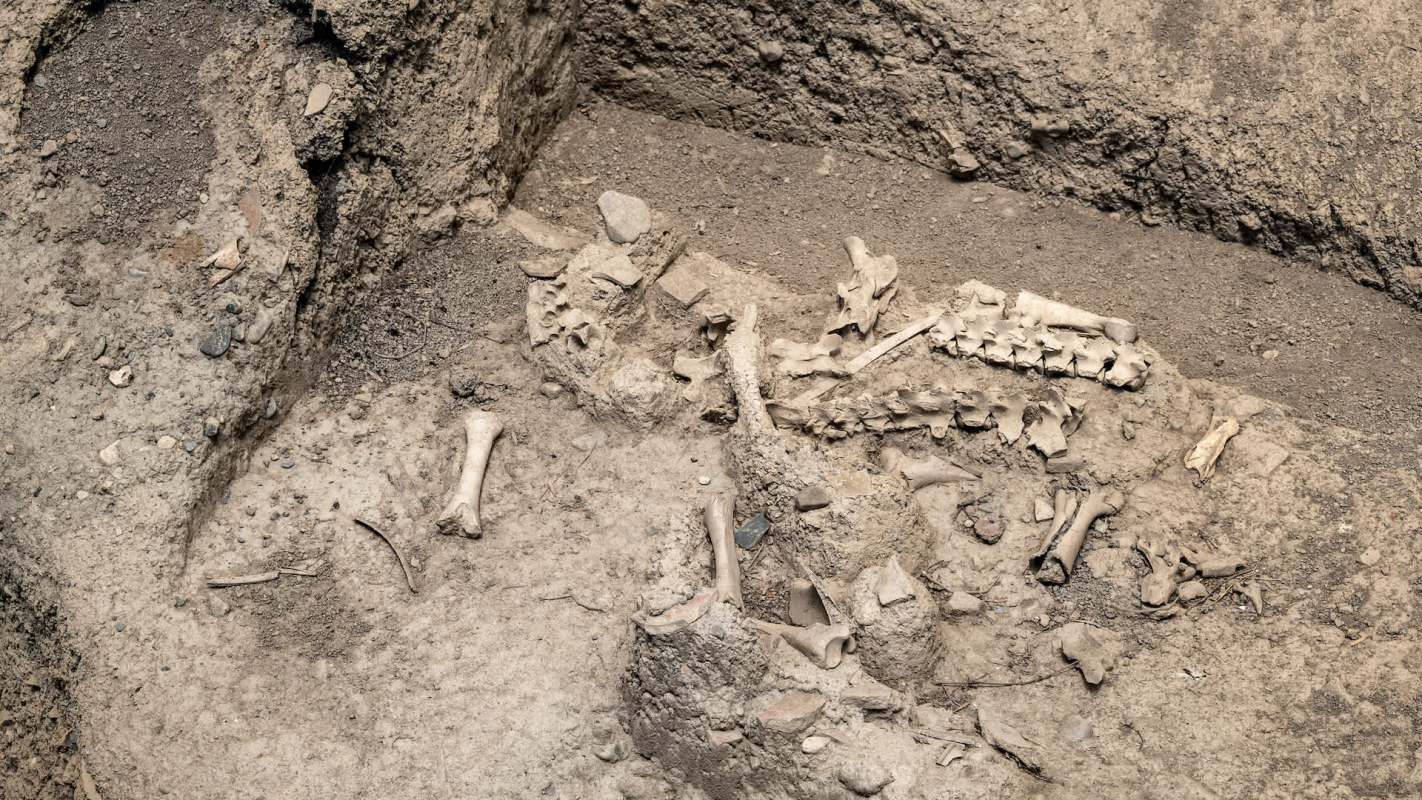
A fossil once thought lost is again reshaping what scientists know about the legendary megalodon.
As Science Alert details, fresh analysis of a giant Danish vertebra that had long been broken apart and presumed lost backs up earlier estimates that the ancient shark may have stretched to about 80 feet (24.3 meters).
What happened?
Work at Denmark's Gram Clay Pits in 1978 yielded roughly 20 vertebrae from a single megalodon, as the outlet reported. Among them was a 9-inch (23-centimeter) vertebra that ScienceAlert said exceeds every other known megalodon vertebra.
That outsized fossil later became central to estimating the maximum size of Otodus megalodon, and those calculations suggested a shark about as long as two city buses, the publication said.
During a move in 1989, the specimen was badly damaged and eventually treated as lost, Science Alert noted.
Years later, Bent Erik Kramer Lindow, a vertebrate paleontologist and curator at the Natural History Museum of Denmark, recognized that an overlooked box of fossil fragments belonged to the missing specimen, according to a press release about the finding.
TCD Picks » Quince Spotlight
💡These best-sellers from Quince deliver affordable, sustainable luxury for all




That rediscovery allowed researchers to study the remains directly rather than relying solely on old photographs.
According to Kenshu Shimada, first author of the new study and a paleobiology professor at DePaul University in Chicago, one partially preserved vertebra was enough for the team to verify the key measurement.
"In science, reproducibility of data is critical, so when I confirmed that measurement, I literally exclaimed, 'Yes!'" Shimada told Science Alert.
The team eventually determined that the box held two partly preserved vertebrae, at least 185 small vertebral fragments, and several rock pieces bearing casts of vertebrae. Their findings were published in Palaeontologia Electronica.
Why does it matter?
Megalodon remains one of the most famous prehistoric animals, and scientists are still trying to pin down how large it really was.
Because sharks have cartilaginous skeletons that do not fossilize as easily as bone, researchers usually have only teeth and occasional vertebrae to study. That makes each well-preserved specimen especially important.
"The giant megalodon vertebrae are of great importance because size matters when it comes to understanding the biology, ecological impact, and geographic distribution pattern of this extinct giant predator," researcher Mette Elstrup said in the release.
The rediscovered fossils may also offer clues about what giant megalodons were eating. Shimada said the sediment around the vertebrae contained fossil basking shark scales, which the team interpreted as possible stomach contents, per Science Alert.
That detail adds to evidence that megalodon may have fed opportunistically and eaten a wider range of prey than scientists previously believed.
What's being done?
Researchers continue to revisit old museum collections, where damaged, mislabeled, or overlooked specimens can still lead to major discoveries.
In this case, careful curation and reanalysis turned a box of fragments into new evidence about one of prehistory's most iconic animals.
When fossils, bones, and sediment samples are saved, even in imperfect condition, scientists can apply newer methods and revisit old questions years later.
"Museum collections are mightily important for science, and many of my past discoveries are based on museum specimens that were collected many years ago," Shimada explained to Science Alert. "So, I am quite certain that there are many other historically known and unknown specimens still waiting for scientists to discover something new and exciting."

Get TCD's free newsletters for easy tips, smart advice, and a chance to earn $5,000 toward home upgrades. To see more stories like this one, change your Google preferences here.







