


More than 40 years after it was collected, an Antarctic fossil has been recognized as a far more consequential discovery than anyone first realized, according to Sci.News.
The bone is now considered the earliest dinosaur specimen known to have been collected on the continent.
What happened?
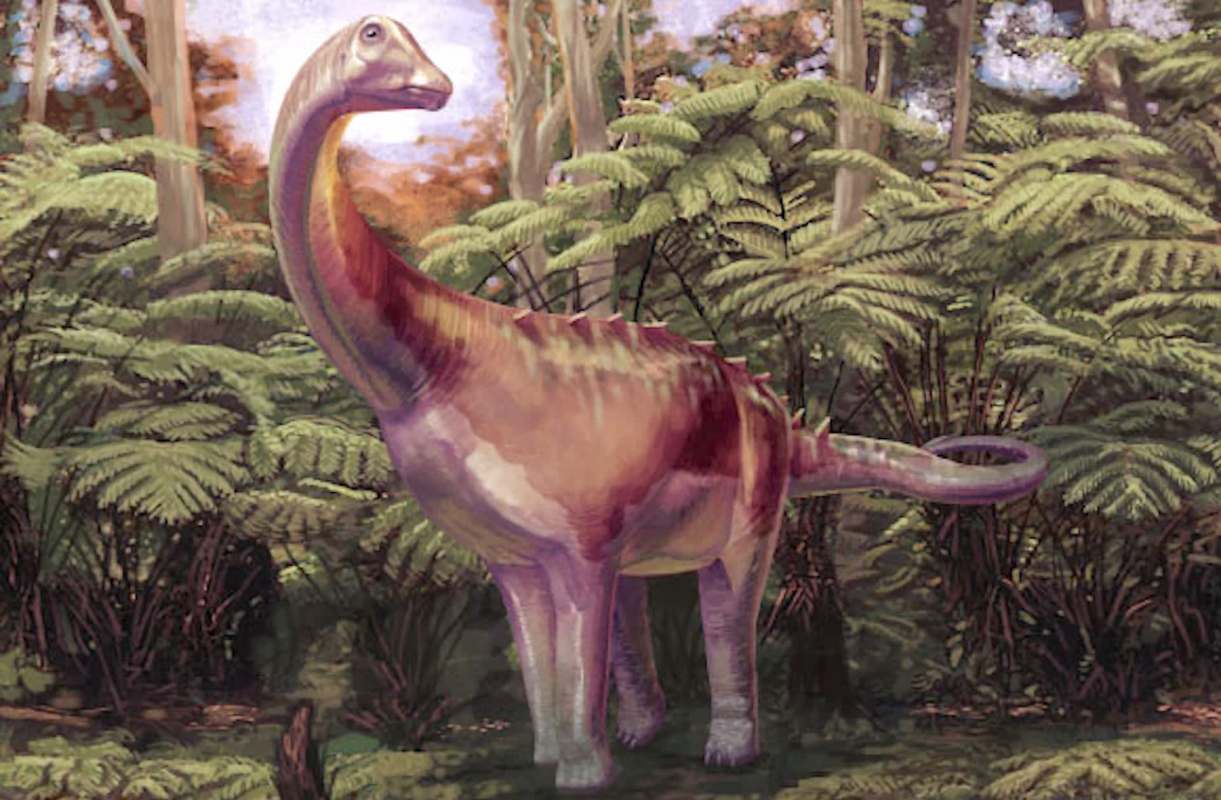
The bone, cataloged as BAS D.8621.25, comes from the Late Cretaceous and is about 83 million years old. In a new study, researchers concluded that the James Ross Island fossil is a titanosaurian sauropod tail vertebra, Sci.News reported. Titanosaurian sauropods were long-necked dinosaurs, and some were among the largest land animals ever to exist.
On Dec. 9, 1985, British Antarctic Survey geologist Michael Thomson and German paleontologist Reinhard Förster unearthed it in the Santa Marta Formation. Even though the specimen had been found before the 1986 discovery of Antarctopelta oliveroi — long treated as Antarctica's first dinosaur fossil — its true identity went unrecognized for years.
Why is the Titanosaur fossil important?
Paul Barrett, a paleontologist at the Natural History Museum, London, summed the answer to that question up well to Sci.News: "At first glance this appears to be an unremarkable fossil, but it holds an important place in the history of Antarctic exploration as the first dinosaur fossil found on the continent."
The specimen both corrects part of Antarctica's paleontological record and strengthens the case that the continent once supported abundant life in an environment nothing like its modern frozen landscape.
TCD Picks » Quince Spotlight
💡These best-sellers from Quince deliver affordable, sustainable luxury for all




Researchers said the dinosaur was small for a sauropod, likely about 20 to 23 feet long, and it may have been a young animal or a dwarf species.
Barrett said, "At the time this animal lived, we know Antarctica would have covered in lush temperate forest providing ample food for large herbivores."
It is also only the second sauropod body fossil recorded from Antarctica, which suggests these dinosaurs may have been more varied there than the thin fossil record currently shows.
As part of Gondwana, Antarctica once formed a land bridge with South America, Australia, and New Zealand, offering researchers clues about how animals could have traveled among those ancient continents.
What are people saying?
Dr. Matthew Lamanna, a paleontologist at the Carnegie Museum of Natural History, told Sci.News that the fossil is "rare evidence that long-necked sauropod dinosaurs once lived in Antarctica."
University College London Ph.D. student Samantha Beeston reflected, "It's a powerful reminder of exactly why museums collect, care for, and steward objects like these — new methods and expertise continue to emerge, enabling scientists to unlock discoveries from specimens that have been waiting in plain sight."

Get TCD's free newsletters for easy tips, smart advice, and a chance to earn $5,000 toward home upgrades. To see more stories like this one, change your Google preferences here.







