


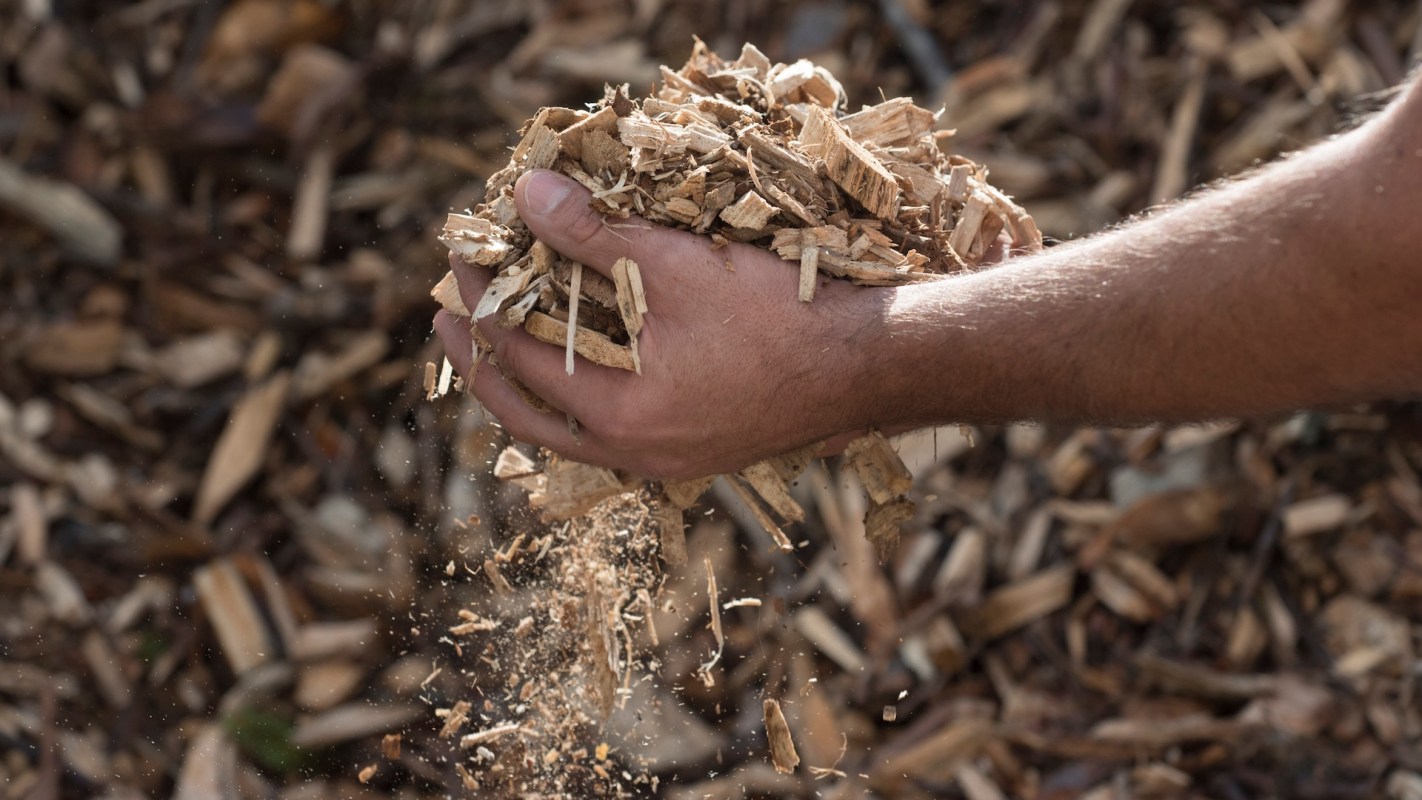
Massachusetts lawmakers may be poised to make a major shift in energy policy after the Senate approved an amendment that would stop treating wood-burning biomass like wind, solar, and geothermal — and would end the subsidies tied to it.
Here's what to know
The proposal cleared the Massachusetts Senate 35-4 as part of a broader bill focused on energy affordability and clean power, the Greenfield Recorder reported. If it becomes law, biomass would be removed from the "non-carbon emitting" category under the state's Greenhouse Gas Emission Standard, so municipal light plants could no longer sell it as power in that classification.
Backers of the amendment argue that it fixes a longstanding policy flaw. Senator Adam Gomez, who introduced it, said the measure "closes the loophole" for biomass and later described it as the "final nail in the coffin" for biomass.
It would also strip away public subsidies for energy produced by burning wood — support that advocates say has been vital to financing the Springfield plant.
James McCaffrey of Partnership for Policy Integrity said, "Those subsidies are extremely important for financing the plants."
Residents who have opposed the Springfield project since 2008 view the Senate vote as an important milestone, even if it does not end the battle.
TCD Picks » Quince Spotlight
💡These best-sellers from Quince deliver affordable, sustainable luxury for all




More background
The dispute over biomass has lingered in climate policy for years because it sits in a contested space: trees can grow back, but burning wood still releases pollution and heat-trapping emissions.
Johanna Neumann of Environment America said that while biomass may qualify as renewable in a technical sense, that does not make it clean.
Partnership for Policy Integrity says biomass energy produces about 50% to 60% more carbon dioxide per megawatt-hour than modern coal plants.
Neumann said, "When I look at where we are coming from and where we are going, truly clean renewable energy sources should be where we set our sights on. That includes wind, solar and geothermal, and not sources we have to burn to get energy from."
Critics have also framed the issue as a public-health concern, particularly in Springfield, which the Asthma and Allergy Foundation of America named the nation's asthma capital in 2018 and 2019.
Biomass can contribute to respiratory problems, asthma, heart attacks, birth defects, neurodegenerative disease, and, in severe cases, death. For many residents, the issue is also about air quality, public health, and environmental justice.
What's being done?
The amendment is now folded into "An Act Relative to Energy Affordability, Clean Power and Economic Competitiveness" (H.5175), which entered conference committee in July. If the provision survives the final bill and is signed into law, Massachusetts would more clearly separate biomass from other energy sources that receive clean-energy treatment.
Gomez and Representative Orlando Ramos have already pushed to remove biomass from the state's Clean Energy Standard and Renewable Portfolio Standard, both of which require utilities to include certain amounts of qualifying energy in electricity sales.
Even so, activists say the Springfield project cannot yet be declared over. Palmer Renewable Energy still has permits, and advocates including McCaffrey, Teniel Rhiney, and Susan Theberge have warned that the company could still look for other funding sources.
"Closing this loophole acknowledges the urgency of this moment that ties climate, environment, and public health within the same intersections," Rhiney said. "It's all these things combined that we're working for collaboratively."

Get TCD's free newsletters for easy tips, smart advice, and a chance to earn $5,000 toward home upgrades. To see more stories like this one, change your Google preferences here.






