


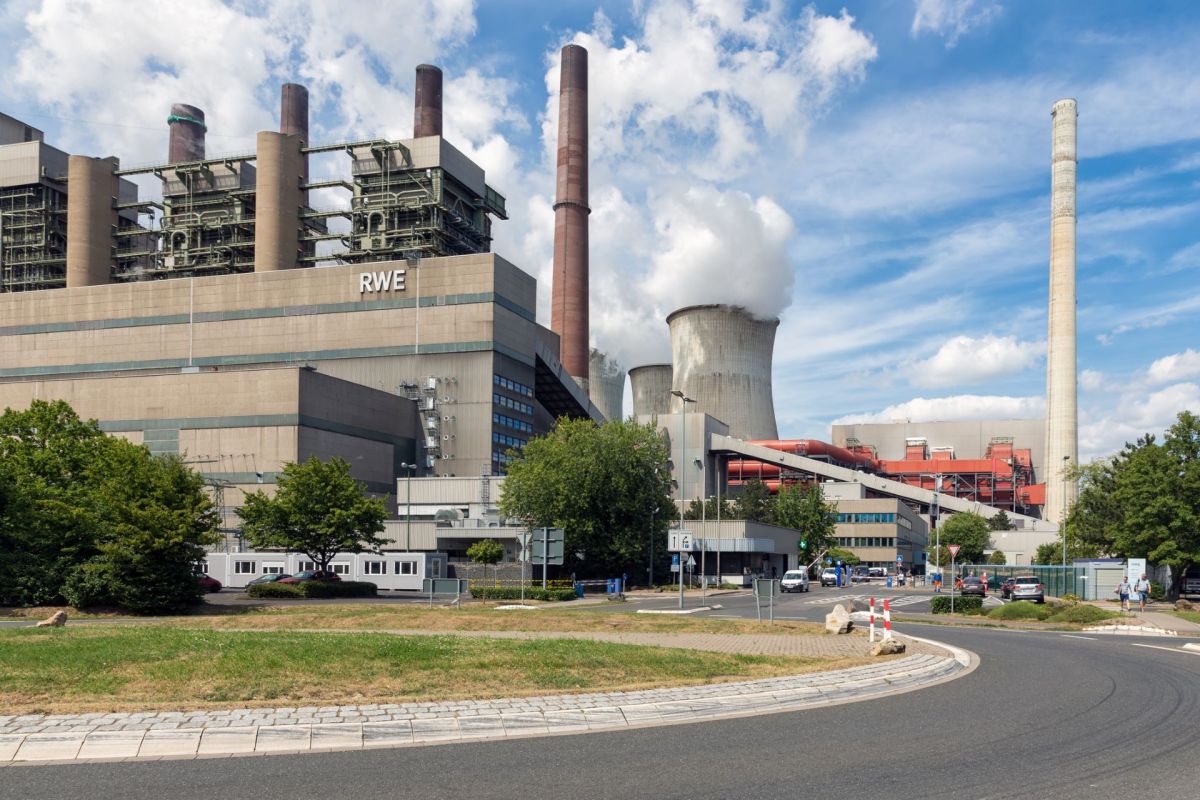
Dutch law students in Amsterdam are taking on an energy company over a claim that goes to the heart of the climate debate: whether burning biomass should be marketed as "climate-neutral."
Here's what to know
Students at Vrije Universiteit Amsterdam filed a complaint with the Dutch Advertising Code Committee targeting German energy giant RWE over how it describes biomass in its corporate communications, NL Times reported.
The complaint argues that RWE's advertising and public-facing messaging misleads people by describing biomass as an energy source without climate impacts.
At a university legal clinic, the students reviewed RWE's public messaging on biomass. They did so with Advocates for the Future, a group that has previously brought Advertising Code Committee complaints against other companies.
For law student Hanna Rotman, one of the first things that stood out was how forcefully RWE described biomass.
"When we first began looking into biomass, we were surprised by how emphatically RWE presents biomass as climate-neutral," Rotman said.
TCD Picks » Quince Spotlight
💡These best-sellers from Quince deliver affordable, sustainable luxury for all




The students say sustainability claims can shape public opinion, consumer trust, and policy support. When a fuel source is described too simply, people may come away with a cleaner impression than the science supports.
More background
Often treated as a renewable fuel, biomass is made from plant or animal material that can be replenished. Examples used for energy include pruning waste, wood pellets, and animal manure.
That label, however, has long been controversial.
A major point of criticism is the time lag involved in offsetting the carbon released by burning biomass. The students cited information saying newly planted trees may need decades or even centuries to reabsorb the carbon dioxide, a greenhouse gas, emitted during combustion.
That delay is a key reason the issue remains contentious.
They also pointed to earlier Advertising Code Committee decisions indicating that sustainability claims in ads and other communications must be backed up.
What's being done?
The students are asking the Advertising Code Committee to determine that RWE's conduct is unacceptable.
While the committee's decisions are not legally binding, they still carry weight because companies often follow them to avoid negative publicity.
That means the complaint could still have an effect even without a court order. A ruling against RWE could pressure the company to change how it talks about biomass.
According to NL Times, RWE did not immediately offer a substantive response. A company spokeswoman told the outlet that RWE had learned through media reports that a complaint might have been filed but had not yet received formal notification or the relevant documents.

Get TCD's free newsletters for easy tips, smart advice, and a chance to earn $5,000 toward home upgrades. To see more stories like this one, change your Google preferences here.






