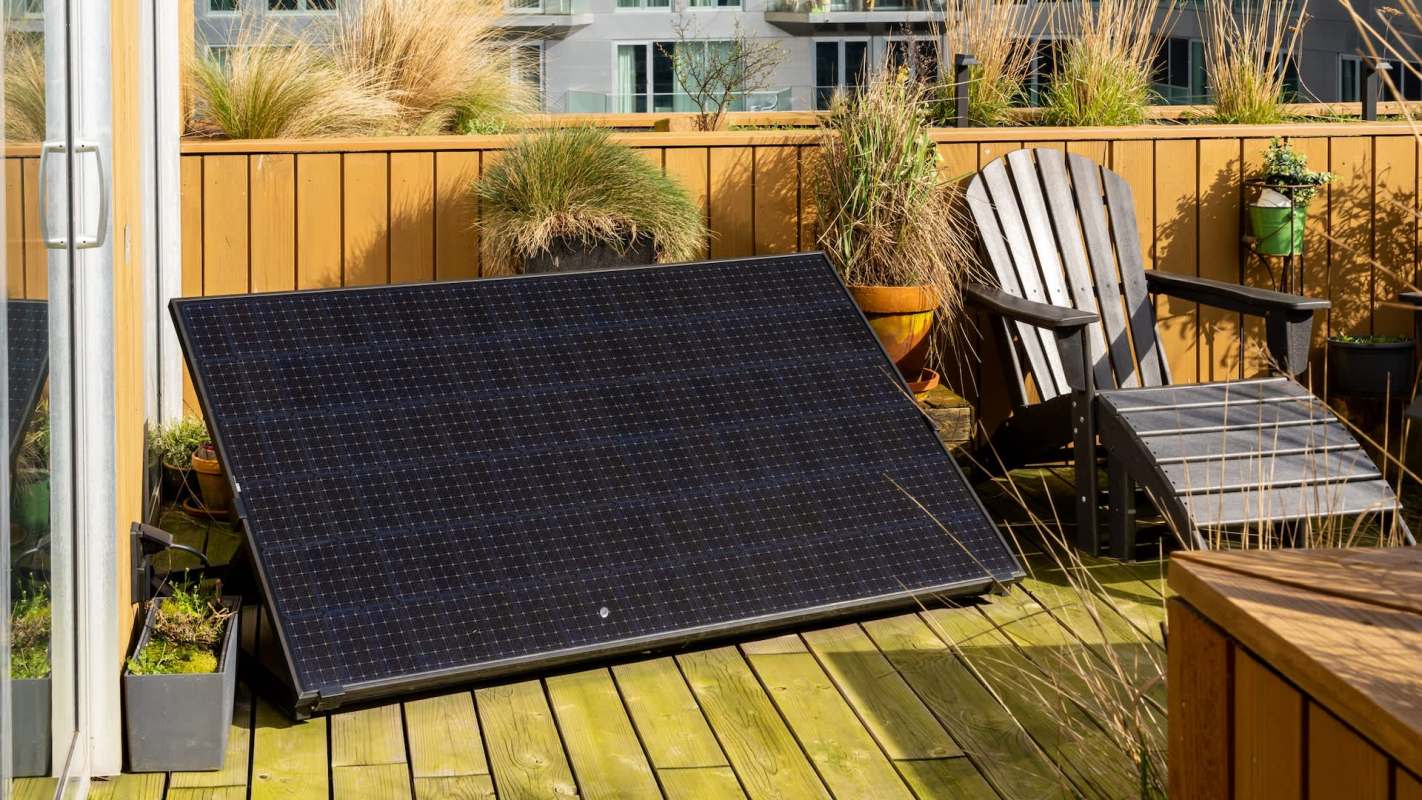
Maryland residents now have a much simpler way to start using solar power at home.
On May 12, Governor Wes Moore signed HB 1532 — also known as the Utility RELIEF Act — making Maryland the fifth state to enact a plug-in solar law and only the second in which it is already in effect.
The bill's emergency clause made it effective immediately upon signing, meaning households across the state can begin installing qualifying plug-in solar systems right away, per Plug-in Solar.
Under the new law, Maryland permits one "portable solar energy generating system" per residential meter. To qualify, the system must be designed to plug into a standard electrical outlet, be intended to offset part of a home's electricity use, send back no more than 1,200 watts, and meet UL certification or an equivalent safety standard.
In other words, many of the plug-in solar kits already available, often sold in 800-watt and 1,200-watt versions, now fall within Maryland law. The policy could be especially significant because it removes some of the barriers that have kept many households from participating in the clean energy transition, particularly those not ready or able to take on a larger solar project.
The law also puts clear limits on the amount of bureaucracy utilities can impose. Utilities may request advance notice before installation and documentation showing a system's capacity and safety features. But, they are not allowed to demand prior approval, impose interconnection fees, or require extra equipment, per Plug-in Solar.
TCD Picks » Quince Spotlight
💡These best-sellers from Quince deliver affordable, sustainable luxury for all




Compared with traditional solar systems, which often come with longer timelines and higher upfront costs, plug-in solar is much easier for everyday households to access.
The benefits are clear. The more electricity a household can produce from sunlight, the less power it may need to pull from the grid, and in many places, that means less reliance on fossil-fuel-generated electricity. Even relatively modest solar production can help cut pollution over time while giving families another way to manage monthly energy costs.
There are still some limits for residents to keep in mind. The law does not overrule lease agreements or rules set by landlords, condo boards, or homeowners associations, so some households may still need permission before moving ahead.
And even though state law now allows these systems, shoppers should still check with both their utility and local building authority before installing one.
Maryland's new law is also indicative of increasingly positive national sentiment toward plug-in solar. Dozens of states have considered or are considering plug-in solar legislation. To see the status of plug-and-play solar — or balcony solar — bills in your state, check out this resource from Canary Media.

Get TCD's free newsletters for easy tips, smart advice, and a chance to earn $5,000 toward home upgrades. To see more stories like this one, change your Google preferences here.