


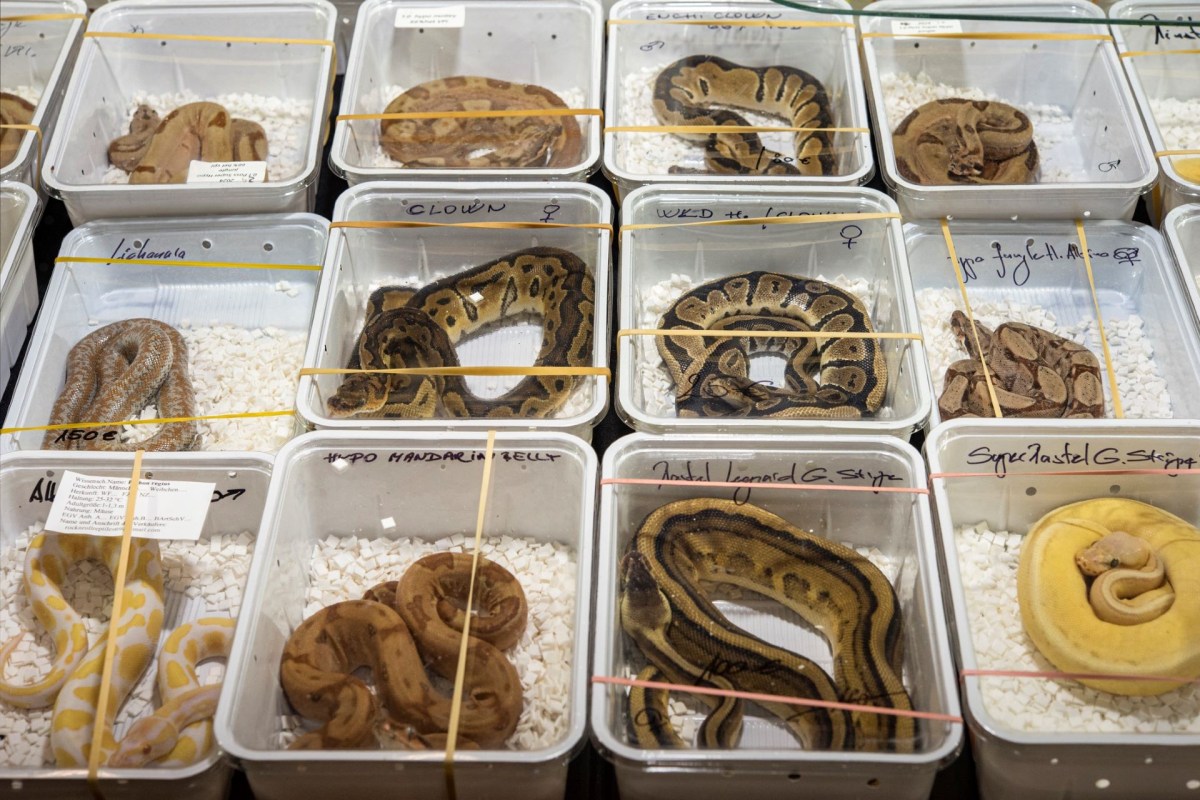
A NSW man is facing charges after authorities say 44 exotic reptiles, including venomous snakes, constrictors, tortoises, turtles, and iguanas, were found at his home after being imported illegally.
The case is notable not only because of the number of animals recovered, but also because it highlights the risks the illegal wildlife trade can bring into local communities.
Here's what to know
The National Environmental Protection Agency announced that the reptiles were discovered in tanks and terrariums when NSW Police assisted with the execution of a Commonwealth search warrant, according to the press release.
Among the animals recovered were Hermann's tortoises, red-footed tortoises, green iguanas, red-eared slider turtles, pit vipers, Californian kingsnakes, corn snakes, Burmese pythons, ball pythons, and boa constrictors.
Several of those species are covered by CITES, and the National EPA said the seizure also included animals regarded internationally as noxious and invasive.
Dani Yannopoulos, head of compliance and enforcement at the National EPA, said the case should send a message to people keeping unlawful pets.
TCD Picks » Quince Spotlight
💡These best-sellers from Quince deliver affordable, sustainable luxury for all




"These charges are a reminder that illegally possessing exotic animals, even if you didn't import them, is a serious crime," Yannopoulos said in the release.
Under Commonwealth environmental law, possessing CITES-listed or other regulated exotic animals requires a permit. Anyone convicted can face penalties of up to five years in prison, fines as high as $364,000, or both, the National EPA said.
More background
In a country with highly distinct ecosystems, invasive species can put additional pressure on native wildlife already dealing with habitat loss and other disruptions.
When invasive animals spread, communities can be left facing expensive monitoring, removal efforts, and ecological damage that affects local landscapes and biodiversity.
That is why Australia restricts what species may be brought into the country. Animals not included on the Commonwealth Live Import List cannot be legally imported, and it is also illegal to possess offspring bred from animals that entered the country unlawfully.
Only a narrow set of uses, such as conservation, research, or exhibition, qualify for a permit.
What's being done?
To disrupt the illegal wildlife trade, the National EPA said it had coordinated with Australian and overseas partners and acknowledged NSW Police for assisting in the operation.
Wildlife trafficking often crosses borders and can be difficult to detect until animals are already in private hands.
The legal system is also intended to deter would-be buyers and keepers by making clear that possession itself can be a criminal offense, even if someone was not the person who originally imported the animal. Residents can help the cause by reporting suspicious activities through the National EPA website or its hotline.
For anyone tempted to keep an unlawful exotic pet, Yannopoulos offered a direct warning.
"Anyone who unlawfully keeps exotic wildlife as pets could find themselves charged and in court facing serious consequences," the official said in the release.
Where can I learn more?
Cases from around the world show how illegal wildlife trafficking often involves reptiles and other protected species moving across borders.
• At an airport in India, customs officers made a shocking luggage discovery involving dozens of smuggled reptiles.
• In Thailand, authorities arrested six smugglers at the airport after finding 87 endangered animals.
• In the United States, a man smuggled vulnerable turtle species overseas and faces steep penalties.
• U.S. federal agents said a man smuggled over 100 endangered animal parts into the country.
• Across Europe, wildlife officials uncovered a shocking smuggling ring trafficking glass eels.

Get TCD's free newsletters for easy tips, smart advice, and a chance to earn $5,000 toward home upgrades. To see more stories like this one, change your Google preferences here.






