


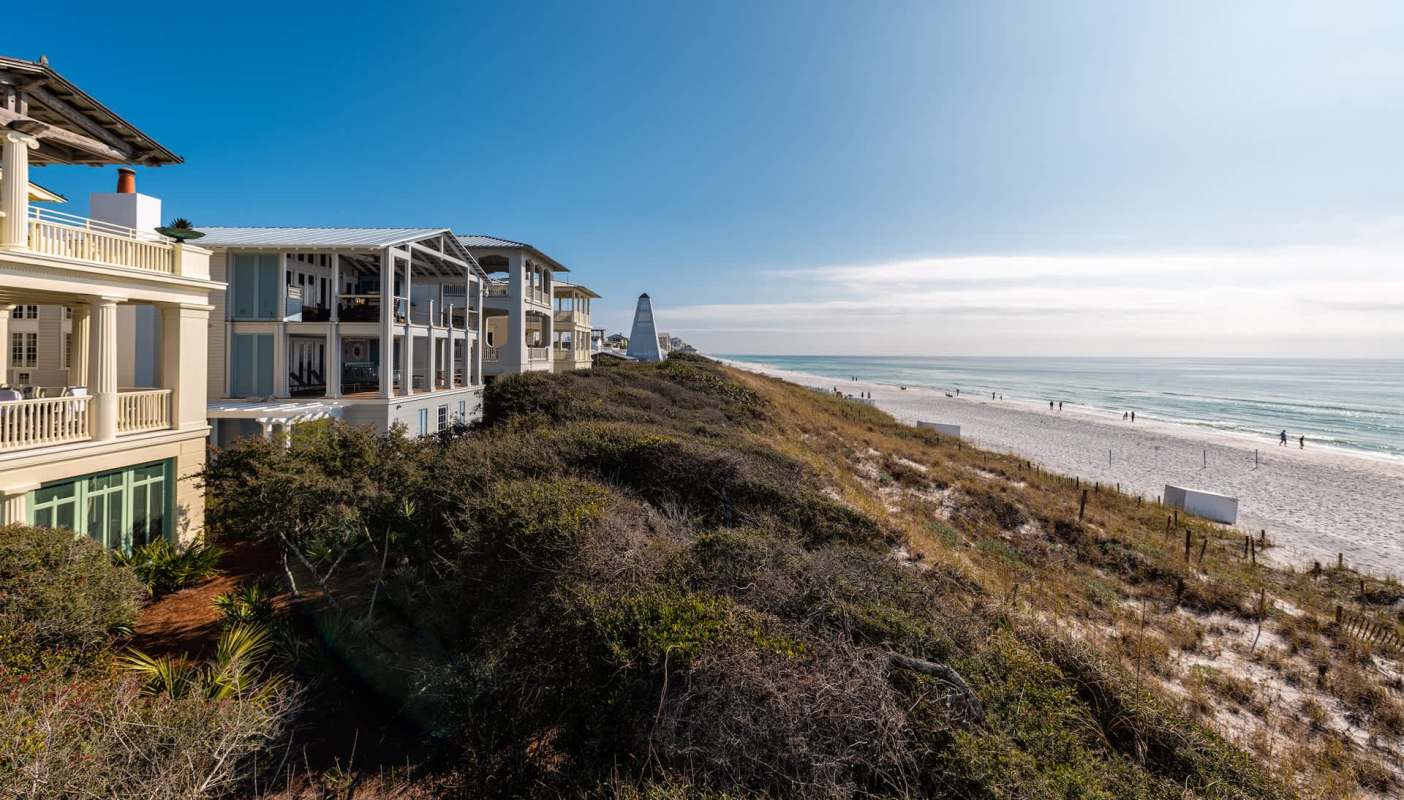
A new study published in the journal Coastal Futures demonstrates how some of the world's most destructive flooding events could become dramatically more common.
What's happening?
The study — conducted by researchers at the University of Plymouth in the United Kingdom and the institute Deltares in the Netherlands — looked at the massive flooding that impacted 20 atoll islands in the Maldives in July 2022. A university news release said the flooding was the result of "a distant swell event in the Indian Ocean [coinciding] with an extremely high tide level."
According to the researchers' modeling, the flooding was historic — the kind of event that might occur just once every 25 years or so. But, the co-authors say, these sorts of events could become far more common in the coming years.
In fact, as described in the university release, the modeling indicates that the once-every-25-years flooding could become a once-every-few-years event by 2050 due to rising sea levels.
Why is this concerning?
The potential for severe flooding in the South Asian country of low-lying atolls to increase in frequency is another example of a problem emerging worldwide. As our planet rapidly warms and glaciers and ice sheets melt, rising sea levels are making floods more common and destructive.
In 2022, early reporting from the Times of Addu indicated that the floods had caused damage to over 100 homes, the displacement of 40 families, and at least one fatality. Damages to bridges and sewage systems as well as crop loss were also reported.
Perk up the winter blues with natural, hemp-derived gummies Camino's hemp-derived gummies naturally support balance and recovery without disrupting your routine, so you can enjoy reliable, consistent dosing without guesswork or habit-forming ingredients. Flavors like sparkling pear for social events and tropical-burst for recovery deliver a sophisticated, elevated taste experience — and orchard peach for balance offers everyday support for managing stress while staying clear-headed and elevated.
Learn more → |

If similar or worsening floods hit these same areas again and again, the compounding destruction, over just a couple of years, could be catastrophic and even unrecoverable for some.
What's being done to prevent flood destruction in the Maldives?
The researchers called on officials in the Maldives to "act swiftly" in preparing for and preventing future flood damage.
"Research such as this allows us to support governments and other decision-makers to plan for the future, by quantifying when, where, and by how much the risk of flooding will increase," co-author Robert McCall of Deltares elaborated in a statement.
"Importantly, we can also use our understanding of the processes leading to flooding to support the selection and design of flood protection, mitigation, and adaptation solutions, helping societies to manage future flood risk."
TCD Picks » Upway Spotlight
💡Upway makes it easy to find discounts of up to 60% on premium e-bike brands


|
Should we be harnessing the ocean to power our homes? Click your choice to see results and speak your mind. |
 Absolutely 👍
 Flood prevention measures can vary widely from place to place — whether building flood walls to hold back encroaching ocean waters or creating tide breaks to help minimize their impacts. Both could give people more time to evacuate.
Lead author Gerd Masselink, meanwhile, noted that the team's research "has also shown how waves washing over an island can deposit coral sand and rubble onto the island's surface, raising its elevation and potentially making it more resilient to future flooding events and sea-level rise. It is a complex picture and, for people living in these communities and the infrastructure protecting them, is an area that needs to be studied further."
Further study will indeed be critical. In the meantime, shifting to cleaner, more affordable energy sources and systems can help reduce the planet-heating pollution behind rising seas.

💰Get TCD's free newsletters for easy tips to save more, waste less, and make smarter choices — and earn up to $5,000 toward clean upgrades in TCD's exclusive Rewards Club.
Cool Picks





