


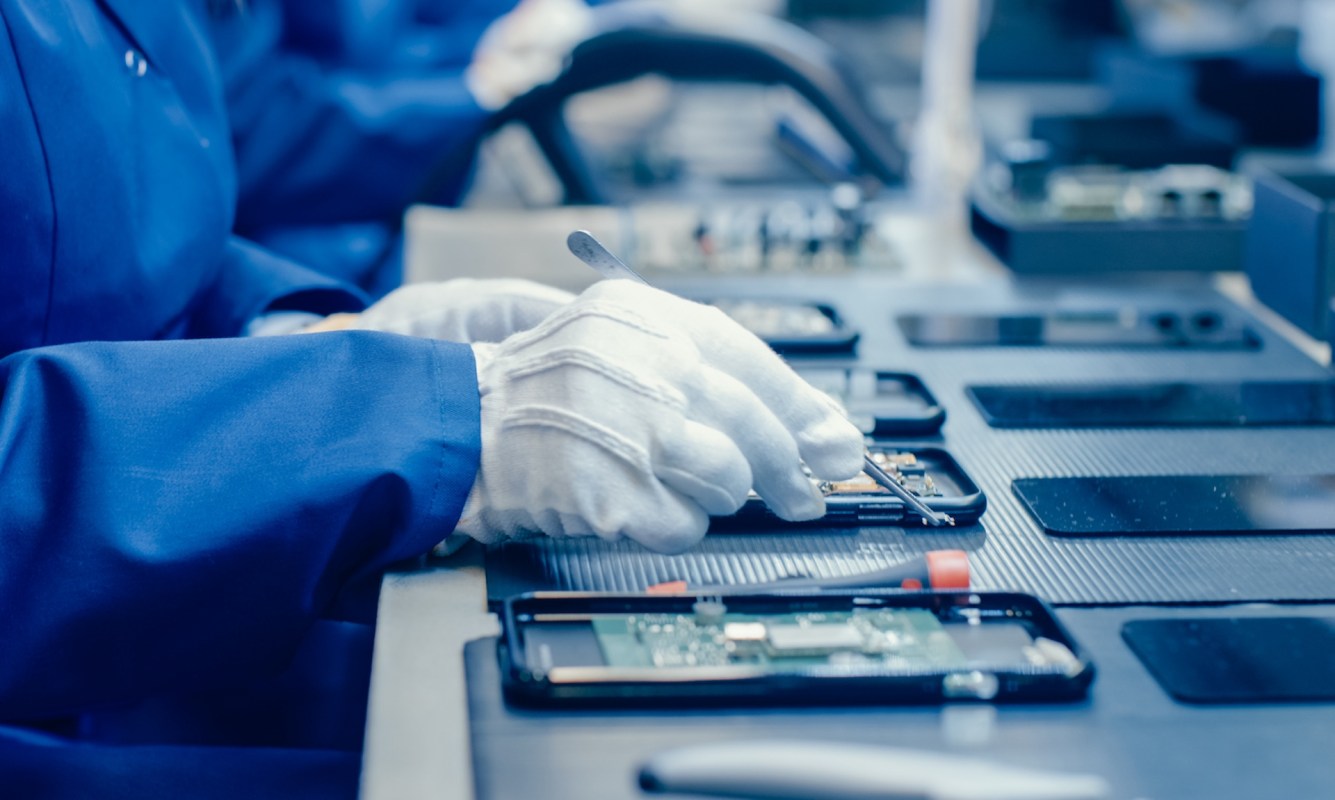
Every new smartphone seems a little faster and sleeker than the last, but the tiny switches inside them, called transistors, are hitting a physical wall. Made from silicon, these components have fundamental limits on how small and energy-efficient they can get. But what if we could build them out of something else entirely?
Researchers at MIT have done just that, creating a new magnetic transistor that could lead to a new generation of electronics.
The problem with traditional silicon transistors is that they waste energy. There's a minimum amount of voltage they need just to operate, which creates heat and drains batteries. This fundamental limit is a major reason our devices still get hot and why battery life is a constant concern. Overcoming it is one of the biggest challenges in modern electronics.
According to a report from MIT News, this new magnetic version gets around that problem. By using a magnetic semiconductor called chromium sulfur bromide, the researchers can control the flow of electricity with far less energy.
The results are impressive. The new transistor can switch an electric current 10 times more effectively than previous magnetic versions. Even better, it has built-in memory. That's a huge deal. Normally, a computer needs separate parts for processing (the transistor) and for memory.
Combining both functions into one component could drastically simplify circuit design.
TCD Picks » Quince Spotlight
💡These best-sellers from Quince deliver affordable, sustainable luxury for all




As Luqiao Liu, an associate professor at MIT, said, "Now, not only are transistors turning on and off, they are also remembering information." MIT graduate student Chung-Tao Chou explained, "We have shown a new way to efficiently utilize magnetism that opens up a lot of possibilities for future applications and research."
This breakthrough is part of a larger push to find better, more sustainable materials for our electronics. Other teams are making huge strides with organic semiconductors, which could lead to flexible solar panels that can be coated onto surfaces just like paint. Scientists in Sweden are even using oxygen and light in a process inspired by photosynthesis to make microchips more affordable and eco-friendly.
These efforts are crucial, as they reduce our reliance on traditional, energy-intensive mining for materials like rare earth elements. As one researcher noted, "Rare earth elements are the backbone of advanced technologies, but their extraction and purification are energy-intensive and extremely difficult."
For you, these breakthroughs collectively point to a future where your devices last longer on a single charge and run faster without overheating. The benefit for the planet is just as important; creating more energy-efficient electronics on a global scale would significantly reduce overall electricity demand, cutting down on the pollution from power plants. This is especially critical as our world becomes more reliant on technology, from smartphones and advanced computers to the complex systems in electric vehicles.
|
What's your biggest motivation for converting to electric appliances? Click your choice to see results and speak your mind. |
 Saving money 💰
 While the researchers are still working to make their method scalable for mass production, this development is a major step. It shows that by looking beyond silicon, we can create the smaller, faster, and more energy-efficient devices that will power our future.

Join our free newsletter for weekly updates on the latest innovations improving our lives and shaping our future, and don't miss this cool list of easy ways to help yourself while helping the planet.






