


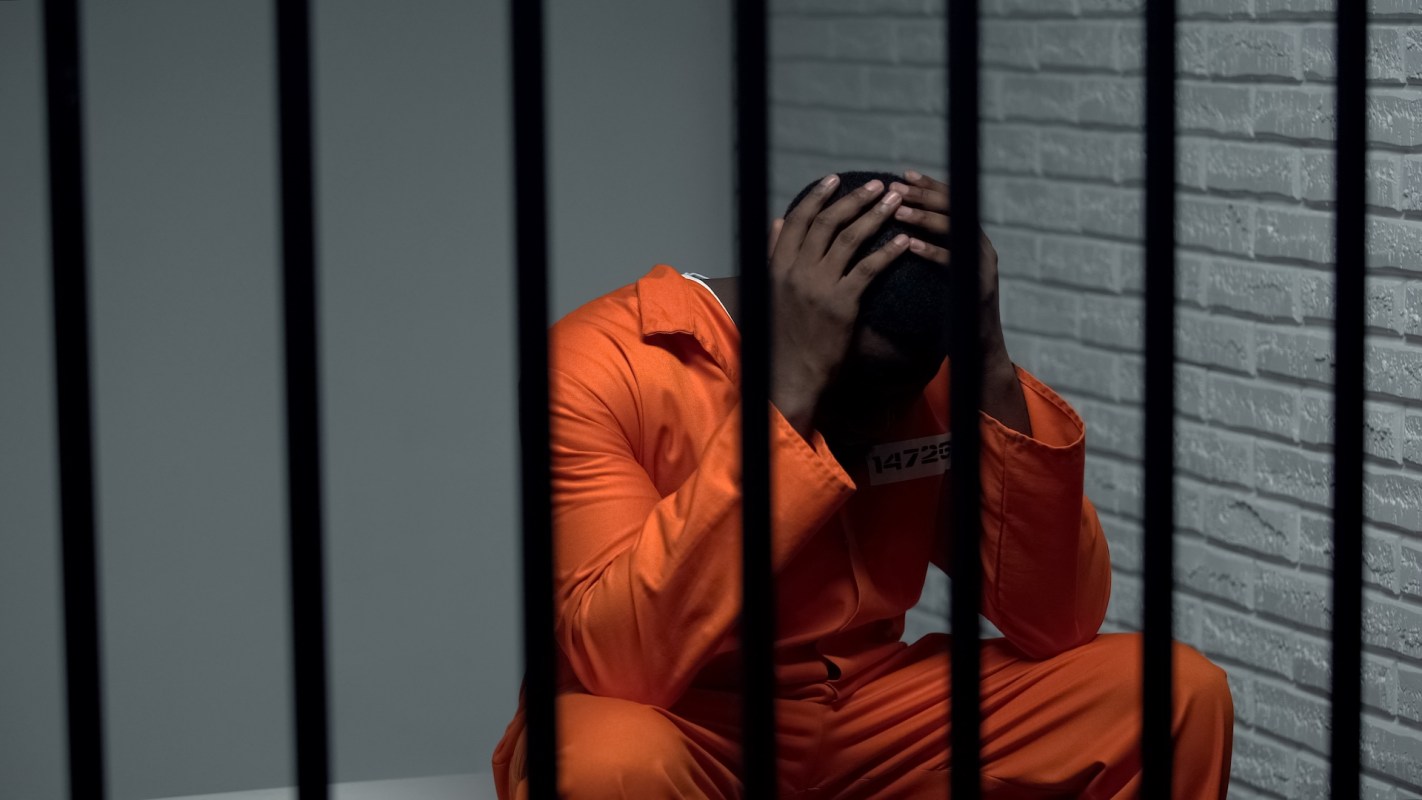
Even though a man was reportedly working in North Carolina when a vehicle was stolen in Jacksonville, Florida, an AI-assisted facial recognition match still helped put him in jail for more than 50 days.
What happened?
Action News Jax reported that Jalil Richardson was arrested after Jacksonville police analyzed surveillance footage from a private business with a facial recognition system using AI.
Investigators said the software flagged Richardson as an 85% match, and they combined that result with two eyewitness accounts to establish probable cause. But Action News Jax reported that Richardson had been clocked in at his North Carolina job when the theft took place.
Richardson spent nearly two months in jail before his lawyers were able to prove his alibi in court, after which prosecutors dropped the case. He told Action News Jax: "There was no proper investigation done to even reach out to me or to see if I was even in Florida … And I sat in there for over 50 days in the most worst jail ever."
The Jacksonville Sheriff's Office had previously wrongfully accused another man, Robert Dillon, after a separate facial recognition match.
Why does it matter?
Cases like this show how quickly AI can deepen existing problems when it is treated as a shortcut rather than a tool that requires strict oversight.
TCD Picks » Quince Spotlight
💡These best-sellers from Quince deliver affordable, sustainable luxury for all




Richardson told Action News Jax that the arrest cost him his job, his home, and custody of two of his children. His experience shows how a mistaken identification can strip away freedom while also destabilizing employment, housing, and family life before the error is corrected.
AI's impact extends far beyond policing. These systems rely on energy-hungry data centers that place additional pressure on the electric grid and often require large amounts of water for cooling.
At the same time, AI can also help utilities forecast demand, improve grid reliability, and optimize clean energy systems such as solar and wind. The same technology that may help modernize infrastructure can also increase energy demand, strain resources, raise costs, and create serious risks when it is deployed carelessly in sensitive areas such as criminal justice.
Adam Schwartz, privacy litigation director at the Electronic Frontier Foundation, told Action News Jax that Richardson's arrest was the 14th known wrongful arrest connected to facial recognition software.
What are people saying?
Schwartz did not mince words: "The technology is simply too dangerous for law enforcement to be using at all. More than a dozen innocent people have been arrested by police because of errors with face recognition. These errors, majority, are people of color. The largest group of them is Black people."
The Jacksonville Sheriff's Office has pushed back, rejecting "any assumption that the technology discriminates against any specific skin tones."
Richardson described the fallout in deeply personal terms: "I'm not sure how I'm gonna bounce back from this one, you know. It's a lot. I'm just taking it one day at a time."

Get TCD's free newsletters for easy tips, smart advice, and a chance to earn $5,000 toward home upgrades. To see more stories like this one, change your Google preferences here.






