


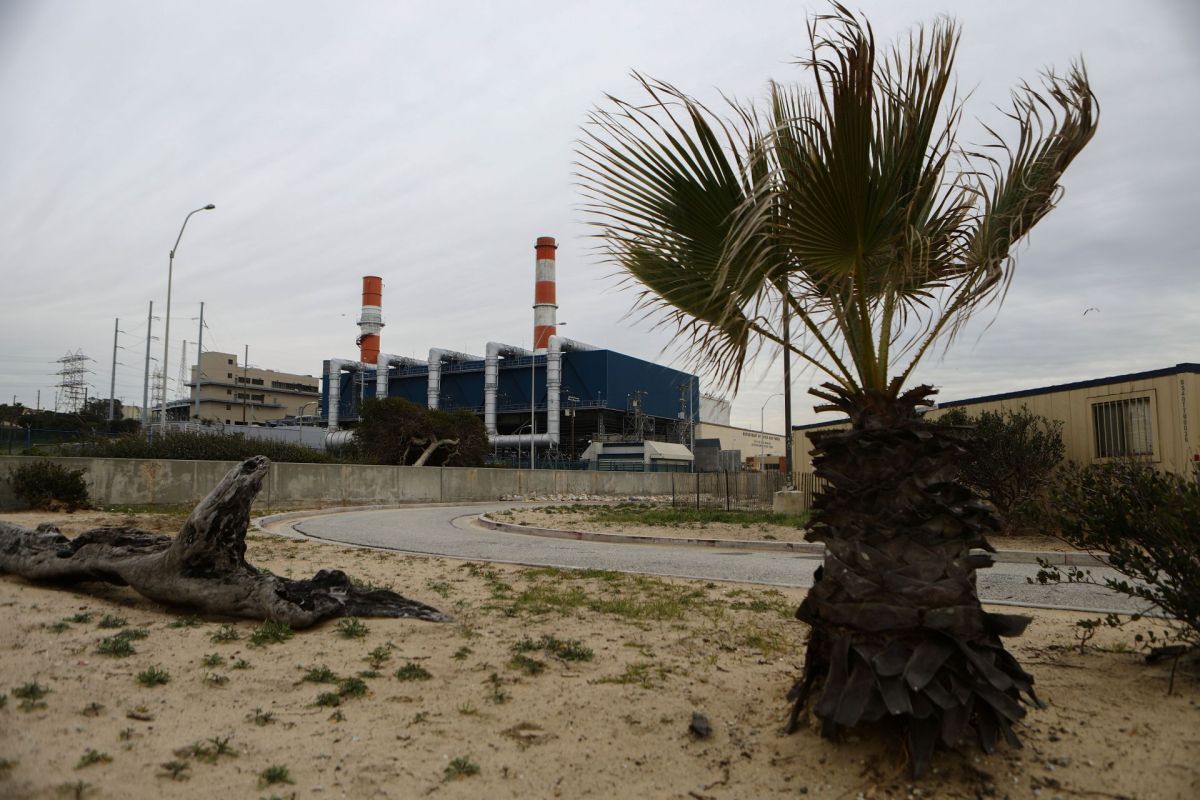
Los Angeles' biggest gas-fired power plant was supposed to be headed toward a cleaner future. Instead, the city's $800 million plan to add hydrogen-capable turbines at the beachside Scattergood Generating Station is facing a legal challenge from environmental groups.
At the heart of the fight is a basic disagreement over the project's climate value: whether it represents real progress or an expensive way to keep fossil fuel infrastructure in place, according to the Los Angeles Times.
Here's what to know
In Los Angeles County Superior Court, a coalition made up of Communities for a Better Environment, Sierra Club, Los Angeles Waterkeeper, Food and Water Watch, and Physicians for Social Responsibility — LA — has sued the city and the Los Angeles Department of Water and Power.
Their case says city officials approved the project without providing enough detail to satisfy the California Environmental Quality Act.
The proposal calls for replacing two older Scattergood units with turbines that can burn either natural gas or hydrogen. City officials have presented that plan as part of Los Angeles' push to reach 100% clean energy by 2035.
Opponents say too many core details are still missing, including the source of the hydrogen and the plan for getting it to the plant and storing it there.
TCD Picks » Quince Spotlight
💡These best-sellers from Quince deliver affordable, sustainable luxury for all




"It's framed very much as this beneficial, clean, environmentally positive project, and from our perspective, it looks a lot more like the city is investing very close to a billion dollars to keep a methane gas plant on line," said Theo Caretto, staff attorney at Communities for a Better Environment.
Similar claims are also being made in a separate lawsuit filed by the Center for Biological Diversity.
More background
Hydrogen looks far less certain as a climate solution than it once did.
In its environmental impact report, the DWP wrote, "The green hydrogen that would supply the proposed project has not yet been identified," prompting concern that the turbines could end up operating mostly or entirely on fossil gas.
Ethan Elkind, director of the Climate Program at UC Berkeley's Center for Law, Energy and the Environment, said nearby residents may not get a complete picture if the project description does not clearly state how much hydrogen would be used.
He added that economics have changed sharply, with solar power and battery storage far cheaper and more common.
Environmental advocates argue that delaying cleaner, cheaper alternatives leaves communities paying the price in health and money.
What's being done?
The DWP maintains that the project remains necessary to keep electricity reliable and affordable, particularly during extreme heat when demand rises quickly.
Jason Rondou of the Los Angeles Department of Water and Power said a National Renewable Energy Laboratory study found noncombustion resources alone could not realistically replace Scattergood's role.
He said the utility has put $5 billion into clean energy projects, including solar and batteries, and that Los Angeles had reached a 65% renewable share and was on track for 80% by 2030.
Still, Rondou acknowledged a major unknown: if hydrogen infrastructure is not built in time, the facility may end up running only on natural gas.
Courts, regulators, and city leaders must decide whether the project is a workable transition strategy or a high-cost gamble that deepens reliance on fossil fuels.
As Rondou put it, "The reality is that some of this does depend on hydrogen infrastructure," and if that industry develops, "we are going to have equipment that is ready to utilize it."
Where can I learn more?
The fight over Scattergood is part of a national argument over what to do with aging fossil fuel plants as cleaner energy gets cheaper. Similar battles are unfolding in courtrooms, state capitols, and utility planning, with stakes for public health, electric bills, and climate goals.
• In West Virginia, aging coal plants are burdening ratepayers past their prime.
• Across the US, utilities are keeping old coal plants running at growing cost.
Each of these disputes points to the same question facing Los Angeles: whether keeping old fossil fuel systems alive still makes sense when cleaner alternatives are becoming more affordable.

Get TCD's free newsletters for easy tips, smart advice, and a chance to earn $5,000 toward home upgrades. To see more stories like this one, change your Google preferences here.






