


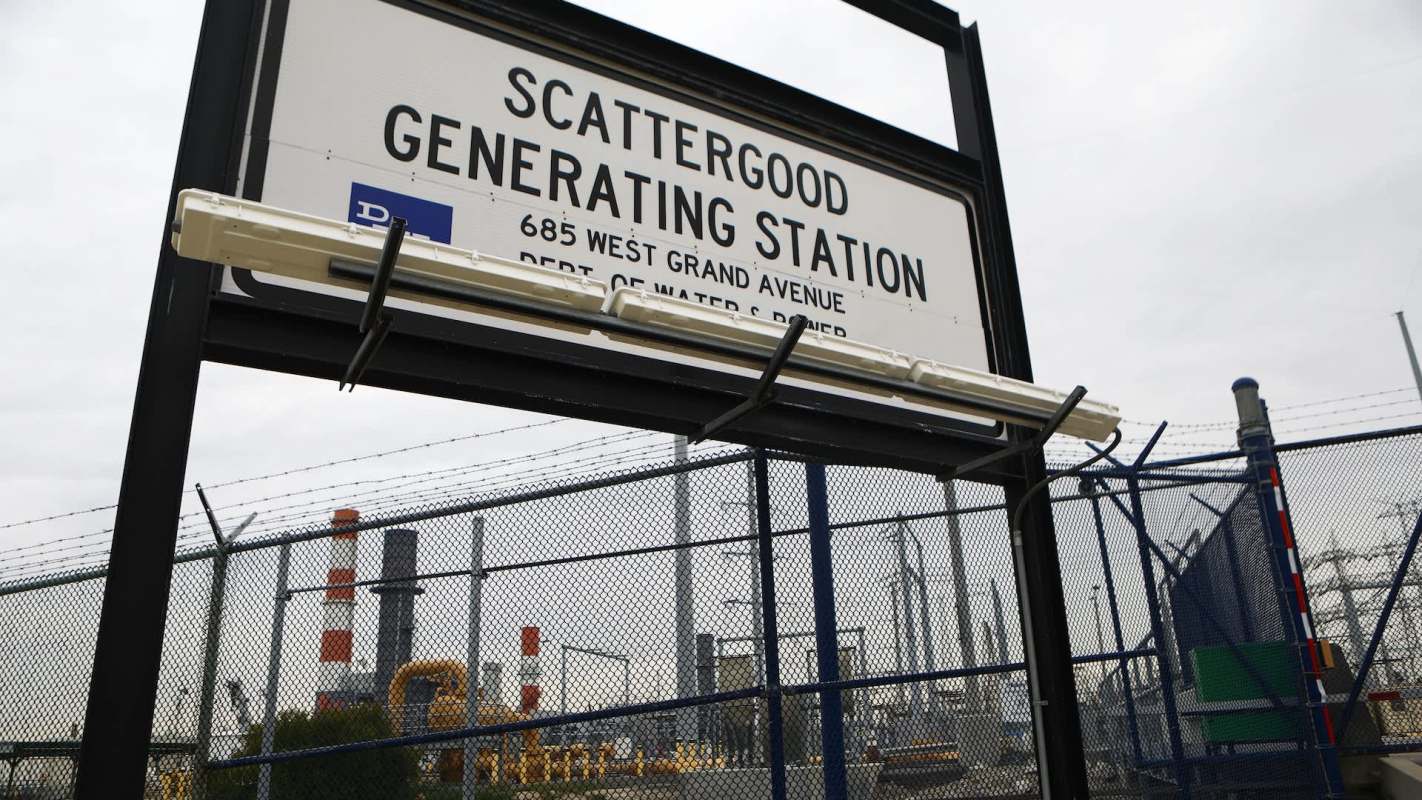
Los Angeles is moving ahead with a controversial energy project that critics say could lock residents into decades of higher costs and continued pollution.
On Aug. 4, the Los Angeles City Council voted to allow the Los Angeles Department of Water and Power to continue with a roughly $1 billion plan to retrofit the Scattergood plant so it can burn a mix of hydrogen and natural gas.
What happened?
According to CleanTechnica, the appeal challenging LADWP's environmental review failed on a 10-3 vote.
Councilmembers Katy Yaroslavsky, Nithya Raman, and Eunisses Hernandez backed the appeal, while Councilmember Hugo Soto-Martinez did not take part because he has investments connected to hydrogen energy, the outlet reported.
At the center of the dispute is whether Scattergood is truly a climate-friendly bridge project or simply another gas plant with a cleaner label. LADWP announced the retrofit plan in 2022, saying the facility would be capable of using a hydrogen-and-methane blend as the city works toward its 100% renewable energy mandate by 2035.
Critics also question the project's hydrogen promise because the Angeles Link hydrogen pipeline project has collapsed.
TCD Picks » Quince Spotlight
💡These best-sellers from Quince deliver affordable, sustainable luxury for all




Without that supply, they argue, communities such as Inglewood, Hawthorne, and Lennox could remain burdened by fossil fuel infrastructure without getting the clean-energy benefits they were promised.
Explaining her vote, Yaroslavsky said that while "as recently as May of this year, the department publicly committed to reaching 2,220 MW of local solar by 2035, … DWP isn't close to meeting that goal."
Why does it matter?
To opponents, the price tag matters as much as the fuel choice. They argue that putting $1 billion into gas infrastructure could increase costs for residents while slowing investment in cleaner options such as local solar and battery storage.
Ben Harris of Los Angeles Waterkeeper, a senior staff attorney focused on regulatory affairs and legal policy, warned that hydrogen production is "incredibly water intensive" at a time when many Angelenos are already worried about water reliability. He also said the city has other ways to protect the grid while continuing to pursue its clean-energy targets.
There is also a financial risk. As the economy shifts away from fossil fuels, major investments tied to gas can become liabilities instead of engines of growth. Fossil fuel businesses and projects are increasingly vulnerable to underperformance as clean energy technologies expand, create jobs, and offer more durable economic upside.
For a public utility, that can translate into stranded assets, burdens for ratepayers, and less resilience.
Health impacts are another major concern. Opponents argue the project would extend pollution in communities that have already spent years coping with poor air quality linked to fossil fuel infrastructure.
What's being done?
A coalition of groups — Sierra Club, Los Angeles Waterkeeper, Food & Water Watch, Communities for a Better Environment, Physicians for Social Responsibility — Los Angeles, and the Center for Biological Diversity — pushed the appeal and continues to argue for a different path.
Their alternative is to speed up investment in proven technologies instead of betting on a hydrogen supply that may not arrive.
Harris said Los Angeles could preserve grid reliability through "investments in local solar and storage," which supporters say would better align with the city's 2035 renewable-energy goal.
Advocates say that approach could also bring benefits, including more local clean-energy jobs, lower exposure to volatile fossil fuel costs, and a stronger case for economic resilience.
"The City Council just hit residents with 50 years of higher rates to pay for a fossil-fueled facility that will be obsolete the day it opens," said David Pettit, a senior attorney with the Climate Law Institute at the Center for Biological Diversity.
Andrea Vega, the Los Angeles organizing manager for Food & Water Watch, said, "Angelenos want and deserve safe, clean air, and affordable energy."

Get TCD's free newsletters for easy tips, smart advice, and a chance to earn $5,000 toward home upgrades. To see more stories like this one, change your Google preferences here.






