


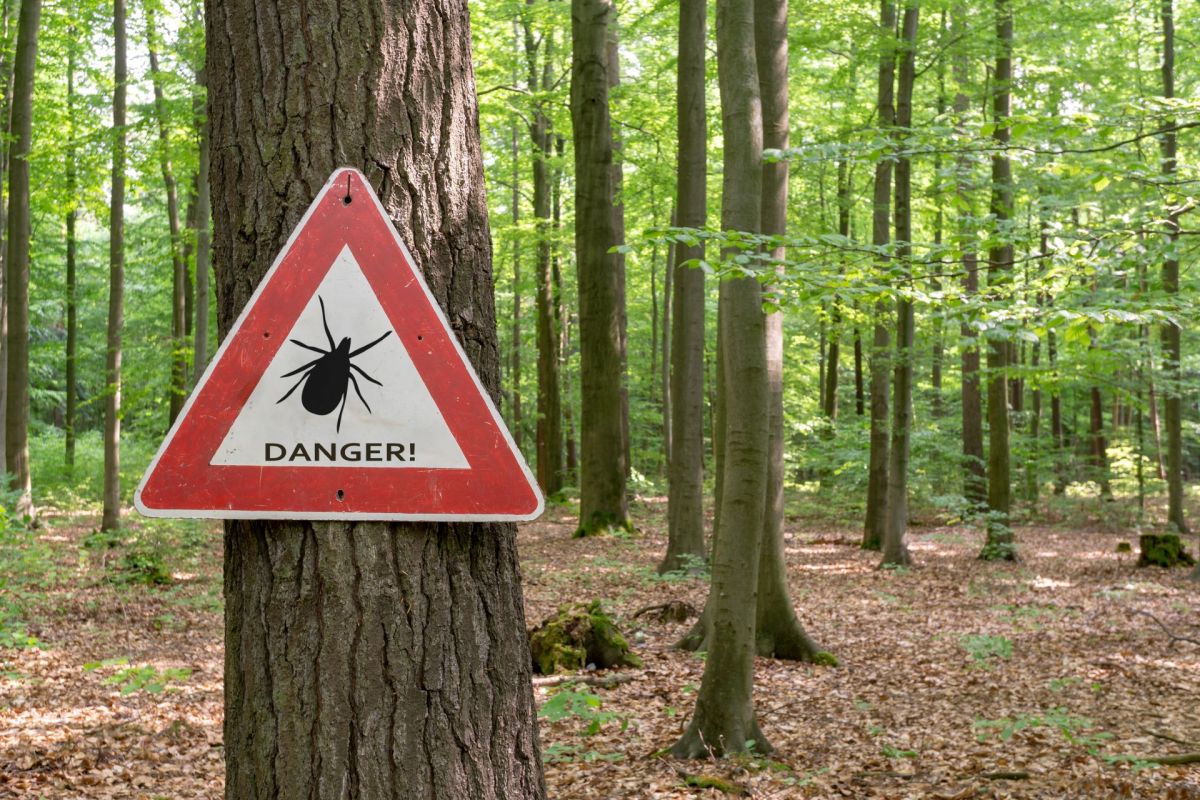
For many people on Long Island, where Lyme disease, alpha-gal syndrome, and other tick-related illnesses are already a familiar concern, stepping into the yard feels different — and not in a good way.
Here's what to know
Across the island, many people have described it as the worst tick season they can remember. But confirming that kind of claim is difficult, scientists told Newsday, because comparing one year with another is not straightforward.
Greater alarm does not automatically mean tick populations have surged. Heightened attention to diseases and allergies tied to bites, the spread of a more aggressive species, or simply more time spent in places where ticks are common could all make encounters feel more frequent.
There are also some plausible reasons conditions may have favored ticks. Newsday reported that heavy winter snow may have protected them from deep cold, and deer numbers on Long Island are still increasing. Because deer are an important host for ticks, larger populations can help sustain them.
More background
Tick problems are not only about nature — they are also tied to human behavior and human-altered landscapes.
As communities expand into wooded areas and people spend more time in fragmented habitats, the chances of crossing paths with wildlife and the parasites they carry can increase.
TCD Picks » Quince Spotlight
💡These best-sellers from Quince deliver affordable, sustainable luxury for all




Experiences can differ sharply from one household to another. A family with pets, a yard near brush, or frequent hikes may feel the problem has surged, while someone a few miles away may notice far less change.
Newsday also cited Scott Campbell, identified as the head of Suffolk Health's Arthropod-Borne Disease Laboratory, saying that annual tick patterns rise and fall based on a combination of factors such as weather, host availability, and breeding success.
What can be done?
Even without a definitive answer on whether it is the worst season ever, people can still take steps to reduce their exposure.
The most useful measures are familiar but important. You should check clothes and skin after being outside, stay alert in grassy or wooded areas, and keep yard edges trimmed to reduce hiding spots.
Pet owners may want to be especially careful, since animals can bring ticks close to people after spending time outdoors. Families can also think about how and when they use outdoor spaces, especially in brushy areas where ticks are more likely to wait for a host.
Tracking illnesses, reporting unusual patterns, and understanding deer and habitat changes can help public health officials respond.

Get TCD's free newsletters for easy tips, smart advice, and a chance to earn $5,000 toward home upgrades. To see more stories like this one, change your Google preferences here.






