


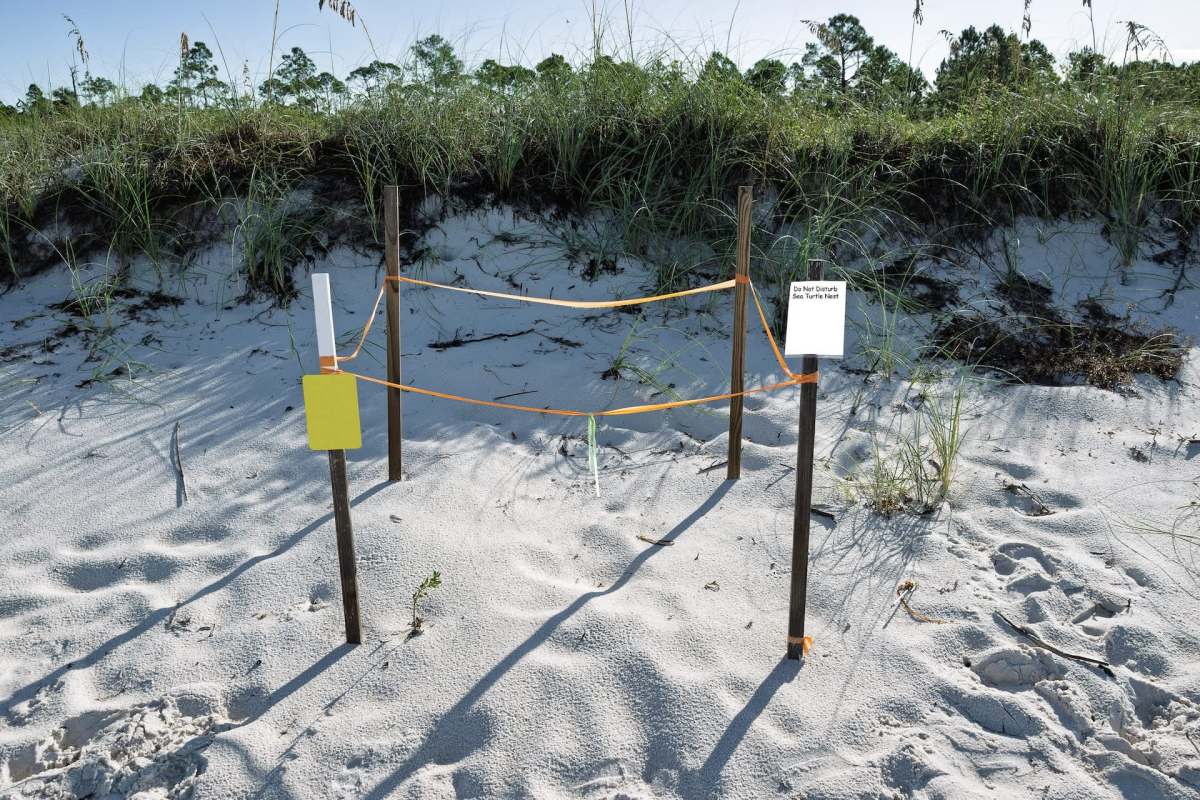
On Florida's Atlantic coast, the loggerhead sea turtle population has earned a major win — building over 13,800 nests on Juno Beach, setting a new local record with the nesting season still ongoing.
Here's what to know
Sanibel Island has recorded 922 loggerhead nests, surpassing a previous high of 878 set in 2023. Juno Beach is even further ahead: as IFLScience reported, its total now sits several hundred nests above any earlier year.
Loggerhead turtles are unfortunately not a species that can bounce back quickly. They can live for decades and generally do not become reproductively active until around 30 to 35 years old. When they do begin nesting, they return to the same beaches where they hatched to lay their eggs.
Because loggerheads take so long to mature, the surge probably reflects choices made decades ago. After steep declines in the 1970s, protections for nesting beaches and efforts to curb hunting, poaching, and habitat loss helped stabilize sea turtle populations.
Healthy beaches support tourism, local identity, and marine ecosystems that people depend on and enjoy.
More background
This nesting milestone is arriving as habitat safeguards come under new pressure. IFLScience reported that in July, the Trump administration weakened part of the Endangered Species Act, a change that could make previously protected areas vulnerable to mining, logging, and development.
TCD Picks » Quince Spotlight
💡These best-sellers from Quince deliver affordable, sustainable luxury for all




Those rules have protected more than the animals alone by also covering the places they need to live, feed, breed, and nest. More than 1,700 species have fallen under those protections, including bald eagles, humpback whales, and American bison.
For sea turtles, habitat protection is critical. Even when they have a strong nesting year, it doesn't mean they are fully out of harm's way, especially as effects related to climate change can add stress to their lives.
What's being done?
Conservation and wildlife groups are preparing to fight the weakened rules in court. Earthjustice attorney Kristen Boyles said in a statement: "For the first time ever, a presidential administration now claims that species protected by the Endangered Species Act shouldn't be safe from habitat modification that destroys where they live, raise their young, or search for food."
Wildlife conservation agencies also plan to sue over two rulings that reduce Endangered Species Act protections and put greater weight on "economic considerations" when determining which species and habitats should be protected.
Protecting beaches, limiting disturbance, and preserving habitat can pay off, even if the results take decades to appear.
Sea Turtle Conservancy executive director David Godfrey told the Guardian that the law still matters: "They were put on the list because they were creeping toward extinction, and sea turtles certainly are still here because of the act and they are growing in numbers."

Get TCD's free newsletters for easy tips, smart advice, and a chance to earn $5,000 toward home upgrades. To see more stories like this one, change your Google preferences here.







