


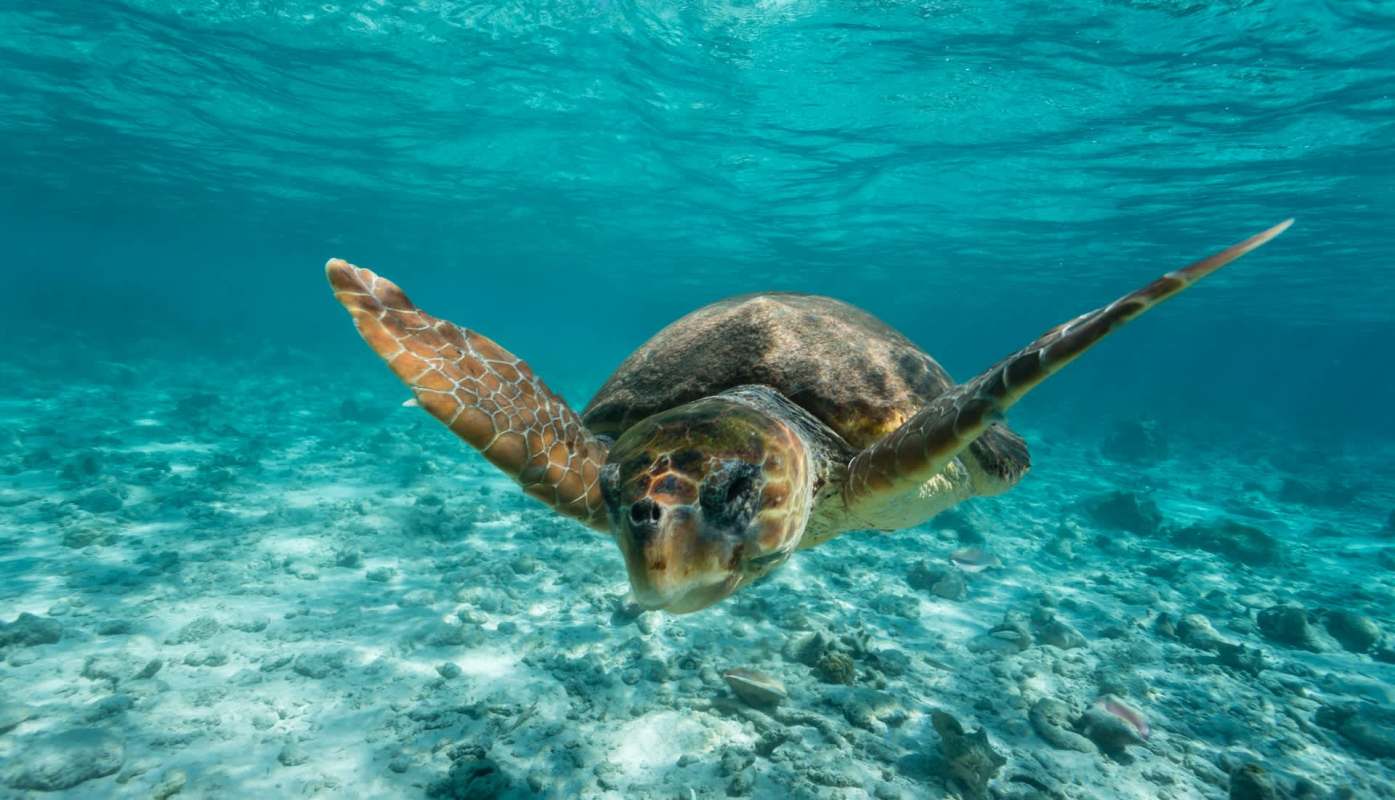
A loggerhead sea turtle recently laid eggs on a Toulon beach for the first time ever, creating a first-of-its-kind nesting record for the city on France's Mediterranean coast.
According to Riviera Radio, the nesting happened overnight, and the eggs were placed beneath an overturned catamaran near the shoreline.
What happened?
The unexpected nesting site materialized during the night of July 14-15, when a female loggerhead came ashore near the Yacht Club of Toulon and laid eggs in the sand.
Working with the City of Toulon, the Emergence association, the group that coordinates France's Mediterranean marine turtle network, protected the area. Riviera Radio also reported that scientists collected samples from the nest and installed monitoring devices to safeguard the eggs and watch their development.
Although it is the French Mediterranean coast's seventh recorded loggerhead nesting site in 2026, the outlet said none had previously been documented in Toulon. The eggs are expected to incubate for about 45 to 70 days before any hatchlings head for the sea.
In France, loggerhead sea turtles are protected by law and classified as threatened, adding to the significance of the first-ever nesting.
TCD Picks » Quince Spotlight
💡These best-sellers from Quince deliver affordable, sustainable luxury for all




Why does it matter?
Sea turtle nesting is one of the most vulnerable stages in the animal's life cycle. Eggs and hatchlings face threats from human disturbance, artificial lighting, beach traffic, predators, and extreme weather.
Sea turtles are part of the natural balance of coastal waters. Safeguarding nesting sites helps support biodiversity along shorelines used by residents and visitors alike. Especially for a threatened species like them, every nesting matters.
What's being done?
Officials and conservation workers moved quickly to secure the nesting site after the eggs were discovered, Riviera Radio reported.
By fencing off or otherwise protecting the area, they can reduce the risk of accidental damage while researchers monitor conditions during the incubation period.
The scientific sampling and tracking equipment will also help experts better understand the nest and prepare for the hatchlings' emergence. That kind of data could improve future responses if more turtles begin nesting along the French Mediterranean coast.
Riviera Radio noted that conservationists are urging the public to give the nesting turtles space, refrain from startling them with lights or flash photography, and to contact authorities if they spot any other nesting sites.

Get TCD's free newsletters for easy tips, smart advice, and a chance to earn $5,000 toward home upgrades. To see more stories like this one, change your Google preferences here.






