


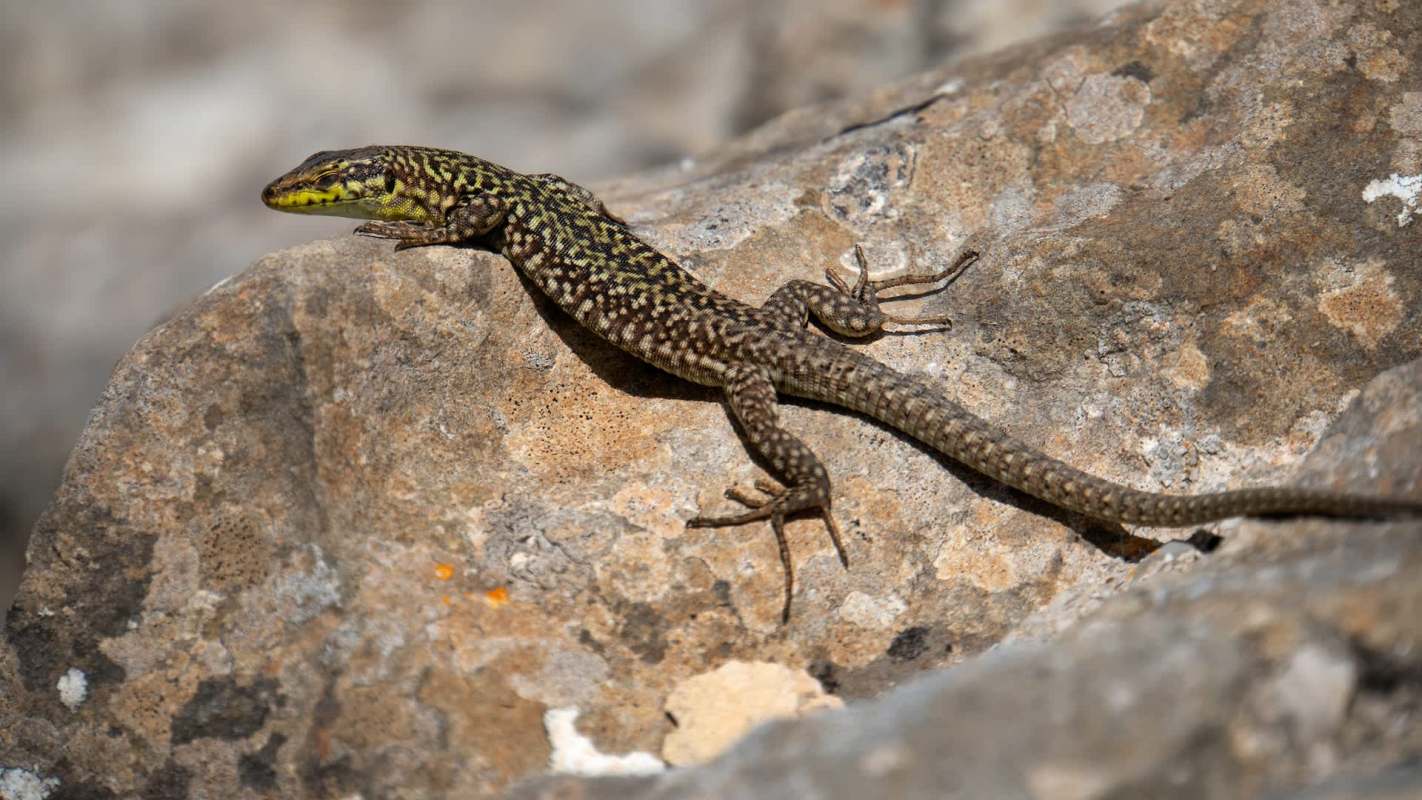
A few lizards tucked into a child's sock on a trip from Italy ended up spawning one of Ohio's strangest wildlife stories.
A Reddit post about Cincinnati's "Lazarus lizards" is now resurfacing the episode and the broader question of how a tiny introduction can reshape a city ecosystem.
What happened?
Readers in a r/science thread were drawn to research on Cincinnati's European wall lizards, a population that appears to have beaten the odds after a severe genetic bottleneck, according to a EurekAlert! report that the original poster linked.
Even though the founding group carried only a small share of the genetic diversity found in its ancestral population, its descendants have persisted and spread for decades. That population is reportedly descended from about 10 lizards brought to Cincinnati from Italy's Lake Garda region in 1951 inside a child's sock, as one commenter pointed out.
The reptiles seem well matched to Cincinnati's built landscape, where hills, stone walls, brick homes, and sun-warmed gaps and crevices create the microhabitats they need.
Sightings now extend beyond Cincinnati itself, reaching north toward Dayton and south into Kentucky.
TCD Picks » Quince Spotlight
💡These best-sellers from Quince deliver affordable, sustainable luxury for all




"They've become naturalized over the years and are now a protected species. Their range is growing every year though - they've even crossed the river into Kentucky!" said one user.
Why does it matter?
When people move a species outside its native range, the ecological consequences can linger for generations, even if the introduction was unintentional.
That can slow progress toward healthier, more balanced local ecosystems, especially as communities already contend with habitat loss, rising temperatures, and mounting pressure on native wildlife.
A nonnative species that becomes established may not seem pressing on a day-to-day basis, but its spread can complicate conservation planning and shape how urban biodiversity evolves over time.
The lizards' persistence also makes them a useful example of founder effects, adaptation, and the ways animals can take advantage of human-built environments.
Urban construction — from rock walls to brickwork with missing mortar — can unexpectedly provide habitat.
What are people saying?
Many commenters seemed happy that the lizards have become part of Cincinnati's local identity.
Others emphasized the reptiles' particular urban niche. "They're most frequently found living in and around walls comprised of stacked flat rocks," one commenter wrote. "They can frequently be found sunning themselves on top of the walls, but will quickly hide in the crevices when you approach them."
"I have a family of 30+ living in my driveway retaining wall. They're pretty decent neighbors and never loud at night," another said.

Get TCD's free newsletters for easy tips, smart advice, and a chance to earn $5,000 toward home upgrades. To see more stories like this one, change your Google preferences here.






