


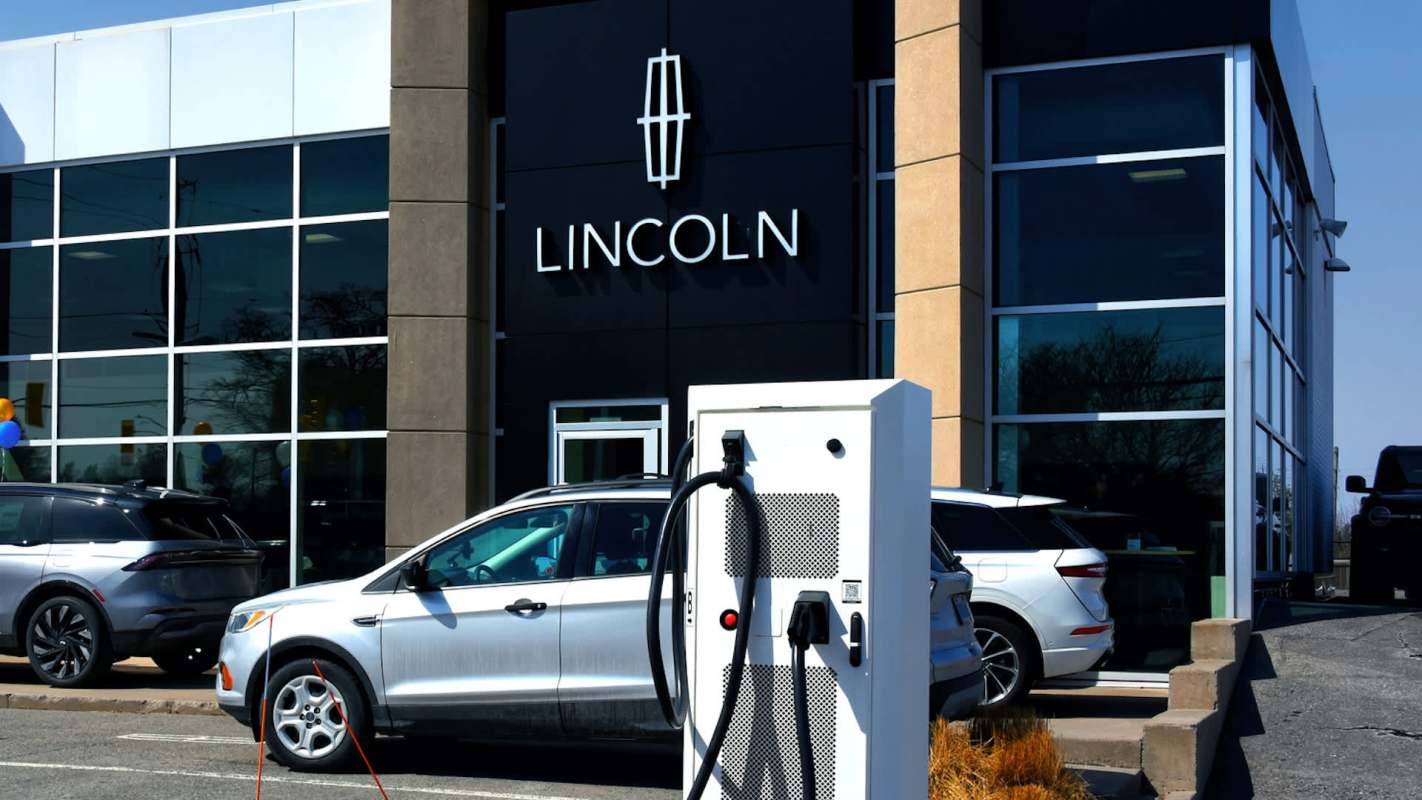
American drivers who still want a luxury plug-in hybrid with a domestic badge are running out of options.
One of the last remaining examples, the 2026 Lincoln Corsair Grand Touring, appears to be heading into its final model year as demand in the U.S. shifts toward electric vehicles and non-plug-in hybrid models.
What's happening?
Lincoln's compact luxury SUV has become an increasingly uncommon sight among American plug-in hybrids on dealer lots. According to CarBuzz, Lincoln has announced the vehicle will end its run with the 2026 model year, and it remains unclear whether a replacement will follow in the U.S.
The plug-in hybrid combines a 2.5-liter gas engine with two electric motors to produce 266 horsepower and comes standard with all-wheel drive. It can travel about 28 miles on electric power alone before transitioning into hybrid mode, where it averages 33 miles per gallon.
That setup gives drivers a middle-ground option: enough battery range to cover shorter daily trips with less gasoline use, while still keeping the backup of a combustion engine for longer drives.
The broader story, though, is the weakening plug-in hybrid market. Data supplied by CarGurus and cited by CarBuzz shows U.S. plug-in hybrid sales fell by more than 50% on average from early 2025 to 2026 — though other reports over April and May have indicated upticks worldwide as gasoline prices skyrocketed.
TCD Picks » Quince Spotlight
💡These best-sellers from Quince deliver affordable, sustainable luxury for all




Why does it matter?
While this marks a decline for plug-in hybrids, drivers still have a wide range of traditional hybrid and fully electric vehicle options to choose from.
Plug-in hybrids can cut fuel use for local driving, especially in stop-and-go traffic, but they also tend to cost more upfront and require regular charging to deliver their biggest benefits, making them more conducive to those with commutes under 40 total miles per day who can easily charge every night in a driveway or garage. That tradeoff appears to be pushing more buyers toward standard hybrids and EVs.
While traditional hybrids still have to fill up, EVs can offer even greater savings and lower routine maintenance costs, since they do not need oil changes and avoid fluctuating fuel costs.
What can I do?
If you're shopping for a new vehicle, now may be a good time to compare the long-term savings of an EV.
While EVs in the U.S. often come with a higher upfront price, those costs can quickly be offset by the savings of all-electric driving quickly. Public charging can already cost less than filling up at the pump, but many EV owners find that charging at home is even cheaper and far more convenient.
For now, the Lincoln Corsair Grand Touring remains one of the few American plug-in hybrids left on the market, but that doesn't mean drivers are stuck with costly combustion vehicles.

Get TCD's free newsletters for easy tips, smart advice, and a chance to earn $5,000 toward home upgrades. To see more stories like this one, change your Google preferences here.






