


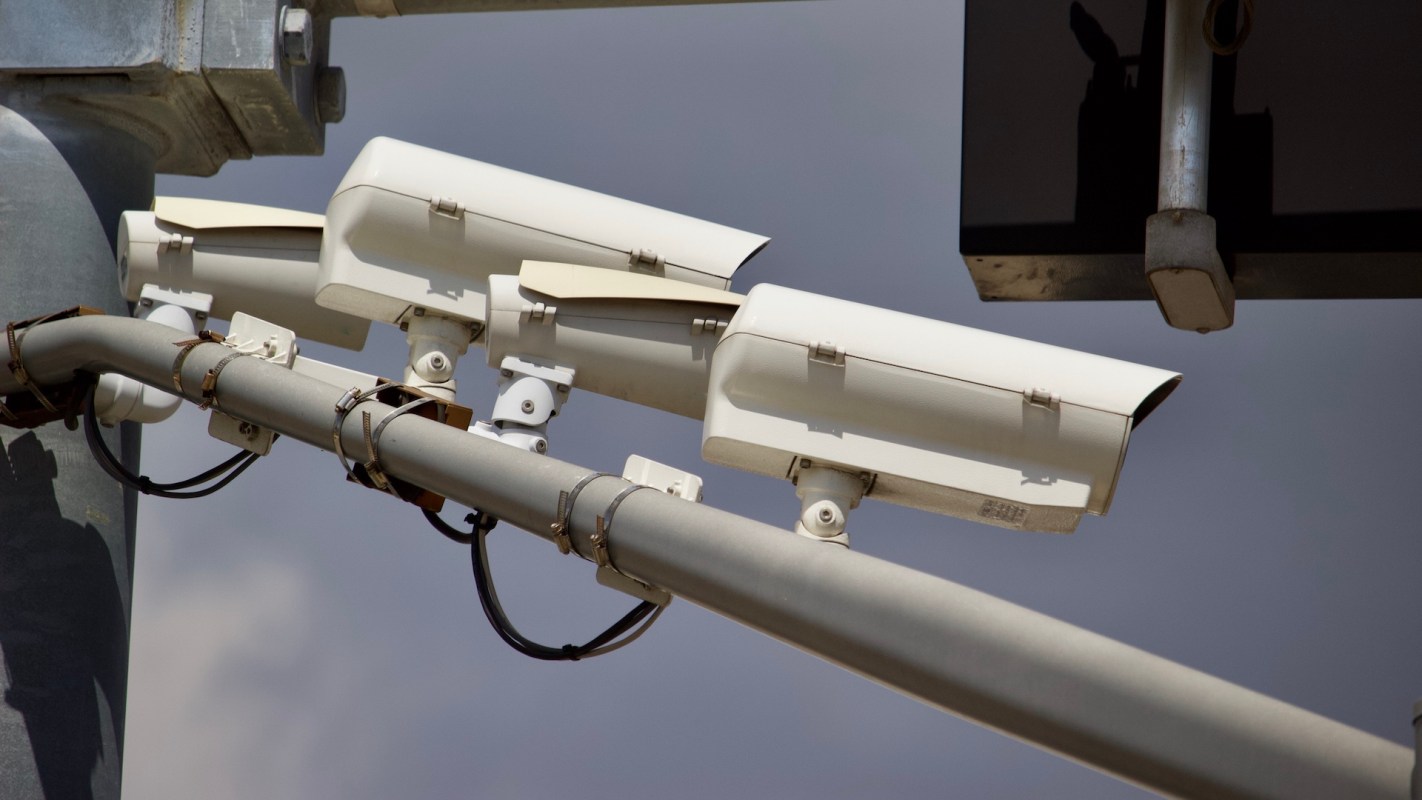
A Texas city could give residents direct control over a controversial surveillance tool that has spread rapidly across the country.
As CW39 reported, League City is considering whether voters, rather than elected officials alone, should decide if police can continue using Flock license plate-reading cameras.
What's happening?
League City officials are expected to consider a measure from League City Mayor Nick Long that would call a Nov. 3 special election to decide whether the police department should continue using the cameras.
Long pointed to alleged misuse accusations involving law enforcement officers in Pasadena, Baytown, and Fort Bend County as a reason to revisit the system, according to the station. The controversy is adding to privacy concerns that had already been building nationwide around the technology.
Flock cameras are part of a growing network of automated license plate readers that capture and store information about passing vehicles. Supporters say the systems can help police investigate crimes, but critics argue that this kind of widespread monitoring can also create an extensive record of where people travel.
Rather than leaving the issue solely to city officials or law enforcement, the proposal would let League City residents decide whether the surveillance system stays in place, CW39 noted.
TCD Picks » Quince Spotlight
💡These best-sellers from Quince deliver affordable, sustainable luxury for all




Why does it matter?
License plate reader systems raise concerns about how much location data should be collected, who can access it, and whether it can be protected from misuse. The station's report said some Houston-area residents have damaged Flock cameras in protest.
Reports of alleged misuse in nearby communities have intensified scrutiny of the technology in League City. That includes high-profile incidents where police officers use the camera to track former partners, as WISN reported.
The situation reflects a growing national tension between crime prevention and personal privacy.
As more cities adopt automated monitoring tools, local governments are increasingly being pressed to answer not only whether the technology is effective, but whether residents are willing to live with it.
What's being done?
Under the proposal, CW39 said League City voters would decide in a Nov. 3 special election whether the cameras should remain in use.
A citywide vote would open a broader debate about how surveillance systems operate, what safeguards are in place, and what restrictions should govern access to collected data.
If the ordinance moves forward, League City voters will have a rare opportunity to directly shape a fast-moving surveillance debate that many other communities are still handling through internal policy decisions alone.

Get TCD's free newsletters for easy tips, smart advice, and a chance to earn $5,000 toward home upgrades. To see more stories like this one, change your Google preferences here.






