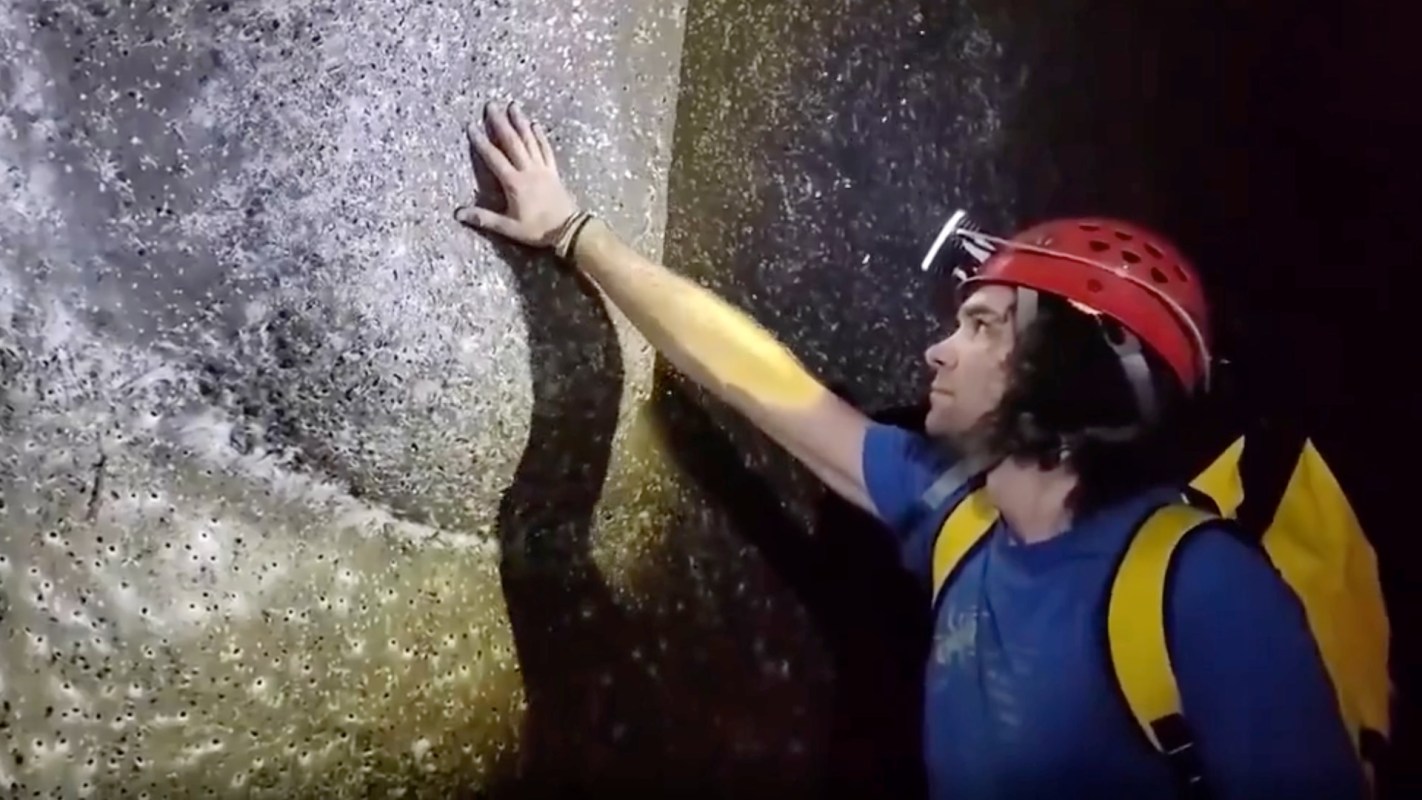
A recent video is giving viewers a close-up look at what researchers describe as the world's largest known spiderweb: a sprawling, gauzy network stretched across a sulfur cave on the Albania-Greece border.
Within the web, the colony includes more than 111,000 spiders from two species that usually prey on one another.
What happened?
The clip, shared on Live Science, shows a massive webbed chamber covering about 106 square meters.
Researchers say the colony contains more than 111,000 spiders from two different species.
What makes that especially unusual is that the animals would normally be expected to hunt one another rather than share the same space.
Scientists describe the cave as an isolated, self-sustaining ecosystem where the two species coexist.
TCD Picks » Quince Spotlight
💡These best-sellers from Quince deliver affordable, sustainable luxury for all




Why does it matter?
Some of Earth's strangest ecosystems still exist in places most people will never see. Caves, especially sulfur-rich ones, can support highly specialized life that behaves very differently from animals in more familiar environments.
This was not a case of nature moving into human space, but of humans entering a delicate animal world and broadcasting it.
When rare places go viral, they can face new pressures from curiosity, tourism, and disturbance. A habitat built around darkness, stability, and isolation may not respond well to intense human attention.
Even animals with a predator-prey relationship can settle into patterns scientists are still trying to understand.
TCD Picks » Quince Spotlight
💡These best-sellers from Quince deliver affordable, sustainable luxury for all
What can I do?
Extraordinary ecosystems like this one are rare, and they are more valuable as living systems than as settings for thrill-seeking visits.
If you travel to cave systems or other sensitive habitats, follow guided-access rules, avoid touching animals or webs, and never assume a viral destination is safe to explore on your own. Respecting boundaries helps protect both wildlife and people.
Spiders often provoke fear, but footage like this can be an opportunity to talk about how even unsettling creatures play important roles in healthy ecosystems.
The cave is the "world's largest known spiderweb," an "isolated, self-sustaining ecosystem" where more than 111,000 spiders that would normally prey on each other somehow "coexist peacefully," said study lead author István Urák, an associate professor of biology at Sapientia Hungarian University of Transylvania in Romania.

Get TCD's free newsletters for easy tips, smart advice, and a chance to earn $5,000 toward home upgrades. To see more stories like this one, change your Google preferences here.