


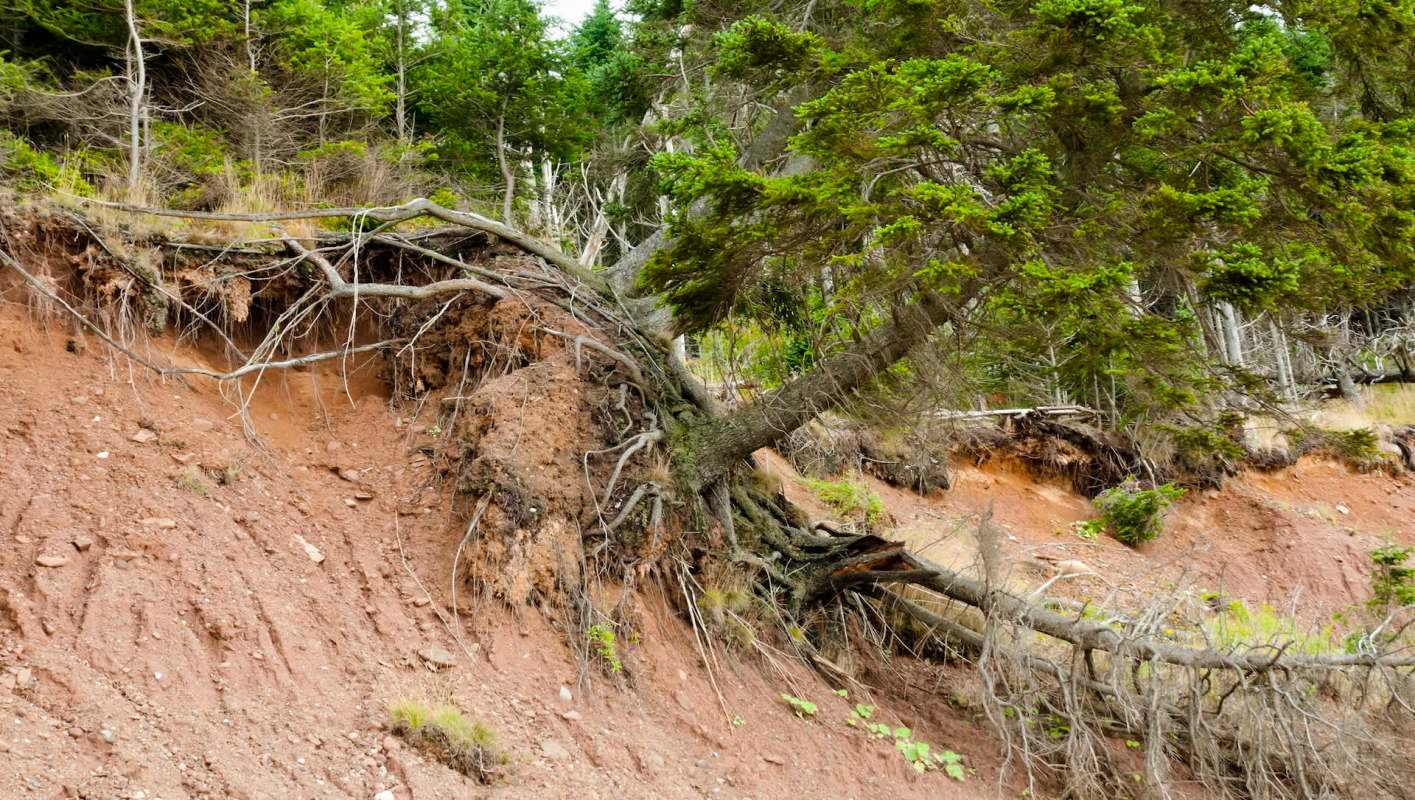
Researchers are working on an artificial intelligence model that can recognize landslides.
University of Cambridge scientists in the U.K. hope that this AI model will find landslides after extreme weather events and natural disasters efficiently.
"In the aftermath of a disaster, time really matters," Lorenzo Nava, a research associate in the university's departments of earth sciences and geography, said in a statement.
Euronews reported that it can take hours for emergency teams to scan photos for affected areas.
This AI model could minimize rescue times and the amount of harm landslides cause to a community. It even uses satellites that can see through clouds and nighttime darkness to detect potential danger.
Nava and his research partners started this project in response to an earthquake in Hualien, Taiwan, in 2024. It's also a part of the Cambridge Complex and Multihazard Research Group, also known as CoMHaz, which recognizes how hazards are interconnected.
The resulting study, published in the Natural Hazards and Earth System Sciences journal, demonstrates how effective this AI model could be in the face of natural tragedies.
Compared to the last 45 years of natural disasters, 2024 ranks fourth in terms of damages and eighth in terms of fatalities, according to the National Oceanic and Atmospheric Administration. Weather and climate disasters caused $182.7 billion in damages and at least 568 direct or indirect fatalities in the U.S. in 2024.
With polluting gases causing temperatures to rise, it's no wonder we're seeing more natural disasters every year.
A University of California, Davis study found that this is mostly because of the pollution caused by energy generation and transportation. Carbon dioxide is one of the biggest pollutants, and it is frequently produced as people burn dirty fuels to power ships, jets, and homes.
TCD Picks » Quince Spotlight
💡These best-sellers from Quince deliver affordable, sustainable luxury for all




|
How often do you experience power outages? Click your choice to see results and speak your mind. |
 Pretty regularly 😠
 Switching to cleaner energy sources like wind and solar can make a big difference. These energies keep our air cleaner and cost less. They can also reduce the amount of damages and fatalities that natural disasters cause.
Unfortunately, natural disasters are here to stay. But AI models like the one created by CoMHaz have the potential to create quicker response times for people in danger.
"In high-stakes scenarios like disaster response, trust in AI-generated results is crucial," Nava said. "Through this challenge, we aim to bring transparency to the model's decision-making process, empowering decision-makers on the ground to act with confidence and speed."
CoMHaz held a data science challenge in August 2025 with several organizations to continue sourcing data for the AI model. While it's unclear when the model will be available for use, one thing is for certain: The more data it has to use, the more lives it might save.

Join our free newsletter for weekly updates on the latest innovations improving our lives and shaping our future, and don't miss this cool list of easy ways to help yourself while helping the planet.
Cool Picks





