


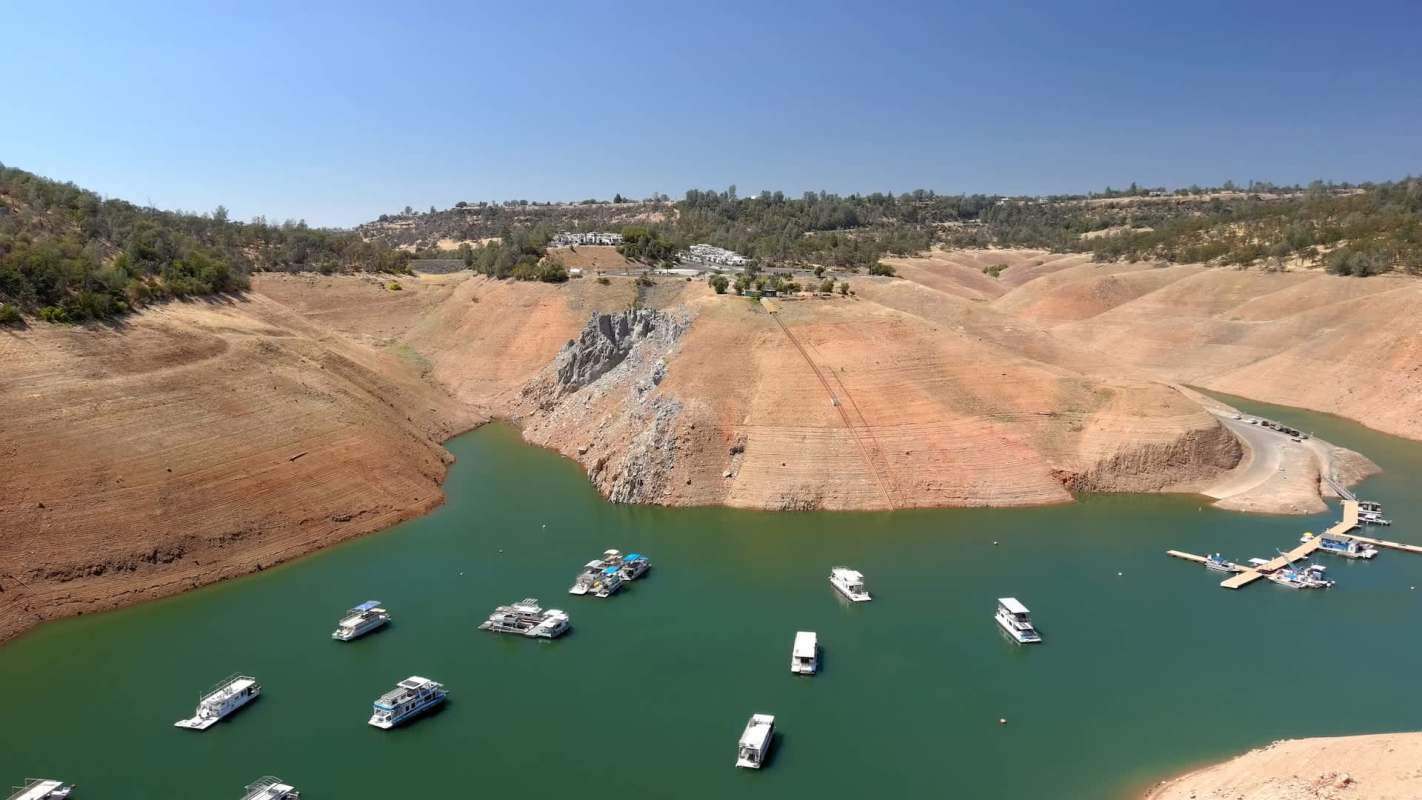
Despite good results of no confirmed detection of golden mussels in Lake Oroville, California is rolling back a key protection intended to keep the invasive species out of the reservoir.
Some ecologists are concerned that the decision may give the mussels a better chance of reaching one of the state's most critical reservoirs and then being carried by recreational boats to other lakes.
What's happening?
According to CalMatters, California's Department of Water Resources will stop requiring mandatory boat inspections and decontamination for Lake Oroville, Thermalito Forebay, and Thermalito Afterbay.
Officials said a recent risk assessment concluded Oroville faces less danger from golden mussels than earlier estimates suggested. They said the lake's colder deep water, lower nutrient levels, and shoreline conditions could limit the kind of severe infestation seen in other locations.
Golden mussels were discovered in California's Sacramento-San Joaquin River Delta in October 2024, the first known identification of the species in North America.
The mussels can spread rapidly through connected waterways while clogging water systems and damaging dams and power plants.
TCD Picks » Quince Spotlight
💡These best-sellers from Quince deliver affordable, sustainable luxury for all




CalMatters said the Oroville inspection program cost about $7.5 million to start and around $6.5 million each year to keep operating. The state estimated UV treatment for pipes at downstream power plants would cost about $1 million.
Why does it matter?
Lake Oroville is more than a recreation destination; it is a major part of California's water and energy infrastructure.
If invasive mussels spread there, the effects could extend to water delivery systems, hydropower facilities, hatcheries, and nearby communities that depend on reliable water access.
When invasive species damage public infrastructure, cleanup and maintenance costs can ultimately fall on taxpayers and ratepayers. They can also disrupt boating access, local tourism, and the outdoor traditions many families rely on each summer.
Some experts question whether preventing golden mussels from spreading is still realistic, while others warn that scaling back prevention now could make the risk worse.
"California is under an epidemic of golden mussels," Anthony Ricciardi of McGill University, a biology professor and director of the Bieler School of Environment, told CalMatters. "Like in any epidemic, you got to control the key hubs — or else the war is lost."
If Oroville were to become infested, boats moving between lakes could help carry the mussels into additional waterways.
What's being done?
State officials said they are changing strategy rather than ignoring the threat. Instead of requiring inspections before launch at Oroville, they are shifting more responsibility to boaters to ensure their vessels are cleaned, drained, and dried after leaving infested waters such as the Delta.
The department said that if mussels are found at Lake Oroville, it will begin checking boats as they leave the lake, an approach CalMatters said is already in use at some infested lakes, including Castaic and Pyramid.
At the same time, some Northern California reservoirs are maintaining their own prevention programs. Managers for lakes such as Folsom, Tahoe, and Berryessa told CalMatters that they plan to keep inspections in place.
State officials urged boaters to inspect trailers, remove aquatic plants, drain water from onboard compartments, and allow boats to dry fully before visiting another lake.
"There's so much to protect yet," Martha Volkoff, environmental program manager with the California Department of Fish and Wildlife's Invasive Species Program, told CalMatters last summer.
Ricciardi warned, "There is another thing about invasions. They often surprise you. Sometimes invaders don't act the way they're supposed to act."

Get TCD's free newsletters for easy tips, smart advice, and a chance to earn $5,000 toward home upgrades. To see more stories like this one, change your Google preferences here.






