


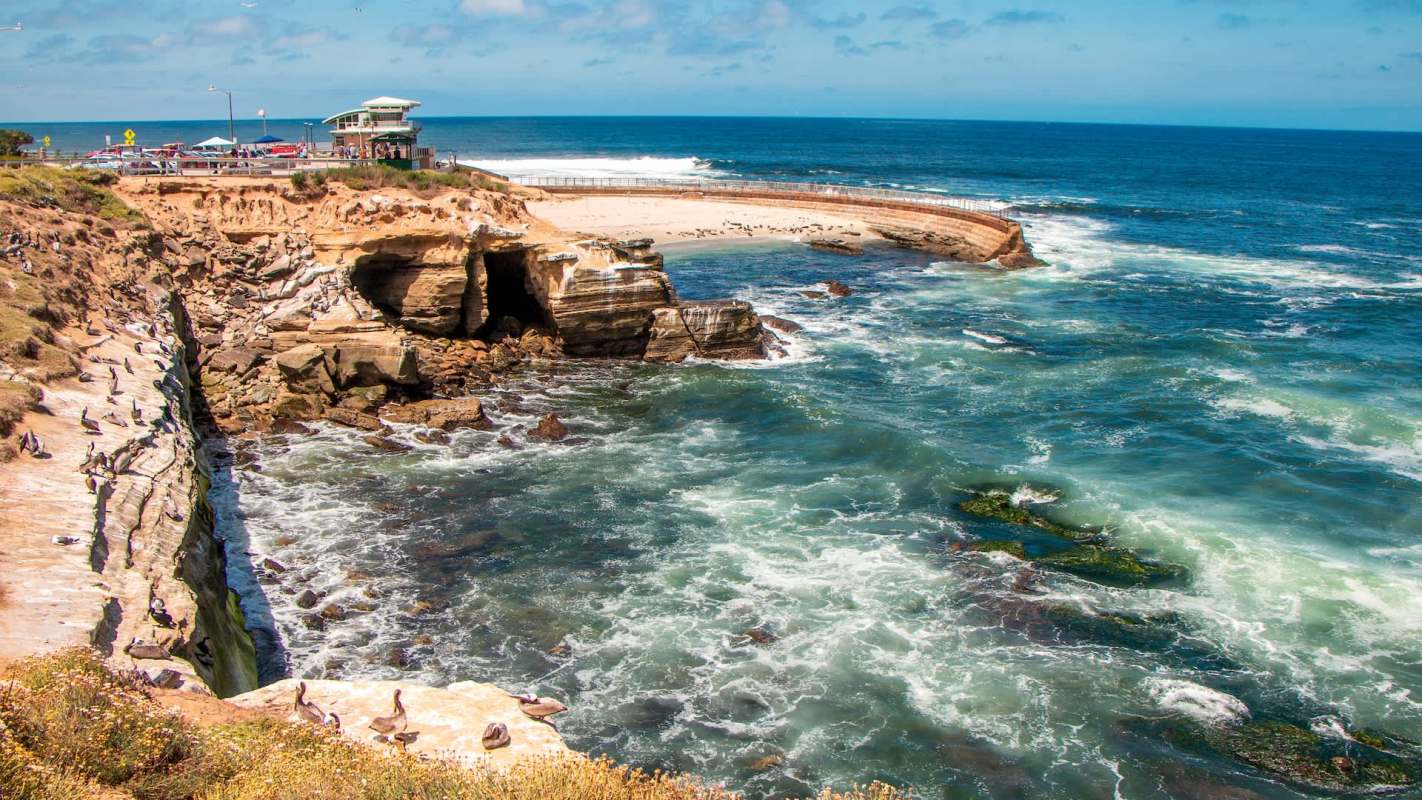
San Diego is weighing a plan to curb the foul smell at La Jolla Cove by treating the cliffs, but the idea has sparked pushback from people who fear the product could affect the sea lions and the sensitive shoreline environment that draw crowds to the area.
What's happening?
According to Fox 5 San Diego, the city's Parks and Recreation Department is seeking permission to apply a bioactive cleaner and odor counteractant to the cliffs at La Jolla Cove. The proposed treatment is intended to cut down on the lingering odor from animal waste.
For some visitors, the smell is as memorable as the scenery. La Jolla Cove is widely known for its sea lions, beach access, and ocean views, yet the odor has become hard for some people to overlook.
"It stinks," visitor Aniyah Pintard told the outlet. "It smells almost like old fish. I don't really know how to describe it, but it's not pleasant."
If the permit is approved, the city says the product would be mixed with water and used to help break down waste on the cliffs. Officials described it as a water-based combination of cultured, nonpathogenic bacteria and surfactant. A single application would cost roughly $325 and be covered by the city's general fund.
Why does it matter?
Opponents have argued the concern is not just the smell but also where the spray could end up. Phillip Musegaas, executive director of Coastkeeper, the nonprofit that works to protect coastal waters, worries wind or rain could carry the treatment from the cliffs into the ocean.
TCD Picks » Quince Spotlight
💡These best-sellers from Quince deliver affordable, sustainable luxury for all




Musegaas also objected to the product itself, saying it contains a chemical associated with eye and skin irritation.
"If it irritates our eyes if we encounter it, sea lions are marine mammals, so it will probably irritate their eyes as well," he told Fox 5 San Diego.
He has also raised concerns about the nearby kelp forest in this marine protected area, arguing that changes to water chemistry could harm its ability to grow.
"Water chemistry, of course, is important, right?" Musegaas said. "These are aquatic plants, so if you change the water chemistry, you run the risk of affecting the kelp's growth and ability to thrive."
Damage to the coastal ecosystem could affect tourism, recreation, and public confidence in how natural spaces are managed. The sea lions that gather at the cove are already navigating plenty of pressure from crowds of visitors, and a chemical misstep in their habitat would add one more risk to a population that draws tourists from around the world.
What's being done?
For now, the proposal remains at the permit stage, so no treatment has been carried out and the debate is still underway.
Musegaas is urging the city to pursue a way to reduce the odor that does not carry the same runoff risk for ocean waters. That could mean non-chemical alternatives or management strategies that reduce waste buildup while keeping wildlife and surrounding waters safer.
The challenge is finding an approach that respects the cove as a shared space that both people and animals enjoy.

Get TCD's free newsletters for easy tips, smart advice, and a chance to earn $5,000 toward home upgrades. To see more stories like this one, change your Google preferences here.






