


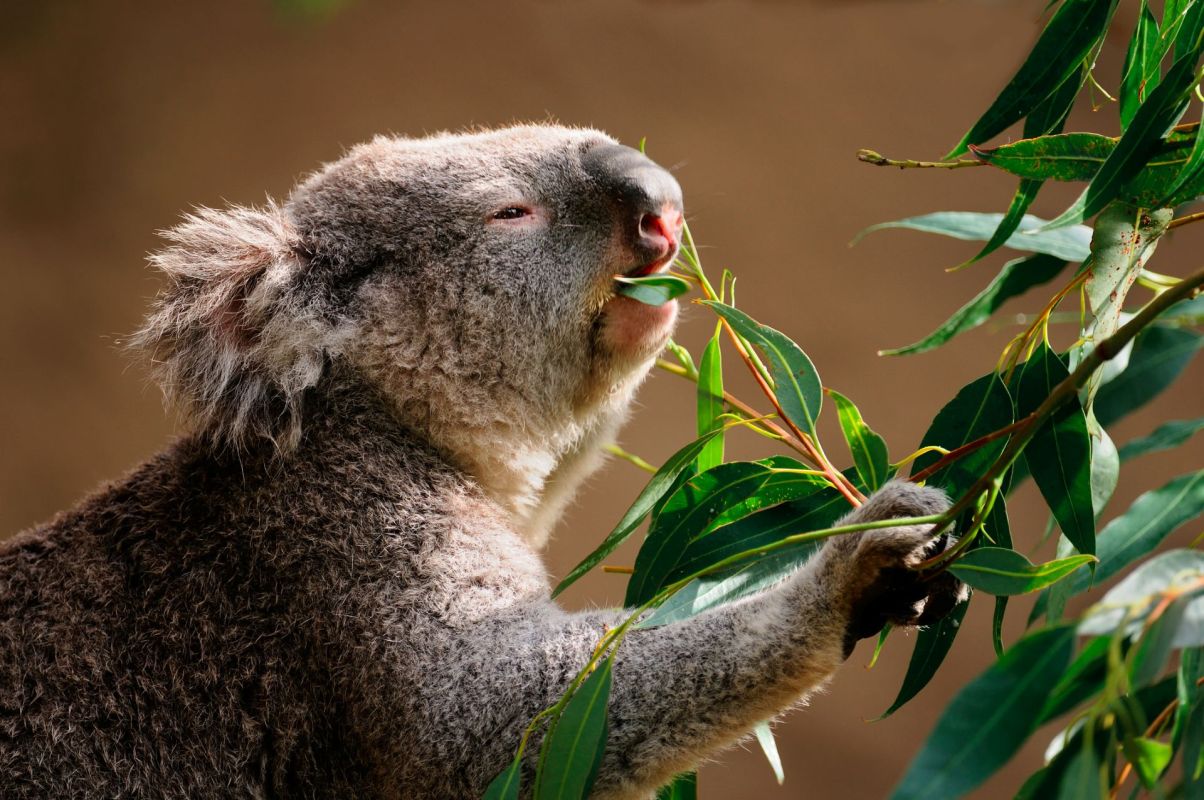
What had looked like a koala recovery story in South Australia is now being viewed far more cautiously. Scientists say numbers in one part of the state have risen enough to strain the landscape itself, increasing the risk of a severe starvation-driven crash.
What happened?
The research points to a problem that can arise when a protected species grows faster than its habitat can support. Nature World News says the study found that the Mount Lofty Ranges now hold about 10% of Australia's koalas.
If current trends continue, the study estimates the population could grow another 17% to 25% over the next 25 years. Since koalas feed mainly on eucalyptus leaves, parts of the Mount Lofty Ranges are seeing preferred trees eaten faster than the forest can replace them.
To identify where pressure is greatest, the researchers combined spatial modeling with thousands of citizen science records. Their results indicate that koalas are packed most densely in some places that already sit above levels the South Australian government considers sustainable, prompting fears of a boom-and-bust collapse like the one recorded at Victoria's Cape Otway.
Why does it matter?
When forests are overbrowsed, the effects can spread across entire ecosystems, reducing habitat for other native species and weakening landscapes that communities rely on for biodiversity, recreation, and climate resilience. Healthy forests also help store carbon.
In places where habitat is fragmented, predators are absent, and animals have little chance to disperse naturally, rising populations can destabilize an ecosystem rather than balance it. That can leave governments and communities facing harder and more expensive decisions later on.
TCD Picks » Quince Spotlight
💡These best-sellers from Quince deliver affordable, sustainable luxury for all




The researchers are not recommending culling. Instead, the study examined targeted fertility control as a more humane way to stabilize population numbers before large-scale starvation occurs. The findings are based on citizen science data, and uncertainty remains about how effective fertility control programs would be at scale in wild populations.
What are people saying?
The researchers say unchecked population growth could push South Australia toward habitat collapse.
They also say humane intervention is possible, with the study highlighting fertility control aimed at specific age groups, locations, or density hotspots rather than lethal action.
As Dr. Katharina Peters of the University of Wollongong put it: "Nobody wants to see koalas being culled or starved because their habitat cannot sustain their numbers. That's why it's so important to manage the population and prevent it from becoming too large."

Get TCD's free newsletters for easy tips, smart advice, and a chance to earn $5,000 toward home upgrades. To see more stories like this one, change your Google preferences here.






