


Public opposition to a growing slate of data center proposals is building across Kentucky, and worries about high electric bills are at the center of many residents' complaints, WEKU reported.
In Hancock County, where one such facility has been proposed, a resident warned regulators that summer power costs are already punishing and could rise past $1,000 a month.
What's happening?
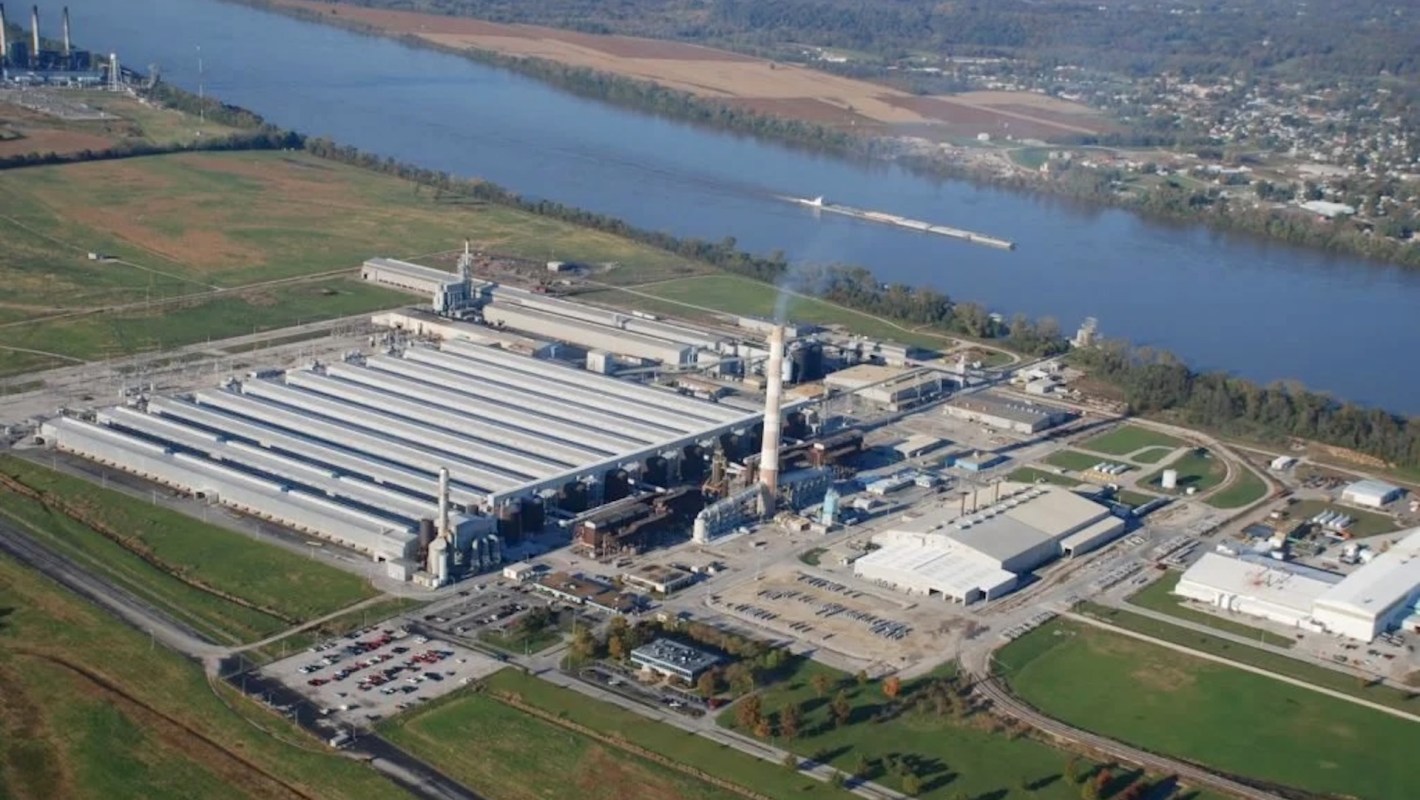
The Kentucky Public Service Commission held a July meeting at Hancock County High School to hear concerns about a proposed TeraWulf data center in Hawesville, a small Ohio River town east of Owensboro.
More than a dozen residents spoke to commissioners — and none supported the project.
Maryland-based TeraWulf is seeking to build the Justified Data Campus on the site of a closed aluminum smelter. The company signed a 20-year tenant agreement in July with AI company Anthropic, according to WEKU.
The proposal would draw nearly 500 megawatts from the regional grid, and developers claim it will create about 100 jobs while generating millions in school tax revenue.
TCD Picks » Quince Spotlight
💡These best-sellers from Quince deliver affordable, sustainable luxury for all




For many locals, those promises have been eclipsed by distrust, hidden agreements, and concern over electricity costs.
"None of us want this. We weren't even able to know what was happening before the land was sold," Jacob Hodge of Lewisport told commissioners.
TeraWulf has framed Kentucky as a desirable fit for large-scale investment.
In an Aug. 5 investor presentation, Chairman and CEO Paul Prager said the state is attractive because of its "power infrastructure, business environment and the constructive engagement we have seen from state, utility and local stakeholders."
Why does it matter?
Electricity bills are already straining household budgets in the area.
Residential customers of Kenergy, the local utility connected to the Hancock County project, paid average bills of more than $260 in July, according to Heatmap data cited by WEKU.
Those averages were 39% higher than they were in July 2021, while the statewide increase over the same period was more than 21%.
Data centers require huge new investments in generation and transmission, and supporters of the facility claimed Kentucky ratepayers wouldn't be forced to subsidize its electricity.
Jamie Van Nostrand — who previously led the Massachusetts Department of Public Utilities and is now policy director for The Future of Heat Initiative — was skeptical.
"I think the chances of that happening are fairly small. I think generally data centers will cause higher rates," she observed.
AI tools can help utilities forecast demand, improve grid efficiency, and better integrate clean energy sources such as wind and solar.
But the data centers powering those systems consume vast amounts of electricity and water, add strain to local infrastructure, and raise concerns about community impact, resource consumption, and unintended costs for households after facilities go online.
TeraWulf also announced the Muskie Data Campus near Ashland in May, and Prager said on Aug. 5 that the company may double that site's planned size, increasing it from 1 to 2 gigawatts.
What's being done?
Utilities and state officials claim they are trying to prevent residents from bearing the costs of rapid AI expansion.
WEKU reported that Big Rivers had signed President Donald Trump's Ratepayer Protection Pledge, which is supposed to prevent households from paying for power plants and transmission infrastructure built for data centers.
However, the pledge is voluntary, not legally binding, and thus not enforceable.
"Co-ops are opposed to electric rates subsidizing data centers. Instead, we support contracts with data centers that can help stabilize electric rates," Kenergy spokeswoman Leslie Barr said.
WEKU reported that Kentucky regulators have firmer authority because the Public Service Commission must approve or reject the TeraWulf agreement with Big Rivers and Kenergy.
Gov. Andy Beshear signed an Aug. 6 executive order intended to make data centers, rather than residents, absorb any added electricity costs.
Lawmakers could also write ratepayer protections into state law, though a bill that passed the House stalled in the Senate.
City councils and fiscal courts can also approve or deny zoning changes, while communities can seek moratoriums or push for stricter conditions before projects proceed.
"I can't afford a $1,000, $1,100, $1,200 electric bill," said Gary Elder, a 69-year-old retiree from Lewisport.

Get TCD's free newsletters for easy tips, smart advice, and a chance to earn $5,000 toward home upgrades. To see more stories like this one, change your Google preferences here.






