


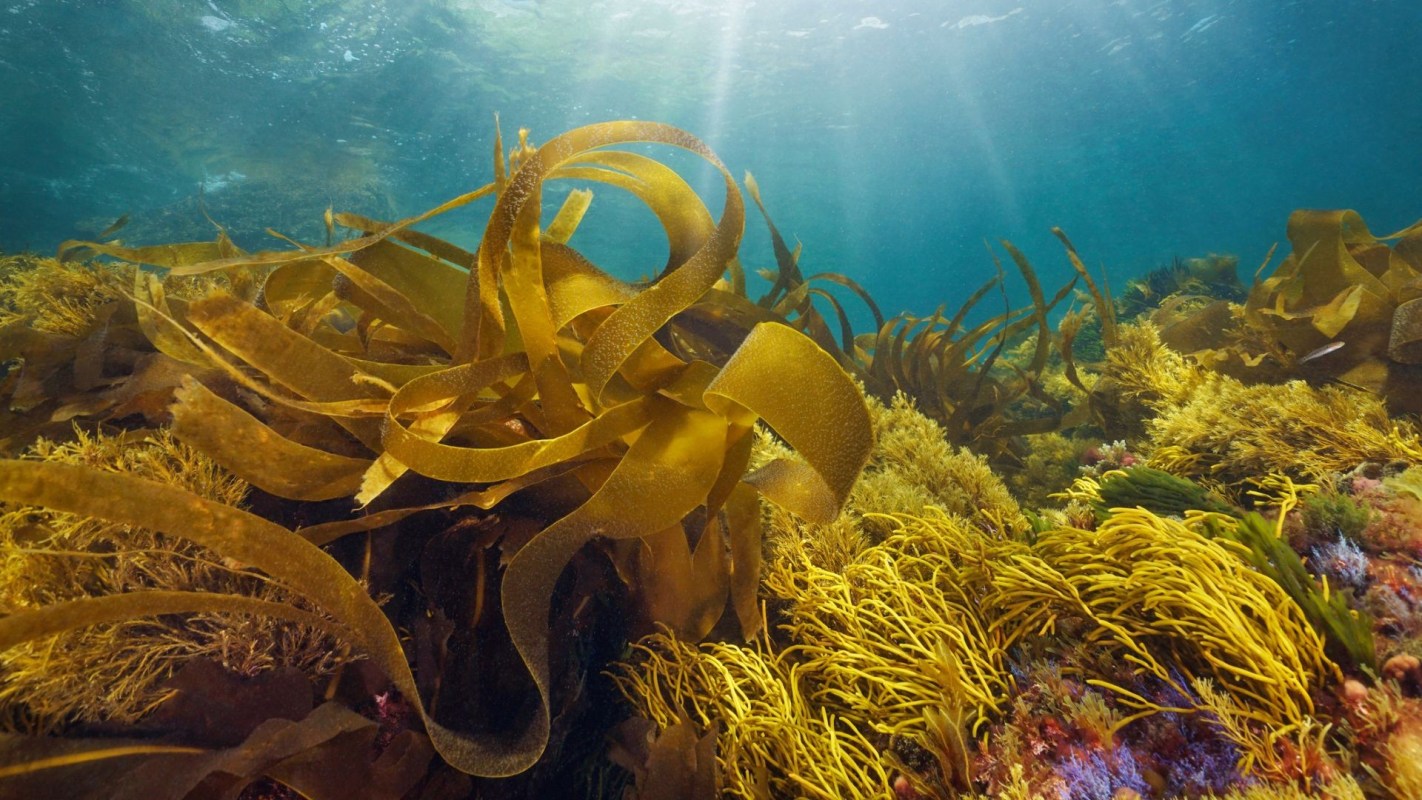
Scientists say kelp cells, called gametophytes, could one day help power ships and planes with biofuels instead of oil.
According to Fortune, researchers at the Woods Hole Oceanographic Institution have been breeding fast-growing strains of sugar kelp to process into liquid fuel. This pathway will ideally improve the biofuel industry and revolutionize transportation.
While electric cars can run on electricity generated from solar and wind, long-distance planes and ships need alternatives that can work more easily within existing fuel systems.
As marine scientist at Woods Hole Oceanographic Institution Scott Lindell said, "We need other sources of energy that are sustainable, we can't just rely on petroleum."
Corn-based ethanol primarily works as gasoline additives. But countries searching for cleaner fuel options find kelp's benefits enticing. It can grow in the ocean without using farmland, large amounts of freshwater, or pesticides.
The green kelp gametophytes whirl inside a red-lit chamber while a blade stirs the water. Those microscopic cells eventually grow into kelp that researchers select for traits like faster growth and higher biomass. Some of those strains can produce as much as three times the biomass of standard kelp.
TCD Picks » Quince Spotlight
💡These best-sellers from Quince deliver affordable, sustainable luxury for all




The researchers turn seaweed into biofuel through hydrothermal liquefaction, a process that uses heat and pressure to create liquid fuel.
This matters because some of the hardest parts of transportation to clean up are aviation and cargo shipping, which still rely heavily on petroleum-based liquid fuels.
But seaweed biofuel isn't perfect: they still release harmful gases when burned. Despite that, these bioethanols, whether corn or kelp-based, still produce fewer temperature-raising gases compared to petroleum-based fuels.
A successful kelp-based fuel industry could help cut climate pollution while also reducing dependence on volatile oil markets that can send prices rising across the economy.
Cleaner fuel options for freight and air travel could eventually help stabilize shipping costs, which in turn can affect the price of everyday goods, from groceries to household essentials.
Federal support for kelp biofuel research has come in waves, and farmers remain hesitant to expand without guaranteed buyers.
Farmer Oliver Dixon described today's kelp market as inconsistent. "The buyers come in and out, it's pretty discouraging," Dixon said.
Researchers also say large-scale ocean farming would require careful permitting and more study of possible environmental impacts. Even so, kelp remains promising because it grows quickly and can be cultivated with relatively few inputs.
Lindell is betting on the long game. "We'll come to the realization that things have shifted in the marketplace," he said to Fortune, adding that society will eventually have to confront the limits of pulling more oil from the ground.

Get TCD's free newsletters for easy tips, smart advice, and a chance to earn $5,000 toward home upgrades. To see more stories like this one, change your Google preferences here.






