


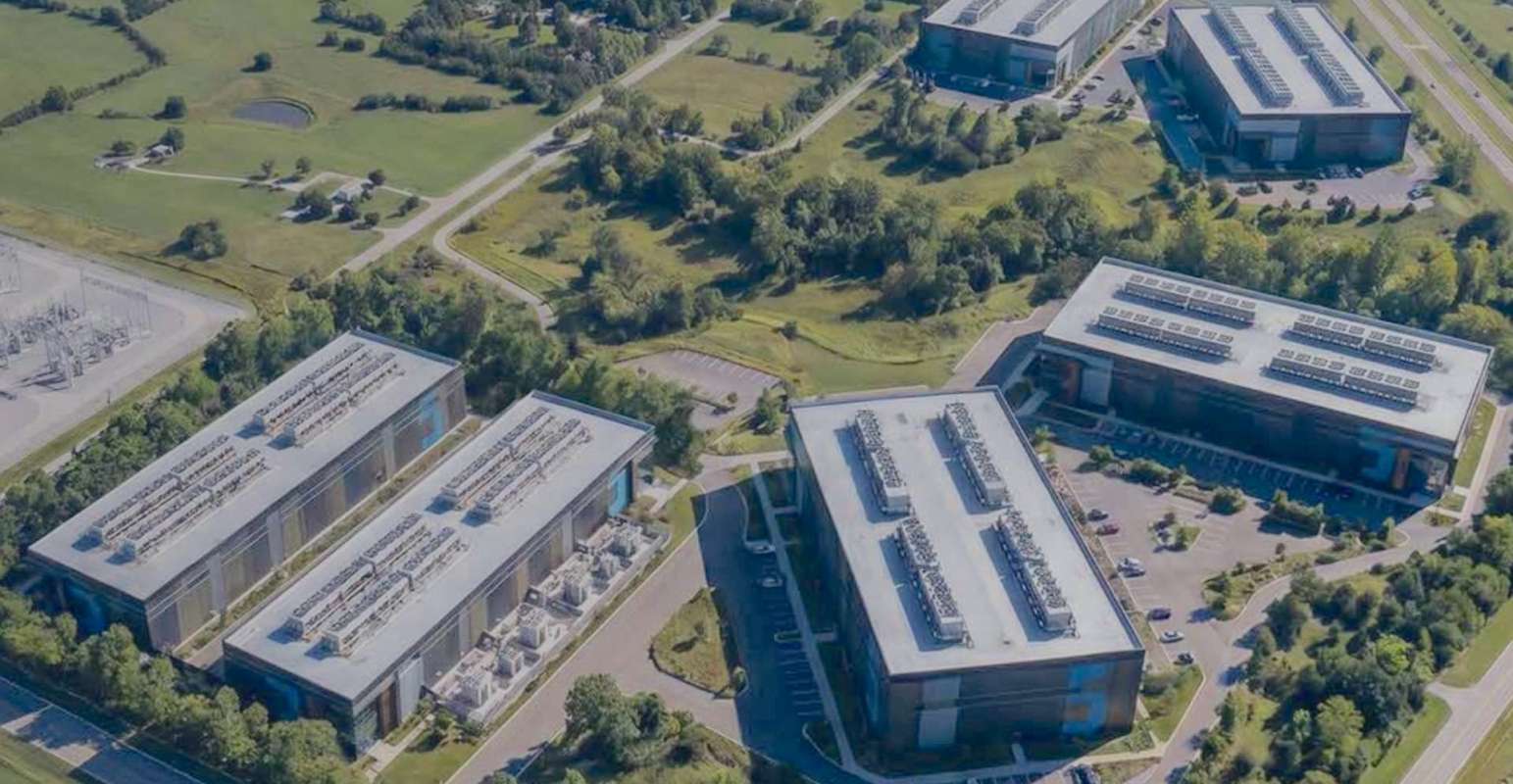
A growing fight over large data centers in Kansas has spilled out of city halls and into courtrooms, as residents in several communities who used citizen petitions to try to block the projects are now being sued by their own cities amid concerns about water use, electricity demand, and local control.
The Topeka Capital-Journal reported that the lawsuits are playing out in Edgerton, El Dorado, and Emporia, where city governments are attempting to stop petitions backed by residents to prohibit certain high-impact data centers.
Here's what to know
According to The Topeka Capital-Journal, Kansas law gives residents a path to propose local ordinances through petitions, provided they gather enough signatures based on recent election turnout. After the signatures are validated, city officials typically have 20 days to either enact the measure or let voters decide it at the ballot box.
Those rules are now being tested in suits filed by El Dorado on July 14, Edgerton on Aug. 4, and Emporia on Aug. 9. According to the Capital-Journal, the cities argue that the petitions contain legal defects and address administrative matters, not legislative ones, so the petition statute should not apply.
One case has already produced a court ruling: on Aug. 20, a Lyon County judge directed Emporia to submit its proposed ordinance to voters in November, the Capital-Journal reported.
Though the petitions vary by city, they generally aim to block what they describe as "high-impact data centers" — facilities with peak power demand above 10 megawatts or water use topping 100,000 gallons per day, according to the Capital-Journal.
TCD Picks » Quince Spotlight
💡These best-sellers from Quince deliver affordable, sustainable luxury for all




For scale, the Capital-Journal cited Kansas Commerce, which says a 100-megawatt hyperscale data center could use roughly 530,000 gallons of water each day.
Edgerton resident Kimberly Twente, a co-defendant in one of the cases, told the Capital-Journal, "This fight isn't just about Carrie (Schmidt) and I. This fight is much bigger. This fight is about every other city or township that has to go through something like this."
More background
According to the outlet, in Osawatomie, the issue became personal for Troy Harp, who began drafting a petition after he learned that Project Catalyst, a proposed data center of more than 500 megawatts, might be built near his property.
"I can't just ignore this because I probably won't be able to live here on my property if they put this right behind me less than 100 yards away," Harp said.
He said that petition framework was later shared with residents elsewhere in Kansas, contributing to a wider backlash against data-center expansion.
What's being done?
Before these ordinances can move forward, cities say they want judges to decide whether the measures are valid. The Capital-Journal reported that officials argued in court filings that, if an invalid ordinance were approved by voters, state law might keep it in force for a decade unless another election reversed it.
Edgerton put the point this way in its lawsuit, arguing, according to the Capital-Journal, that placing the petition on the ballot would "enshrine fact findings and statements that are not true and pretend to powers that the City does not have."
In a statement posted on Edgerton's website, as cited by the Capital-Journal, City Attorney Todd Luckman said residents were included as defendants because "Kansas law requires that people whose interests would be affected by the decision must be named." He also said the filing's reference to costs did not mean the city was seeking compensation from the petition organizers.
At the same time, petition efforts are still advancing elsewhere. Signature verification is moving forward in Ottawa and Osawatomie, even as cases in the other cities continue in court.
That means judges may soon play a major role in determining how much power local communities have to slow or stop resource-intensive projects.

Get TCD's free newsletters for easy tips, smart advice, and a chance to earn $5,000 toward home upgrades. To see more stories like this one, change your Google preferences here.






