


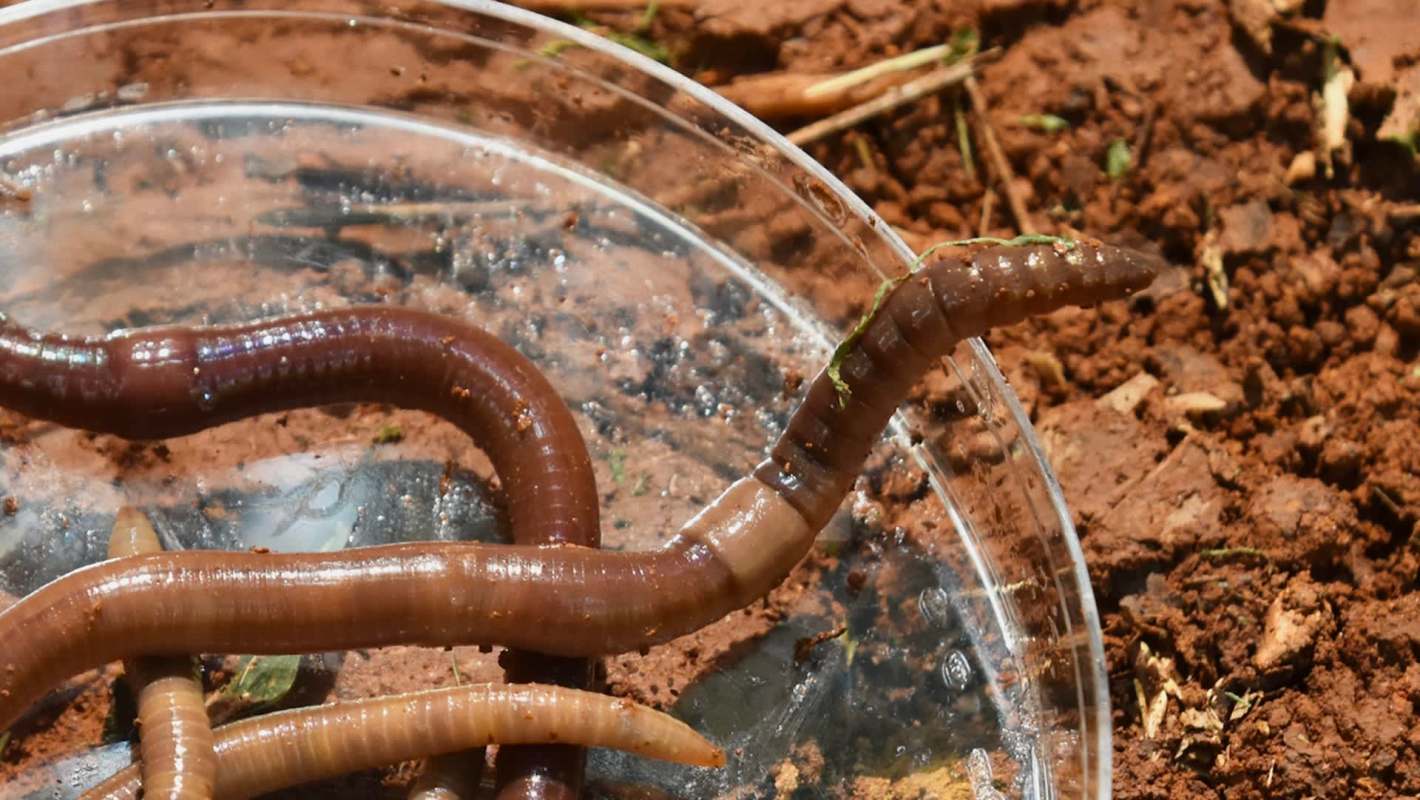
Earthworms have become integral to ecosystems everywhere in the United States. But European colonists actually brought them over, perhaps unintentionally, starting in the 1600s, according to the Smithsonian Environmental Research Center.
While the original worms established here are long gone due to glaciers, there are other worms that people are learning to manage. For people in Minnesota, the jumping worm is a newer arrival that is known for its snake-like thrashing and ability to ruin soil in gardens and landscapes.
Here's what to know
MPR News noted that most of Minnesota's earthworms originated in Europe and Asia. That includes one of the state's most familiar worms: the nightcrawler. People often use it as fishing bait, and it came from Europe more than 100 years ago.
Jumping worms often make their homes in gardens and compost piles like other earthworms. But unlike other earthworms that can improve the soil's ability to drain and aerate, jumping worms can make soil less nutritious and unavailable to plants, according to UCONN Extension.
Soil health supports trees and gardens. It allows people to have access to fresh produce whether it's growing in a backyard or a farm. When introduced species disrupt that foundation, communities can be left with weaker landscapes and greater difficulty maintaining the places they rely on.
What can be done?
People can help limit the spread of nuisance species by being more careful about materials they move from one place to another. Jumping worms often show up in managed areas like gardens and compost piles, so soil, mulch, and plant material can all carry them into new spaces.
TCD Picks » Quince Spotlight
💡These best-sellers from Quince deliver affordable, sustainable luxury for all




Minnesotans and people everywhere can also take a closer look at everyday habits involving worms and soil, including bait use and compost handling. Even familiar materials can contribute to the spread when introduced species are involved.

Get TCD's free newsletters for easy tips, smart advice, and a chance to earn $5,000 toward home upgrades. To see more stories like this one, change your Google preferences here.






