


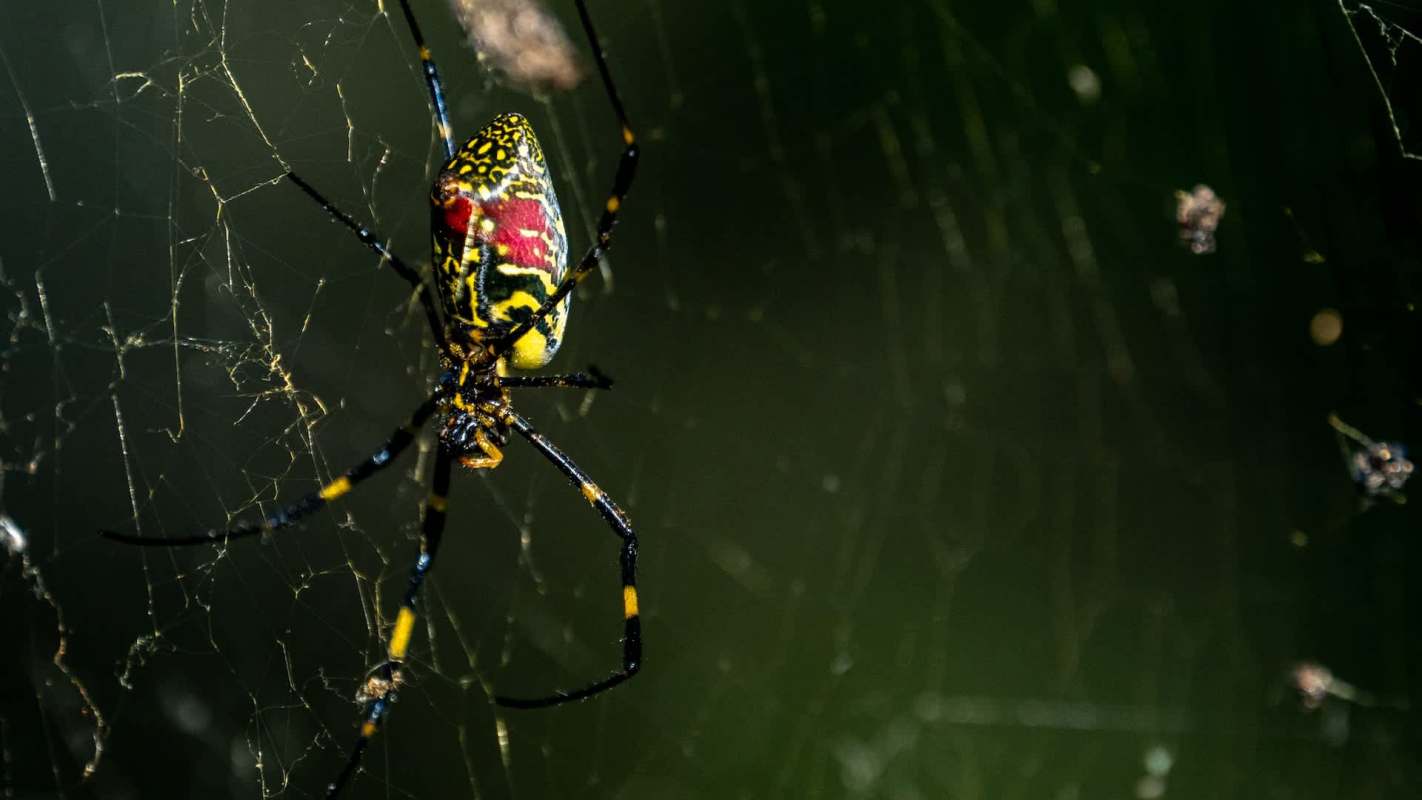
Palm-sized Joro spiders may soon become a familiar summer sight in the DMV, with experts saying the invasive species is still expanding across Maryland and is likely to keep moving north.
As WUSA9 reported, scientists have already documented populations in parts of Maryland and are urging residents not to kill the spiders if they encounter them.
What's happening?
Native to Asia, Joro spiders were initially found in Georgia and have been creeping northward.
Like many invasive species, their arrival in the United States reflects how global trade and travel can help animals cross oceans.
Once established in a new area, these spiders can spread on their own.
Smithsonian entomologist Dr. Floyd Shockley explained that young Joro spiders travel using a process known as ballooning.
TCD Picks » Quince Spotlight
💡These best-sellers from Quince deliver affordable, sustainable luxury for all




By releasing silk that acts like a parachute, they can be carried by the wind for miles.
"They're very cold-tolerant, so there's every expectation that, barring some major catastrophic event, they will eventually make their way even further north into New Jersey, New York, and maybe even further than that," Shockley said, per WUSA9.
According to Shockley, the species has established populations in Howard and Anne Arundel counties in Maryland.
Sightings in Washington, D.C., and Virginia appear to be less common, though that may simply be because, as he explained, "Most of the ones are often not directly in high human traffic areas."
Why does it matter?
Joro spiders look alarming. They can grow larger than a human palm and feature bold yellow, black, and white markings.
Their webs can also appear yellowish, making them stand out more than the webs of many native spiders.
Shockley said that, for all their dramatic looks, Joro spiders pose little risk to people or pets. Their venom is mild, bites are uncommon, and they are not known for heading indoors the way some other spiders do.
"But the real ecological impacts of Joros come from the fact that they're incredibly good at outcompeting native spiders in our area," Shockley said.
That threat would not stop with the spiders alone. If Joro spiders push native species out, the change could reshape local food webs and send broader effects through ecosystems that communities depend on.
There may be one limited benefit. In places where Joro spiders share space with spotted lanternflies, they have been seen eating the invasive insects, which have caused major problems for agriculture and local communities.
What can I do?
If you come across a Joro spider, experts advise leaving it alive.
A better response is to photograph it and file a report, which gives scientists more information about where the spiders are turning up and how they may be affecting local ecosystems.
Shockley specifically recommended using iNaturalist.org. Public reports can help researchers identify pocket populations in places where the spiders may be present but easy to overlook, such as high in trees or away from frequently used walkways.
If a Joro spider builds a web in an inconvenient place, such as near a doorway or along a heavily used path, experts say there is another option.
"They don't like to build their webs multiple times. So anywhere where you're knocking the web down, they're gonna stop building there, and they're gonna build somewhere else," Shockley said, per WUSA9.
Shockley described what people may be seeing: "This will be the largest garden spider anybody's ever seen if they come across it."
And when it comes to the nation's capital, he added, there is "no reason why they wouldn't be in DC."

Get TCD's free newsletters for easy tips, smart advice, and a chance to earn $5,000 toward home upgrades. To see more stories like this one, change your Google preferences here.






