


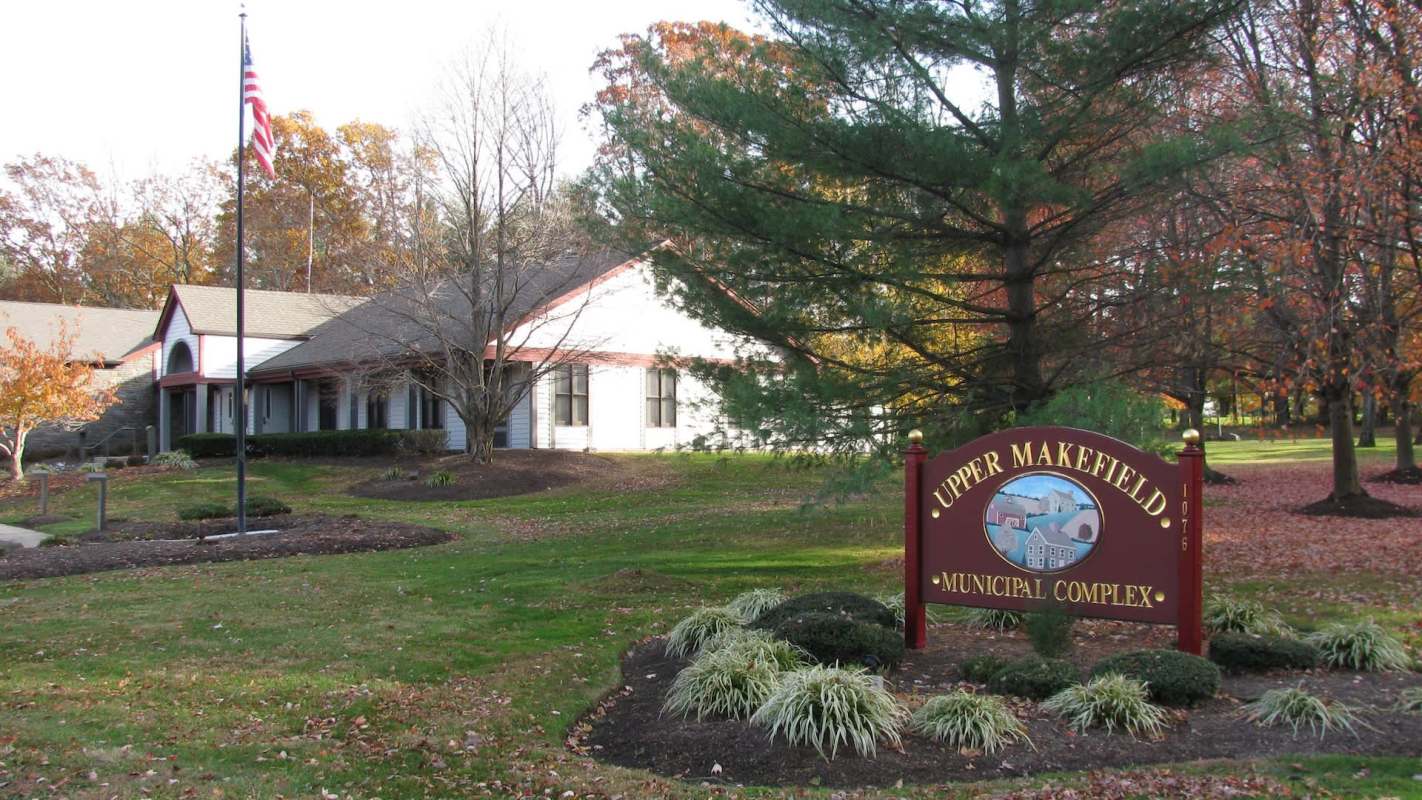
More than 18 months after officials confirmed that a jet fuel pipeline leak in Upper Makefield Township contaminated at least six private wells, some families in southeastern Pennsylvania say they are still dealing with unsafe wells, ongoing cleanup efforts, and lingering uncertainty.
What happened?
At least six private wells in Upper Makefield Township were contaminated after a pipeline that carries jet fuel to Newark Liberty International Airport leaked, the Bucks County Courier Times reported. Residents say the disruption has not let up.
According to the Bucks County Courier Times, one family first noticed signs of trouble in September 2023, and the leak was not confirmed until January 2025 — possibly going undetected for as long as 16 months.
The experience is still affecting residents such as Kristine Wojnovich of Washington Crossing. The Bucks County Courier Times reported that her family noticed a gasoline smell at their kitchen faucet, and Wojnovich said the effects have not gone away.
"This is an ongoing issue, and it will be for the community," she said.
The spill has also become the basis for federal legislation. In November, U.S. Rep. Brian Fitzpatrick, R-Bucks, introduced the bipartisan Wojnovich Pipeline Safety Act, saying it was shaped by failures exposed during the Upper Makefield leak. Fitzpatrick described the leak as "a preventable disaster which exposed gaps in federal and state law."
TCD Picks » Quince Spotlight
💡These best-sellers from Quince deliver affordable, sustainable luxury for all




Why does it matter?
The Bucks County Courier Times reported that legal action has followed the leak, including a class action lawsuit and several individual lawsuits. It also said some residents still rely on bottled water because they do not trust their wells, while Energy Transfer continues extracting jet fuel from at least one family's well.
Pipeline leaks, much like coal and natural gas power plants, contribute to air and water pollution linked to asthma, heart disease, cancer, and premature death, putting entire communities at risk. On top of health concerns, they also often keep energy costs high for households that remain dependent on these fuel sources instead of more abundant, cleaner, and cheaper options like sunlight and wind.
What's being done?
Fitzpatrick has promoted the Wojnovich Pipeline Safety Act as a way to help spare other communities from similar disasters.
The Bucks County Courier Times reported that the bill would impose financial penalties on operators that do not promptly report, respond to, or remediate leaks. It would also require local emergency alerts, tougher inspection standards for aging and repaired pipelines, better leak detection and water testing, and notice to homebuyers about nearby hazardous liquid pipelines.
During a July 15 press conference in Washington, Fitzpatrick said the legislation is "a reflection of the resilience, the persistence and the courage of the entire Upper Makefield community."
At a July 8 meeting, Energy Transfer presented a "multi-phase extraction system" plan intended to remove vapors, contaminated soil, and tainted groundwater. At the press conference, Wojnovich also expressed support for the bill, saying, "No one should have to discover a pipeline leak by smelling gasoline in their kitchen faucet," insisting communities should "never be the last to know and the first to bear the consequences of a pipeline failure."
"Not much has changed for us on the ground," Wojnovich said. "Nothing has really been cleaned up."

Get TCD's free newsletters for easy tips, smart advice, and a chance to earn $5,000 toward home upgrades. To see more stories like this one, change your Google preferences here.






