


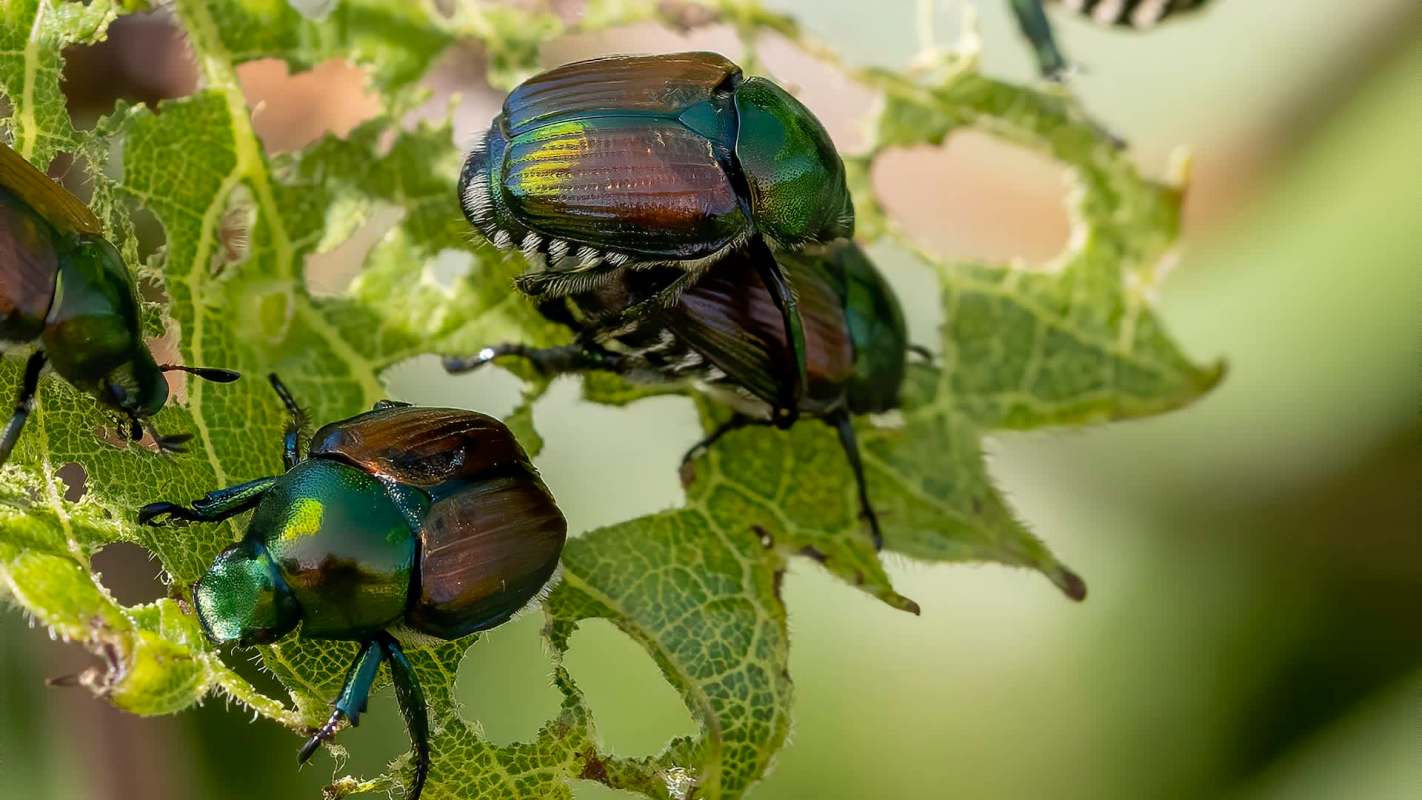
Minnesotans who haven't spotted Japanese beetles yet this summer may think the destructive insects have finally disappeared.
However, the pests are still around, but a tiny parasitic fly may be catching up with them.
What's happening?
A recent Dear Master Gardener response featured by the Brainerd Dispatch made it clear that Japanese beetles remain established in Minnesota. While the invasive pest has been recorded in counties around the state after first being spotted in New Jersey, the largest populations are still centered in the Twin Cities metro area and southeast Minnesota.
These beetles generally start appearing by early July, and most of their feeding damage comes later, during July and August, so a lack of sightings so far may reflect timing rather than a true absence.
One reason for optimism is a parasitic insect called the Winsome fly. The University of Minnesota Entomology Department noted that New Jersey began using it for biological control in 1923, six years after Japanese beetles were accidentally introduced there.
Minnesota's releases came much later. The Minnesota Department of Agriculture and USDA sent out Winsome flies from 1998 through 2006, largely at Theodore Wirth Park in Minneapolis, the Dear Master Gardener response said. It also pointed to 2024 research indicating the fly is adjusting to Minnesota conditions and emerging in closer sync with the beetles.
TCD Picks » Quince Spotlight
💡These best-sellers from Quince deliver affordable, sustainable luxury for all




Why does it matter?
Japanese beetles are more than a nuisance. They can do serious damage to crops and ornamental plants, which is troubling news not just for local food production, but also for anyone trying to maintain a yard, grow flowers, or harvest fruits and vegetables at home.
Gardening can cut produce costs, deliver better-tasting ingredients, encourage healthier eating, get people moving outdoors, and has been linked to lower stress and better mental well-being.
When destructive pests overwhelm a garden, those benefits become harder to access. Gardeners may feel pressured to spend more money replacing damaged plants or buying pest treatments, and some may give up on growing food altogether.
A natural control that helps suppress beetle populations could make it easier for more people to stick with gardening without relying as heavily on harsher interventions.
What's being done?
The biggest step already underway is biological control. Rather than trying to eliminate Japanese beetles with chemicals alone, researchers and agencies have spent years establishing the Winsome fly as a natural enemy.
For people dealing with the insects at home, timing can help. The Dear Master Gardener piece recommended picking off adult beetles or flicking them into soapy water in the morning, when they're less active.
Gardeners are also advised not to destroy beetles that carry an odd white mark on the head or back, because that can signal Winsome fly parasitism and be a potential benefit for future control.

Get TCD's free newsletters for easy tips, smart advice, and a chance to earn $5,000 toward home upgrades. To see more stories like this one, change your Google preferences here.






