


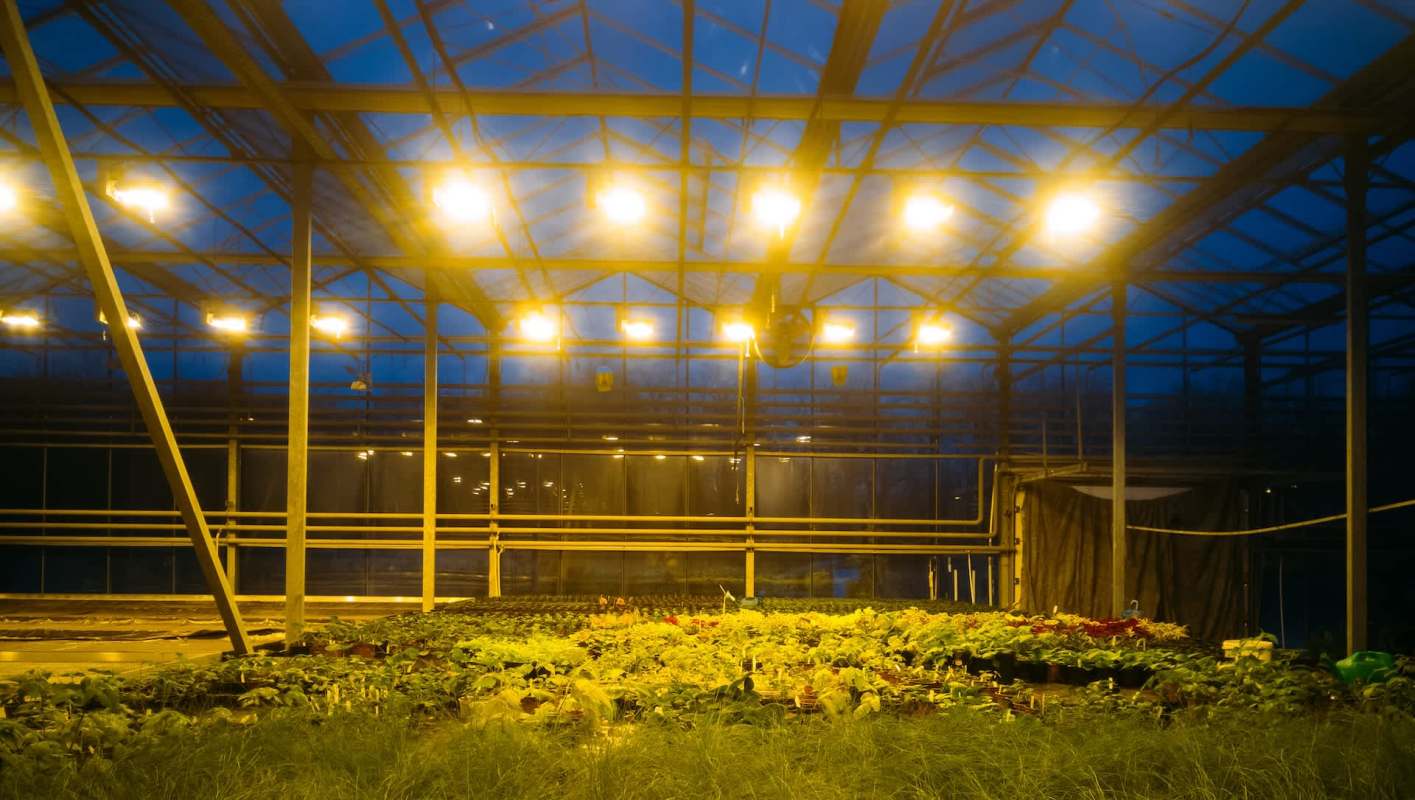
In some parts of Japan, extreme summer temperatures are forcing farmers to rebuild their schedules around the coolest hours of the day. Reuters stated they're cutting flowers at night, turning on barn lights at 2:30 a.m., and trying to wrap up outdoor tasks before the heat becomes unsafe.
Here's what to know
After a part-time worker suffered heatstroke while picking sunflowers, flower farmer Motoaki Iijima changed how work gets done at Nikko Engei, north of Tokyo. According to Reuters, he harvests overnight because when outside temperatures top 95 degrees Fahrenheit, his greenhouses can rise above 104 F.
Under halogen lights, Iijima's greenhouse glows through the night as he cuts gerberas instead of taking on the harshest daytime heat. The 36-year-old shifted his family's centuries-old rice farm into a flower-growing business.
The strain is both widespread and worsening. Nearly 60% of farmers in their 20s to 50s surveyed by the Japan Weather Association said they had either experienced heatstroke themselves or knew someone who had. Almost the same amount said they had moved work to earlier or later hours.
In 2024, Japan recorded 59 heat-related deaths among agricultural workers, which is more than double the total from 2021. Roughly seven in 10 farmers in Japan are 65 or older.
Why is this concerning?
A three-day spell of intense summer heat killed more than 500 laying hens owned by 48-year-old poultry farmer Tetsuya Usuba. Lights in two barns are set to turn on at 2:30 a.m. so his 4,400 caged hens will eat before hotter temperatures cut their appetite.
TCD Picks » Quince Spotlight
💡These best-sellers from Quince deliver affordable, sustainable luxury for all




Despite measures like adding more fans, spraying water on the barns' metal roofs, and putting citric acid in the birds' drinking water, another heat surge above 95 F still killed 130 hens.
"Summer has become a new threat to producers like us, something as scary as an outbreak of avian influenza," Usuba said.
The financial hit is severe too. Across Japan's economy, labor time lost to heat in 2024 was nearly double the 1990s average, amounting to about $46 billion in lost income, or roughly 1% of GDP. In agriculture alone, Lancet Countdown said heat exposure cost the equivalent of 926 million labor hours.
What's being done?
Workplace regulations introduced in 2025 require employers to set up heatstroke reporting systems and emergency response plans.
Japan is also supporting more automation in farming, including drones and robotic equipment.
On individual farms, adaptation has been more immediate. Strategies include shaded or air-conditioned packing spaces, automatic barn lighting, extra ventilation, and more careful monitoring of plants and animals.
For Iijima, though, the change is fundamentally about safety.
"The hours around dusk are really precious. That's when we can be outside," Iijima said. "We've gradually become nocturnal. It's about protecting our bodies, and ultimately, our lives."
Where can I learn more?
Japan's growers are changing when and how they work to survive punishing heat. And in other places, farmers are adapting to these unpredictable times by using agrivoltaics in their practices.
• On working pastures, sheep have paired with solar panels and given farmers economic lift.
• In California, farmers see solar become a cash crop as drought and heat squeeze margins.
Though it can be hard to survive as the world changes rapidly, there are still solutions out there. Learning about them could help you or someone you know figure out how to survive too.

Get TCD's free newsletters for easy tips, smart advice, and a chance to earn $5,000 toward home upgrades. To see more stories like this one, change your Google preferences here.






