


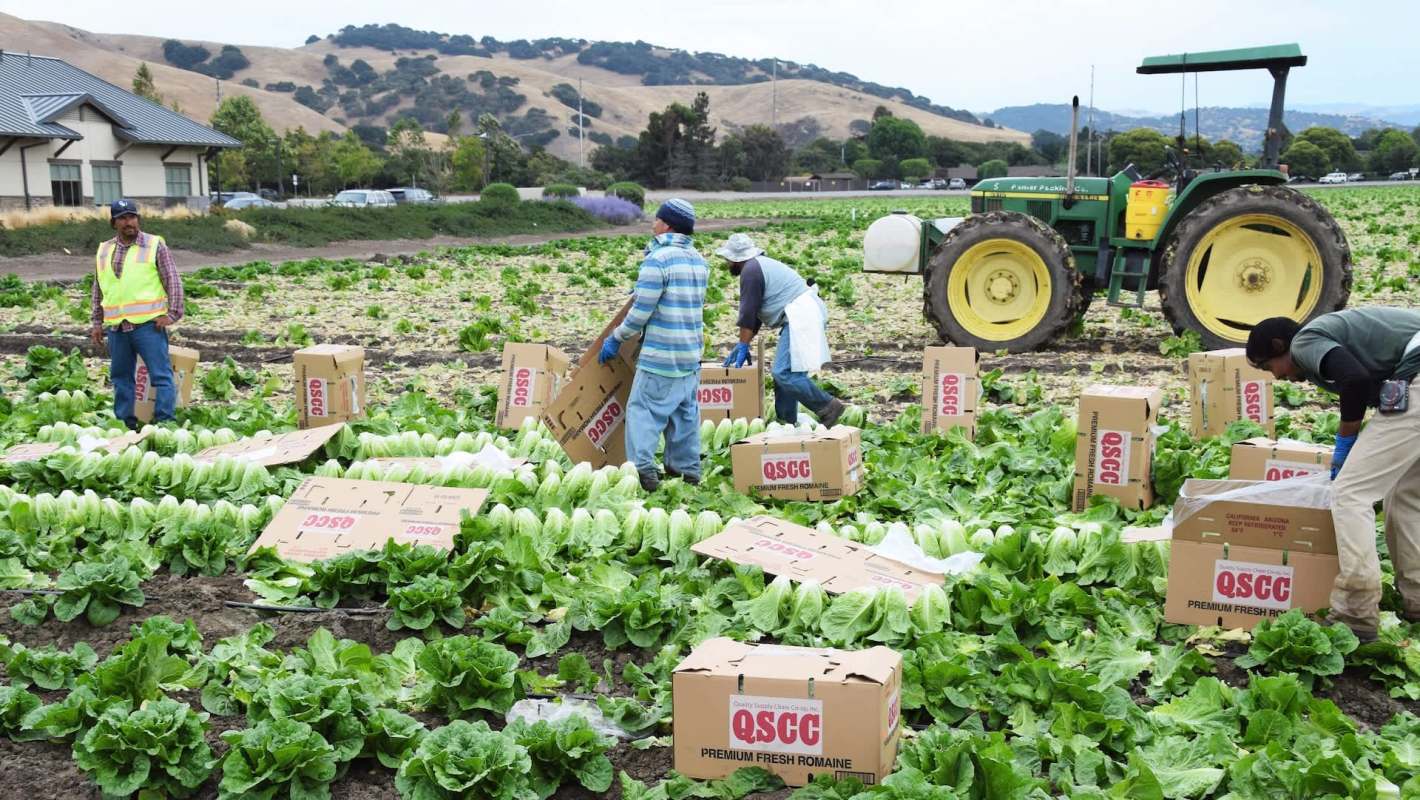
Solar energy could be the next cash crop for water-needy farmers in California's Central Valley.
Years of restrictions and droughts have forced the farmers to look skyward for opportunity on 136,000 acres of drying land as part of the Valley Clean Infrastructure Plan, according to Canary Media.
The project is earning buy-in from farmers who will invest in the work, as crucial approvals were earned late in 2025 to keep the project moving.
"The way we look at it is as a new crop. We're harvesting the sun and producing electricity," farmer Jeremy Hughes told Canary Media. Hughes is among a group of leaders in the Westlands Water District who are trying to decide how to work the land with decreasing water availability.
According to the U.S. Geological Survey, grapes, lettuce, tomatoes, and myriad other crops have long been staple harvests in an area that has produced one-fourth of the nation's food.
The electricity is also needed, as rates are widely reported to be increasing faster than inflation around the country, largely due to surges in data center power demand. Goldman Sachs analysts predicted a 175% spike in computer hub power by 2030.
TCD Picks » Quince Spotlight
💡These best-sellers from Quince deliver affordable, sustainable luxury for all




The district is working with Golden State Clean Energy to develop more than 20,000 megawatts of solar power and battery storage on an "accelerated" schedule that will take around a decade, according to a GSCE fact sheet.
Canary Media reported that about $1 billion in grid infrastructure will be needed. But planners estimated that the project could save ratepayers $9 billion by 2050. The developers are now working through the massive number of agreements and details needed for success.
They tout thousands of jobs, cleaner energy production that contributes to the state's sustainability goals, and a lifeline for farmers on drying land. Crucially, farmers can still use water from solar-leased land — allocated through rationing programs — to grow food on other acres.
"You're making the district more sustainable. And that just helps the grower, it helps the communities, it helps the farmworkers — everybody," farmer and district leader Jeff Fortune told Canary Media, adding that it's the largest project of its kind in the world.
|
Which of these savings plans for rooftop solar panels would be most appealing for you?
Click your choice to see results and earn rewards to spend on home upgrades. |
 Save $1,000 this year 💸
 Farmers around the country are increasingly adding solar farms to their land as part of symbiotic, mixed-use settings to harvest sunrays while producing food. In the Central Valley, these sunbeams could be the crop that sustains a historically robust farming region.
"People are struggling right now," Danny Garcia, a trucker who hauls produce from the region, told Canary Media. He is skeptical but hopes his hauling services will be tapped to help with solar farm construction. "There's many ways that people could work on solar."

Get TCD's free newsletters for easy tips, smart advice, and a chance to earn $5,000 toward home upgrades. To see more stories like this one, change your Google preferences here.






