


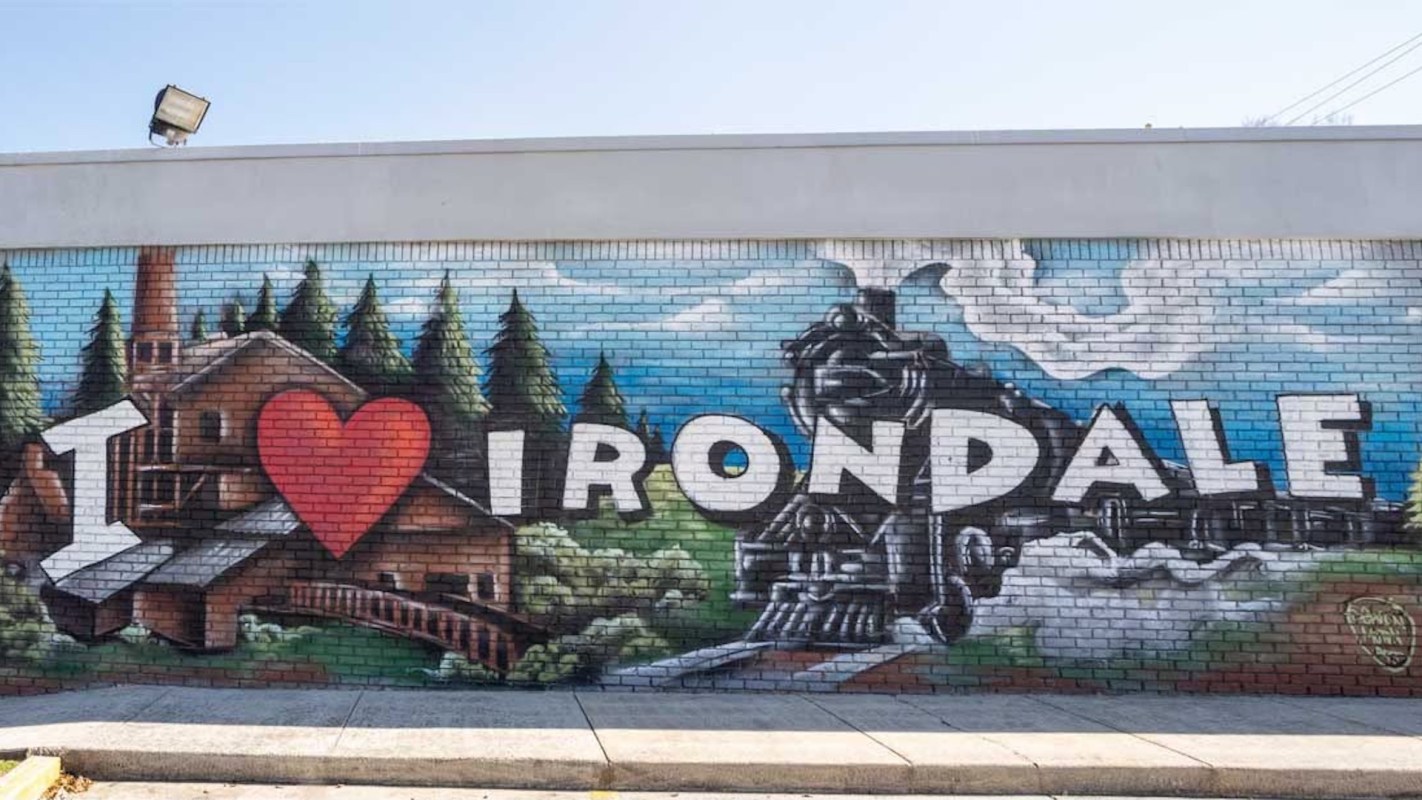
A small Alabama city's attempt at a tech-themed joke quickly grew into something much larger, prompting a public airing of concerns about artificial intelligence, data centers, and what those developments could mean for local communities.
Irondale briefly renamed its annual "I Love Irondale Day" festival to "AI Love Irondale Day," but residents and online commenters pushed back so strongly that city leaders soon reversed the change.
What happened?
According to NPR, Mayor James D. Stewart said in a Facebook post earlier this month that the city's summer festival would temporarily be renamed "AI Love Irondale Day."
The response was negative. Irondale is a city next to Birmingham that is widely known for the cafe connected to Fried Green Tomatoes, and the reaction from many residents came as part of a larger backlash over AI and the fast expansion of data centers.
Commenters were blunt in their objections. One person described AI as "absolutely garbage for the environment," while another dismissed the festival as an "AI slop event."
Stewart later explained that the name change was simply "a play on words" and clarified that the festival was not actually going to focus on AI or data centers.
TCD Picks » Quince Spotlight
💡These best-sellers from Quince deliver affordable, sustainable luxury for all




The city soon changed the name back to "I Love Irondale Day."
Nearby Bessemer is preparing for a multibillion-dollar data center development, and residents there have already been opposing it, NPR reported.
Why does it matter?
The backlash in Irondale reflects a broader battle playing out across the country as data centers expand rapidly, particularly in the South and Midwest.
A Gallup poll from March found that 70% of Americans object to data centers being constructed where they live, NPR reported.
Much of that resistance is tied to practical concerns, including noise, land use, water demand, and the enormous electricity consumption associated with large computing facilities. Those pressures can strain local power grids and potentially push utility costs higher.
At the festival, some locals still expressed concern. Resident Kathleen Haberstroh said, "My fear is all of the above," adding, "It just feels predatory."
Resident John Horton captured that frustration by calling data centers "a waste of space, resources, community."
While AI may support smarter energy use, it can also increase power and water consumption, raise concerns about security and misuse, and create financial and environmental burdens for nearby communities.
What's being done?
City councilmember Aaron Sims told NPR that he does not expect a major data center project to come to Irondale.
"We don't have 150 acres just sitting out there for a big hyperscale facility," he said.
Still, Sims said the city council is drafting rules in case a developer proposes a smaller project.
Not everyone in Irondale is opposed to the idea. Resident Amelia Fielder said she would welcome a data center if it brought jobs and dismissed the brief festival rebrand, saying, "Everything else is AI. Why not?" So far, most AI data centers only spark significant jobs during construction and then are so automated that they can be run with 20-30 staff members per 100 megawatts of power — and it stands to reason that advancements in AI and robotics could reduce that number further.
Horton, meanwhile, described why the debate feels so personal for some residents.
"I don't like data centers," he said. But he also explained what he values about the area itself: "I don't want to sound corny and say there's a certain magic to it … You have that sunset. I mean there's something beautiful about it."

Get TCD's free newsletters for easy tips, smart advice, and a chance to earn $5,000 toward home upgrades. To see more stories like this one, change your Google preferences here.






