


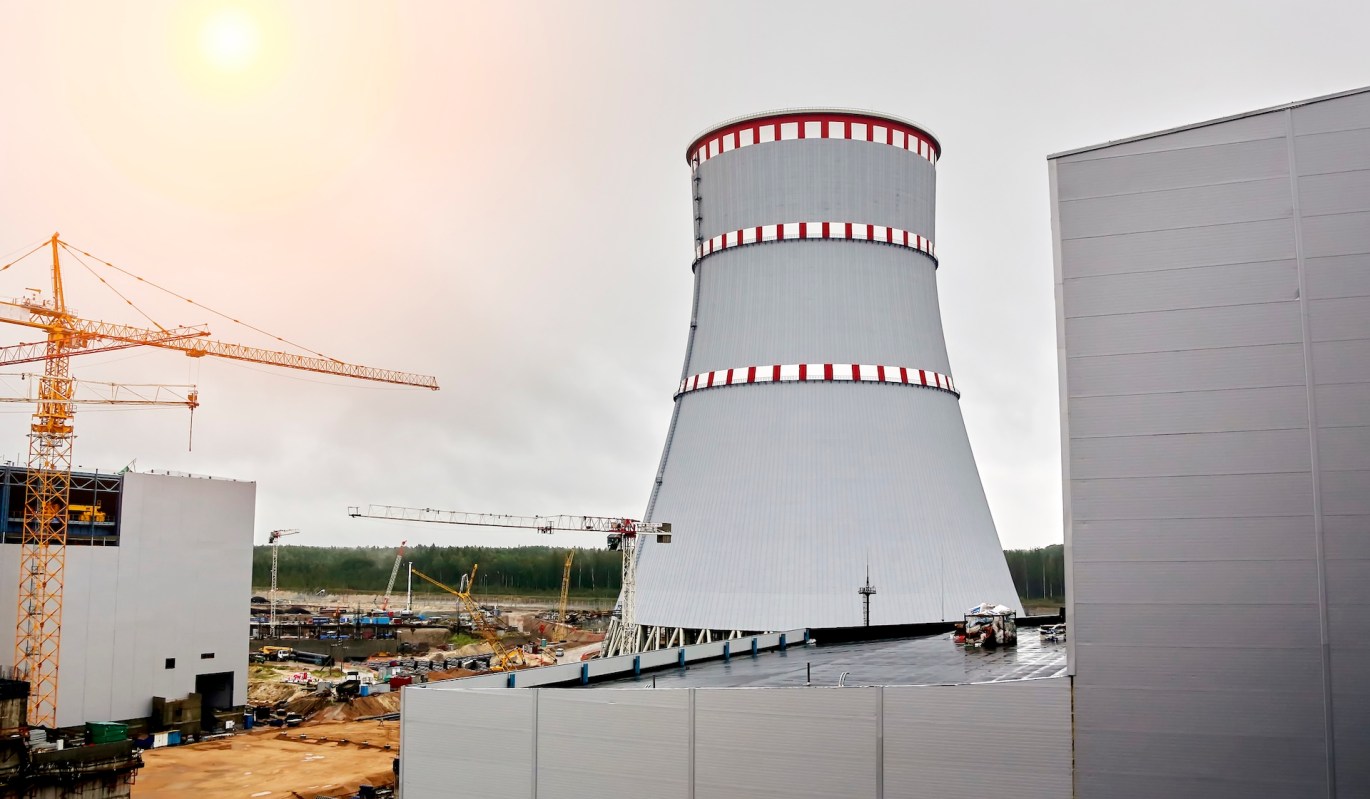
Ireland is openly revisiting nuclear power as it seeks to build a fossil-free electricity system, a notable shift for a country that has long kept the technology at arm's length.
As The Irish Times reported, the move does not mean reactors are imminent. It does, however, put nuclear back into official energy planning in a way that could shape policy for years to come.
Here's what to know
Nuclear power is among the options being assessed in a Sustainable Energy Authority of Ireland (SEAI) review of how Ireland could decarbonize its grid. SEAI is the government agency that advises on clean energy, and the analysis is expected to be submitted to the government.
Rather than casting an unlimited net, the decarbonized electricity system study works from a shortlist of 30 energy categories and technologies that could help Ireland reduce its dependence on fossil fuels.
Within that group, nuclear stayed in the mix while some other options, including wave energy, were left out, The Irish Times reported.
Officials are looking at both main nuclear routes in the study, including traditional large-scale reactors and small modular reactors, or SMRs, which remain an emerging technology, per the paper.
TCD Picks » Quince Spotlight
💡These best-sellers from Quince deliver affordable, sustainable luxury for all




The review may also use a Finnish plant that began operating in 2024 as a case study, according to The Irish Times.
More background
The paper noted Ireland has long resisted nuclear power, even as many countries revisit the technology amid volatile energy prices and growing pressure to cut pollution from electricity generation.
Nuclear's appeal is relatively straightforward. Reactors can generate large amounts of electricity with low planet-warming pollution once they are operating, and they can provide steady power when wind and solar output dips. For a country trying to phase out fossil fuels, nuclear can be an appealing backstop.
Still, the drawbacks are substantial. Nuclear projects are expensive to build, often take years to complete, and continue to raise concerns about radioactive waste, safety, and the broader risks associated with nuclear materials. Those trade-offs help explain why the issue remains politically sensitive.
In Ireland's case, the study does not amount to a decision to build reactors. Instead, it formally reopens the question as officials map out how the country could run a cleaner grid without relying on fossil fuels.
Dr. Barry Hayes, associate professor in electrical power systems at University College Cork, suggested to The Irish Times that the move makes sense for the country.
"I do think it's a good idea to properly look into it and find out what's right for Ireland," he told the paper.
What's being done?
The immediate next step is analytical, not construction-related. The SEAI is evaluating nuclear alongside dozens of other technologies to determine what role, if any, it could play in a low-carbon electricity mix.
According to The Irish Times, the results of that work will help shape a government white paper that Minister for Climate Darragh O'Brien is due to prepare by the end of 2027.
The paper also reported that bills in the works to rescind legislation forbidding nuclear generation in the country could emerge in the fall.
"Nuclear is something a lot of countries are looking at — or looking back into — so we should have our own assessment," Hayes told The Irish Times.

Get TCD's free newsletters for easy tips, smart advice, and a chance to earn $5,000 toward home upgrades. To see more stories like this one, change your Google preferences here.






