


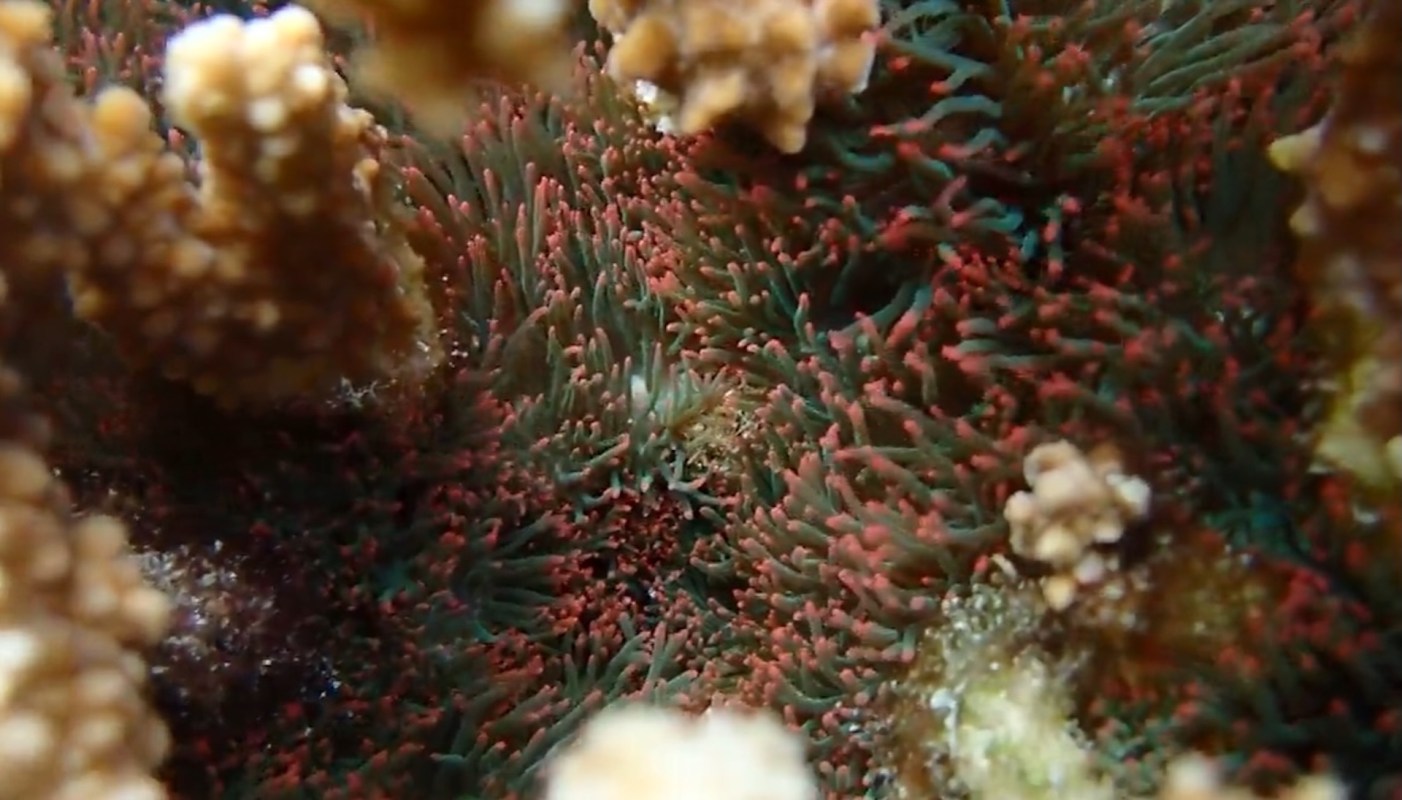
New footage from Hawaiʻi is offering a striking look at what reef rescue can involve, both on the surface and underwater.
In Kāneʻohe Bay, crews are deploying massive tarps, concentrated chlorine, and hundreds of sandbags in an effort to stop an invasive aquarium anemone from spreading across a vulnerable coral reef.
What happened?
According to the Hawaiʻi Department of Land and Natural Resources, the situation in Kāneʻohe Bay has prompted a large, coordinated response involving multiple agencies.
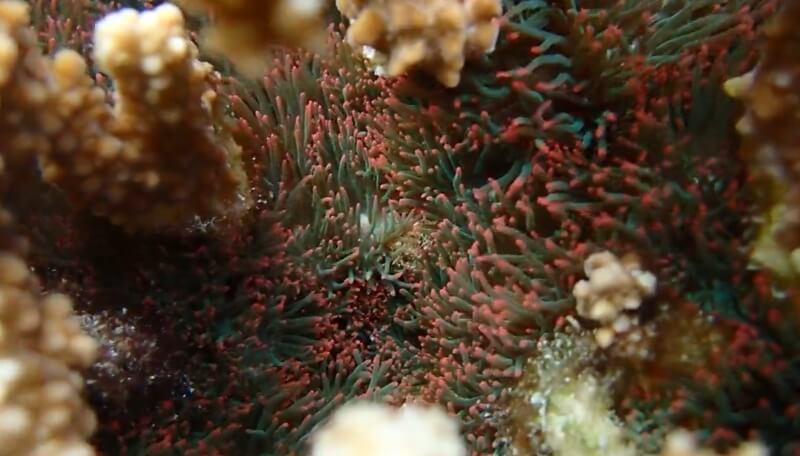
The target is the Manjano anemone, an invasive species that stays small but spreads quickly, clings to corals, and can turn broken-off pieces into entirely new adults.
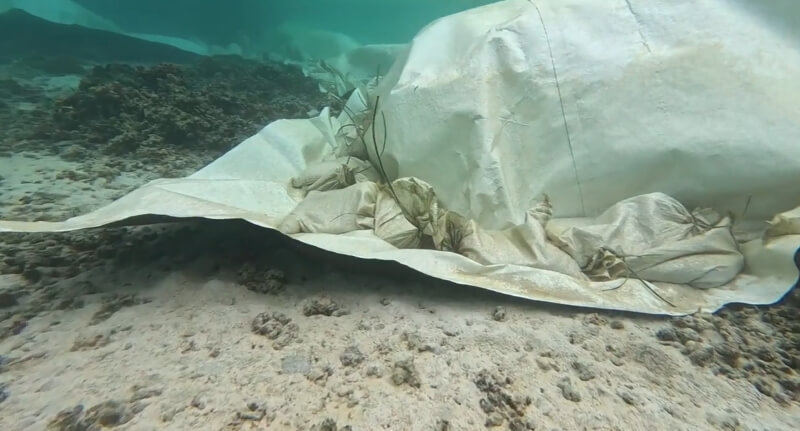
The work involves covering infested sections of reef with four impermeable tarps measuring about 40 by 60 feet, sealing the edges with 30-pound sandbags, and pumping concentrated chlorine underneath.
More than 600 sandbags have already been used as crews completed two of the three treatment zones, the DLNR reported.
TCD Picks » Quince Spotlight
💡These best-sellers from Quince deliver affordable, sustainable luxury for all




What began as an affected patch of roughly 300 square feet has since grown to about one-third of an acre, officials said.
The DLNR said the infestation was tied to a released aquarium species, and that local divers Gabby and Hiʻilei Kawelo first alerted DAR staff after spotting unusual coral growth in 2020.
Why does it matter?
DLNR considers the Manjano anemone a serious threat to Hawaiʻi's reef ecosystems because it can spread across corals, occupy gaps within the reef, and multiply in ways that make conventional removal especially risky.
Healthy reefs help support marine biodiversity, local fishing, tourism, and shoreline protection. When invasive species become established, the response can quickly become expensive, labor-intensive, and slow, making prevention far easier than reversal.
Monitoring is still underway, but crews say early inspections suggest the treatment is working without harming reefs outside the tarp footprint.
Aquatic biologist Jesse Boord emphasized that the response has been shaped by extensive community collaboration.
"This isn't a unilateral effort," he explained. "There has been significant collaboration and input from the Hawaiʻi Departments of Health and Agriculture and Biosecurity, the United States (U.S.) Environmental Protection Agency, U.S. Army Corps of Engineers, research partners and members of the Kāneʻohe Bay community through all steps of the process."
The DLNR also said Hawaiʻi continues to face environmental damage from released pets and other non-native species, while officials added that March storms may have brought nutrients that helped speed this outbreak.
Boord added, "We've had 20 aquarium-related responses in the last five years, a significant increase for the state."
"Raising community awareness about responsible pet ownership, the dangers of pet release and diligence around preventing the spread of invasives is something that DAR and our partners take seriously."

Get TCD's free newsletters for easy tips, smart advice, and a chance to earn $5,000 toward home upgrades. To see more stories like this one, change your Google preferences here.






